

Knob-billed Duck vs Red-headed Weaver
Sarkidiornis melanotos contro Anaplectes rubriceps
Fai un quiz con Knob-billed Duck e Red-headed Weaver
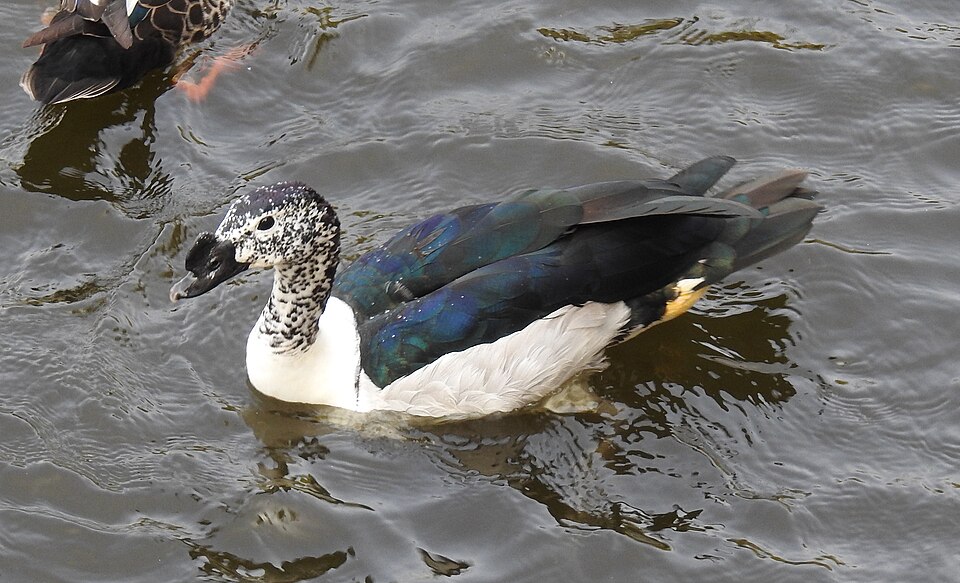 Knob-billed Duck
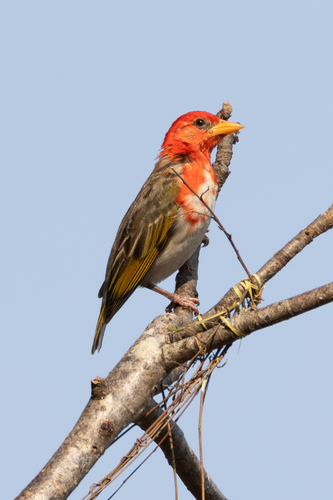 Red-headed Weaver
In breve
Il Knob-billed Duck è un'anatra acquatica massiccia e corpulenta con una testa bianca maculata e una parte superiore lucida e scura, mentre il Red-headed Weaver è un uccello canoro molto più piccolo e snello con un becco appuntito e, nei maschi, una testa rossa sorprendente. I giovani Knob-billed Ducks possono sembrare confusamente opachi e marroni, ma la loro taglia e le abitudini acquatiche sono inconfondibili rispetto al tessitore arboreo che caccia insetti. Se vedi un'anatra grande con un collo bianco e un dorso scuro, specialmente con un nodulo sul becco (maschio), è l'anatra; qualsiasi piccolo uccello che cerca cibo sugli alberi con una testa rossa o gialla è il tessitore. Il volo, l'habitat e la struttura generale sono i modi più rapidi per separare questi due.
Consigli di identificazione
- Size and Structure: Il Knob-billed Duck è enorme rispetto al Red-headed Weaver—se l'uccello è delle dimensioni di un'anatra o più grande, non può essere il tessitore. Anche un'anatra giovane sovrasta qualsiasi tessitore.
- Bill Shape: I Knob-billed Ducks hanno un becco largo e piatto; i maschi adulti hanno un grande nodulo nero. I Red-headed Weavers hanno un becco snello e appuntito, mai con un nodulo.
- Head Pattern (Adult Males): I maschi di Knob-billed Duck hanno una testa bianca con macchie scure e un prominente nodulo nero sul becco. I maschi di Red-headed Weaver (settentrionali) hanno una testa rossa vivida; le femmine meridionali hanno teste gialle. Nessun tessitore mostra una testa bianca maculata o un nodulo sul becco.
- Underparts: Le anatre adulte hanno parti inferiori e collo bianchi puri, in contrasto con la parte superiore lucida e scura. I tessitori hanno una pancia bianca ma sempre con una testa colorata (rossa, marrone o gialla) e ali marroni.
- Upperparts and Iridescence: La schiena e le ali dell'anatra sono blu-nerastre lucide con iridescenze verdastre e bluastre, specialmente sulle secondarie. Le ali del tessitore sono marroni semplici con alcuni accenti gialli nelle femmine meridionali.
- Juvenile/Immature Plumage: I giovani Knob-billed Ducks sono di un buff opaco sotto e marroni sopra, con una striscia oculare marrone, ma rimangono molto più grandi e pesanti di qualsiasi tessitore. I tessitori immaturi sono sempre piccoli, snelli e arborei.
- Habitat: Le anatre sono sempre vicino all'acqua—laghi, paludi, zone umide. I tessitori si trovano sugli alberi, nei cespugli o nei giardini, raramente vicino all'acqua aperta.
- Behavior: Le anatre nuotano, si immergono, pascolano e a volte si posano sugli alberi ma non vengono mai viste cercare cibo nel fogliame. I tessitori cercano attivamente cibo tra foglie e rami, spesso appesi a testa in giù o sondando la corteccia.
- Flight: Le anatre sono pesanti, con battiti d'ali lenti e potenti e ali larghe; i tessitori sono veloci, agili e svolazzanti, con ali corte e arrotondate.
- Voice: Le anatre sono per lo più silenziose, emettendo solo un basso gracidare quando spaventate. I tessitori possono cantare o chiamare, specialmente durante la stagione degli amori.
- Nesting: I nidi delle anatre sono in cavità degli alberi o in erba alta vicino all'acqua. I nidi dei tessitori sono sospesi, costruiti con rami, spesso con un lungo tunnel d'ingresso, e mai vicino all'acqua.
- Sexual Dimorphism: I maschi delle anatre sono molto più grandi delle femmine e hanno il nodulo sul becco; nei tessitori, i maschi sono più colorati (teste rosse o gialle), ma entrambi i sessi sono piccoli e snelli.
- Pitfalls: I giovani Knob-billed Ducks possono sembrare opachi e potrebbero essere scambiati per un altro grande uccello acquatico, ma mai per un piccolo tessitore arboreo. Nessuna età o sesso di tessitore somiglia a un'anatra in alcun contesto.
- Context: Se vedi un uccello in un gruppo su acqua aperta, è un'anatra. Se vedi un uccello che cerca cibo su un albero, specialmente a testa in giù, è un tessitore.
- Local Abundance: Entrambe le specie possono essere localmente comuni, ma i loro habitat non si sovrappongono mai strettamente—usa il contesto come un forte indizio.
Taglia
La dimensione è il separatore più immediato: il Knob-billed Duck è una delle anatre più grandi, con una massa corporea media di circa 1616 g e una lunghezza di 56–76 cm [wikidata, wikipedia]. Al contrario, il Red-headed Weaver è un piccolo passeriforme, molto più leggero e compatto (massa esatta non fornita ma tipica dei tessitori, cioè, <50 g). Anche i giovani Knob-billed Ducks sono enormemente più grandi di qualsiasi tessitore, e la loro massa è ovvia sia in volo che a riposo.
Piumaggio
I giovani e immaturi Knob-billed Ducks sono di un buff opaco sotto e sul viso e collo, con parti superiori marroni e una striscia oculare marrone, il che può farli sembrare superficialmente un grande uccello acquatico opaco. Tuttavia, mostrano sempre una struttura molto più grande e pesante e un corpo inferiore pallido, spesso biancastro, rispetto al tessitore. Gli adulti hanno una testa bianca con macchie scure, un collo e parti inferiori bianchi puri e parti superiori blu-nerastre lucide con secondarie iridescenti. I maschi hanno un prominente nodulo nero sul becco.
I maschi di Red-headed Weaver nel nord hanno una testa rossa vivida e una pancia bianca, con ali marroni; le femmine sono più opache, con teste marroni o giallastre (uccelli meridionali) e accenti gialli sulle ali. Il becco del tessitore è appuntito e snello, a differenza del becco largo dell'anatra. Nessuna età o sesso del tessitore somiglia mai a un'anatra in piumaggio o struttura. Ci sono alcune piccole differenze di razza nella pancia e nei bordi delle ali, ma queste non si sovrappongono all'aspetto dell'anatra.
In volo, l'anatra mostra ali larghe e un corpo pesante, mentre il tessitore è veloce e agile, con ali corte e arrotondate e un becco appuntito sempre visibile.
Comportamento
I Knob-billed Ducks vengono tipicamente visti nuotare o pascolare vicino all'acqua, a volte posandosi sugli alberi ma raramente lontano dalle zone umide. Sono spesso in gruppi, specialmente al di fuori della stagione degli amori, e possono essere silenziosi o emettere un basso gracidare quando spaventati. I Red-headed Weavers sono uccelli canori attivi e arborei, che cercano insetti su foglie, rami e corteccia, spesso appesi a testa in giù o sondando gruppi di foglie morte. Di solito sono solitari o in coppie, a volte in piccoli gruppi, e non nuotano né si immergono. Il loro nido è una struttura sospesa, costruita con rami, a volte con un lungo tunnel d'ingresso.
Habitat
I Knob-billed Ducks si trovano in zone umide tropicali e subtropicali, laghi e paludi in tutta l'Africa subsahariana, Madagascar e parti del Sud Asia e Indocina. Sono quasi sempre vicino all'acqua, specialmente acqua dolce aperta. I Red-headed Weavers abitano una vasta gamma di habitat boschivi in tutto l'Afrotropico, dagli alberi della savana a terreni cespugliosi e persino giardini, ma non sono associati all'acqua aperta. Se visti lontano dall'acqua, è quasi certamente il tessitore; se sull'acqua, l'anatra.
Voce
I Knob-billed Ducks sono per lo più silenziosi, con solo un basso gracidare quando spaventati. I Red-headed Weavers sono tipici uccelli canori e possono emettere una varietà di richiami e canti, sebbene le vocalizzazioni specifiche non siano dettagliate nelle note. Qualsiasi canto complesso o chiacchiericcio indica il tessitore.
Knob-billed Duck · Red-headed Weaver · I miei uccelli difficili