

Key West Quail-Dove vs Bridled Quail-Dove
Geotrygon chrysia contro Geotrygon mystacea
Fai un quiz con Key West Quail-Dove e Bridled Quail-Dove
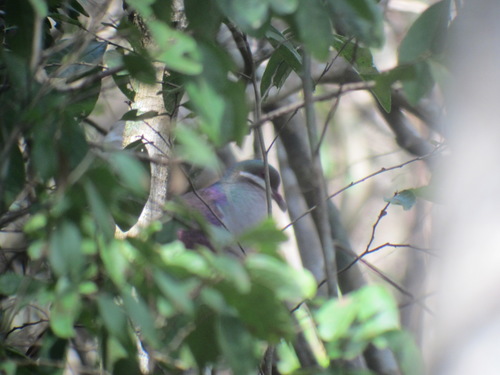 Key West Quail-Dove
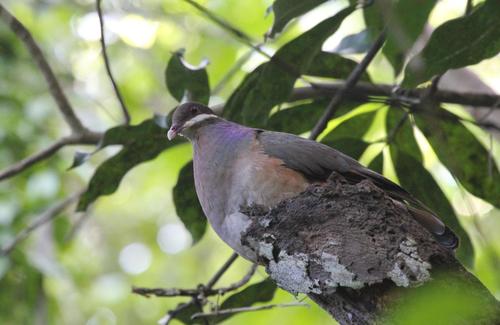 Bridled Quail-Dove
In breve
Il segno di campo più affidabile per separare il Key West Quail-Dove dal Bridled Quail-Dove è la colorazione generale: il Key West mostra un ricco dorso e ali di colore ruggine scuro con iridescenza rosso-porpora, mentre il Bridled è per lo più marrone con un'iridescenza meno intensa e un'ala ripiegata con sfumature di cannella. Entrambe le specie hanno una bold striscia facciale bianca, ma il Bridled Quail-Dove ha anche una piccola macchia bianca sulla gola e un ventre crema più contrastante. Sul campo, il Bridled appare notevolmente più robusto. Le piumature immature e adulte sono simili in entrambe, quindi concentrati sulla colorazione generale, l'iridescenza e la dimensione. Entrambe le specie possono essere confuse quando viste brevemente o in scarsa luce, ma prestare attenzione a queste differenze aiuterà a evitare confusione.
Consigli di identificazione
- Overall Coloration: Il Key West Quail-Dove è di colore ruggine scuro sul dorso e sulle ali, mentre il Bridled Quail-Dove è per lo più marrone. Questo è il segno di campo più immediato a tutte le età.
- Iridescence: Il Key West mostra iridescenza rosso-porpora sul mantello, dorso, coda e copritrici delle ali interne, e una lucentezza ametista o verde bronzo sulla corona e sul nape. I maschi Bridled hanno iridescenza verde-viola sulla testa, sul nape e sulla parte superiore del dorso, ma le femmine sono più opache. Se vedi toni rosso-porpora forti, favorisci il Key West; l'iridescenza verdastra o bluastra, specialmente sulla testa, suggerisce il Bridled (soprattutto i maschi).
- Facial Pattern: Entrambi hanno una bold striscia facciale bianca, ma solo il Bridled ha una piccola macchia bianca sulla gola. Cerca questa macchia sulla gola in buona luce.
- Belly Color: Il Bridled ha un ventre crema contrastante, mentre il Key West è più uniforme sotto. Se il ventre appare pallido, sospetta il Bridled.
- Folded Wing Markings: Il Bridled mostra un po' di cannella sull'ala ripiegata, che può essere un segno sottile ma utile se visto bene. Il Key West manca di questa caratteristica.
- Tail Color: Il Bridled ha una coda grigio-marrone scuro, che può contrastare con il resto della piumatura. La coda del Key West non è specificamente descritta ma è probabilmente meno contrastante.
- Size and Structure: Il Bridled è più pesante e robusto (211 g vs 169 g). Se l'uccello appare particolarmente robusto, è probabile che sia un Bridled.
- Sex Differences: I maschi Bridled sono più iridescenti delle femmine, ma entrambi i sessi sono più marroni del Key West. Non fare affidamento solo sull'iridescenza per determinare il sesso, ma nota che un Bridled molto opaco potrebbe essere una femmina.
- Age: Non ci sono segni distintivi giovanili o immaturi descritti per nessuna delle due specie; tutte le età sono meglio separate dalla colorazione generale e dall'iridescenza.
- Voice: Il Key West emette un lamento a tono singolo; se lo senti, supporta il Key West, ma il richiamo del Bridled non è descritto, quindi l'assenza di questo richiamo non conferma il Bridled.
- In-flight Views: Non ci sono segni unici sulle ali superiori o di volo notati per nessuna delle due specie, quindi fai affidamento sulla colorazione generale e sulla dimensione anche in volo.
- Lighting Pitfalls: In scarsa luce, entrambe possono apparire simili. Cerca di ottenere più angolazioni per valutare l'iridescenza e il colore del ventre.
- Facial Stripe: Entrambe le specie hanno una bold striscia facciale bianca, quindi non usare questo segno da solo per l'identificazione.
- Geographic Range: Entrambe sono specie caraibiche, e le note non specificano differenze di distribuzione, quindi non usare la posizione da sola per la separazione.
- Habitat and Behavior: Entrambe le specie condividono habitat simili e comportamenti terricoli; questi non sono affidabili per la separazione.
Taglia
Il Bridled Quail-Dove è significativamente più pesante, con una media di circa 211 g rispetto ai 169 g del Key West. Questa differenza di dimensione è spesso evidente sul campo, con il Bridled che appare più robusto e massiccio. Entrambi sono simili in lunghezza (Key West: 27–31 cm), ma la maggiore massa del Bridled gli conferisce un'impressione più tozza. Se visti insieme, il Bridled apparirà notevolmente più grande e robusto.
Piumaggio
- Juvenile/Immature/First-year: Non ci sono segni specifici per l'ala superiore o di volo descritti per nessuna delle due specie, quindi concentrati sulla colorazione generale e sull'iridescenza a tutte le età.
- Adults: Il Key West Quail-Dove ha un dorso e ali di colore ruggine scuro con iridescenza rosso-porpora, e una lucentezza ametista o verde bronzo sulla corona e sul nape. La sua striscia facciale bianca è bold, ma il resto del viso è relativamente semplice. Il Bridled Quail-Dove è per lo più marrone, con una bold striscia facciale bianca sotto l'occhio e una piccola macchia bianca sulla gola. Il maschio Bridled mostra iridescenza verde-viola sulla testa, sul nape e sulla parte superiore del dorso (meno nelle femmine), e l'ala ripiegata ha segni di cannella. Il ventre del Bridled è crema, in contrasto con le parti superiori più scure, mentre il Key West è più uniformemente colorato. La coda del Bridled è grigio-marrone scuro, non descritta per il Key West ma probabilmente meno contrastante.
Comportamento
Non ci sono differenze comportamentali distintive descritte tra queste due specie. Entrambi sono quail-doves terricoli con abitudini simili, quindi il comportamento da solo è improbabile che sia diagnostico sul campo.
Habitat
Non sono fornite differenze specifiche di habitat nelle note. Entrambe le specie si trovano nei Caraibi e possono sovrapporsi in habitat boschivi o cespugliosi simili. L'habitat non è un separatore affidabile basato sulle informazioni disponibili.
Voce
Il Key West Quail-Dove ha un richiamo lamentoso a tono singolo simile al White-tipped Dove. Non sono forniti dettagli sulla vocalizzazione per il Bridled Quail-Dove, quindi la voce non è un separatore affidabile basato sulle informazioni attuali.
Key West Quail-Dove · Bridled Quail-Dove · I miei uccelli difficili