

Japanese Sparrowhawk vs Brahminy Kite
Tachyspiza gularis contro Haliastur indus
Fai un quiz con Japanese Sparrowhawk e Brahminy Kite
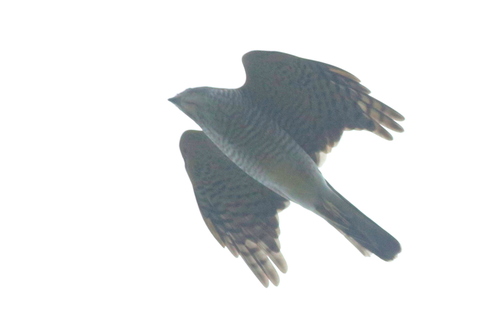 Japanese Sparrowhawk
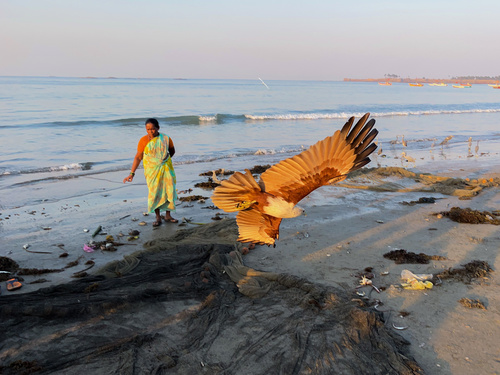 Brahminy Kite
In breve
Il modo più affidabile per separare il Japanese Sparrowhawk dal Brahminy Kite è attraverso la struttura generale e il contrasto del piumaggio: gli adulti del Brahminy Kite sono molto più grandi, con una testa bianca e un corpo castano molto evidenti, e volano con ali larghe e angolate e una coda arrotondata, mentre il Japanese Sparrowhawk è un rapace molto più piccolo e compatto con una coda corta e parti inferiori barrate. I Brahminy Kite juvenili sono marroni ma mostrano comunque una macchia sottoala pallida e squadrata e una coda arrotondata, a differenza del juvenile sparrowhawk striato, barrato e molto più piccolo. In volo o posato, la testa bianca e il corpo castano del kite sono unici, mentre il sparrowhawk mostra sempre una parte inferiore barrata e mai una testa bianca. La struttura, la dimensione e lo stile di volo sono importanti quanto il piumaggio, specialmente a distanza.
Consigli di identificazione
- Size is a major clue: Il Brahminy Kite è più di due volte la lunghezza e l'apertura alare del Japanese Sparrowhawk. Anche un Brahminy Kite distante apparirà molto più grande e con ali più larghe di qualsiasi sparrowhawk.
- Tail shape: Il Brahminy Kite ha sempre una coda arrotondata, mai intagliata o quadrata. Il Japanese Sparrowhawk ha una coda relativamente corta e quadrata con molte barre scure (tutte le età). Questo è particolarmente chiaro in volo.
- Head and underparts: L'adulto Brahminy Kite è unico con una testa e un petto bianchi puri che contrastano nettamente con il corpo e le ali castane. Nessun sparrowhawk di qualsiasi età o sesso mostra questo schema; tutti hanno parti inferiori barrate o striate e una testa scura con una striscia sulla gola.
- Juvenile contrast: Il juvenile Brahminy Kite è marrone complessivamente con una macchia sottoala pallida e squadrata e una coda arrotondata, privo delle striature nette, delle barre e del supercilium bianco del juvenile sparrowhawk. Il juvenile sparrowhawk è crema sotto con striature e macchie rosso-marroni, marrone scuro sopra, e mostra una nuca e un supercilium bianchi.
- Wing pattern in flight: Il Japanese Sparrowhawk (tutte le età) mostra sottoali e coda barrate; il Brahminy Kite (tutte le età) mostra ali castane uniformi con punte nere e una macchia sottoala pallida nei juvenili. Nessun sparrowhawk mostra una macchia carpal pallida o ali castane solide.
- Flight style: Il Brahminy Kite plana e scivola con le ali tenute in una 'V' poco profonda, spesso sopra l'acqua. Il Japanese Sparrowhawk vola con battiti d'ali rapidi e tremolanti e brevi scivolate, di solito in o vicino a boschi.
- Bill and legs: Il Japanese Sparrowhawk ha un becco piccolo e affilato e lunghe gambe gialle e sottili. Il Brahminy Kite ha un becco più pesante e gambe proporzionalmente più corte, ma questo è raramente diagnostico a distanza.
- Eye color: Gli sparrowhawk maschi adulti hanno occhi rosso-arancio, le femmine gialle, i juvenili marroni. Il colore degli occhi del Brahminy Kite non è distintivo sul campo.
- Perched posture: Il Brahminy Kite si posiziona eretto e massiccio, spesso in luoghi esposti. Il Japanese Sparrowhawk si posiziona più orizzontalmente, spesso in copertura.
- Habitat context: Il Brahminy Kite è quasi sempre vicino all'acqua—coste, estuari o grandi laghi. Il Japanese Sparrowhawk è un uccello di bosco, raramente visto sopra acque aperte.
- Voice: Il Japanese Sparrowhawk può emettere un richiamo chiacchierino 'kiki-kik-kik...' ma è di solito silenzioso. Il Brahminy Kite è per lo più silenzioso, con occasionali richiami simili a miagolii.
- Sexual dimorphism: Le femmine di sparrowhawk sono più grandi e marroni dei maschi, ma entrambi i sessi sono molto più piccoli del Brahminy Kite e non mostrano mai una testa bianca o un corpo castano.
- Confusion risk: A distanza, un juvenile Brahminy Kite potrebbe essere scambiato per un grande accipiter, ma la macchia sottoala pallida, la coda arrotondata e la mancanza di barre/strie sotto sono fondamentali. I juvenili del Japanese Sparrowhawk mostrano sempre parti inferiori striate e una coda affusolata e striata.
- Seasonal context: Entrambe le specie possono essere presenti in migrazione, ma l'habitat e la dimensione rimangono affidabili. Se non sei sicuro, usa una combinazione di dimensione, forma della coda e schema delle parti inferiori.
- When in doubt: Se vedi un piccolo rapace compatto con parti inferiori barrate e una coda corta e striata, è un Japanese Sparrowhawk. Se vedi un grande rapace con ali larghe, una testa bianca e un corpo castano, o un juvenile marrone con una macchia sottoala pallida e una coda arrotondata, è un Brahminy Kite.
Taglia
Il Brahminy Kite è sostanzialmente più grande: 45–51 cm di lunghezza, apertura alare 109–124 cm, e peso 320–673 g [wikipedia]. Il Japanese Sparrowhawk è molto più piccolo: 23–30 cm di lunghezza, apertura alare 46–58 cm, e peso 92–193 g (femmine all'estremità superiore) [wikipedia]. Anche una femmina di sparrowhawk è meno della metà della lunghezza e dell'apertura alare di un Brahminy Kite. Sul campo, il Brahminy Kite appare con ali larghe e corpo pesante, mentre il Japanese Sparrowhawk è compatto, con una coda corta e una struttura snella.
Piumaggio
Il juvenile Japanese Sparrowhawk è marrone scuro sopra, crema sotto con striature rosso-marroni sul petto, macchie sull'addome e barre sui lati, oltre a un supercilium e una nuca bianchi, e sottili barre sulla coda. Il juvenile Brahminy Kite è complessivamente marrone, più chiaro dei nibbio bruno, con una macchia sottoala carpal più chiara, ali più corte e una coda arrotondata; manca delle striature nette e delle barre del sparrowhawk e non mostra mai un supercilium bianco o una striscia sulla gola. Gli adulti maschi del Japanese Sparrowhawk sono scuri sopra, biancastri sotto con barre grigio-marroni e rufous fini, e un leggero lavaggio rufous sul petto; le femmine sono più marroni sopra, con barre marroni più pesanti sotto. Entrambi i sessi hanno una striscia sulla gola. L'adulto Brahminy Kite è inconfondibile: testa e petto bianchi, corpo e ali castani profondi, punte nere delle ali e coda arrotondata. Nessuna età o sesso di sparrowhawk mostra mai la testa bianca o il corpo castano del kite. In volo, il sparrowhawk mostra sottoali e coda barrate, mentre il Brahminy Kite mostra ali castane uniformi con punte nere e una testa bianca.
Comportamento
Il Brahminy Kite tipicamente plana con le ali tenute in una 'V' poco profonda, scivolando e circling sopra l'acqua o aree aperte, spesso nutrendosi. Il suo volo è leggero e simile a un kite, con battiti d'ali lenti e profondi e frequenti scivolate. Il Japanese Sparrowhawk è molto più agile e diretto, con battiti d'ali rapidi e tremolanti e brevi scivolate, spesso sfrecciando attraverso i boschi o facendo voli rapidi e bassi. Quando è posato, il Brahminy Kite appare grande e eretto, mentre il sparrowhawk è snello, con una postura più orizzontale.
Habitat
Il Brahminy Kite si trova quasi sempre vicino a coste, estuari o grandi zone umide interne, raramente avventurandosi lontano dall'acqua [wikipedia]. Il Japanese Sparrowhawk è una specie di bosco e margine forestale, nidificando e cacciando in aree boschive, e solo raramente visto vicino a grandi corpi d'acqua. Se vedi un rapace che plana sopra una pianura di marea o la foce di un fiume, è quasi certamente un Brahminy Kite; un piccolo rapace che sfreccia tra gli alberi è probabilmente un sparrowhawk.
Voce
Il Japanese Sparrowhawk occasionalmente emette un richiamo chiacchierino 'kiki-kik-kik...', specialmente in mostra o allerta [wikipedia]. Il Brahminy Kite è generalmente silenzioso ma può emettere un richiamo simile a un miagolio o un fischio, sebbene questo sia raramente diagnostico sul campo.
Japanese Sparrowhawk · Brahminy Kite · I miei uccelli difficili