

Inca Dove vs Common Ground Dove
Columbina inca contro Columbina passerina
Fai un quiz con Inca Dove e Common Ground Dove
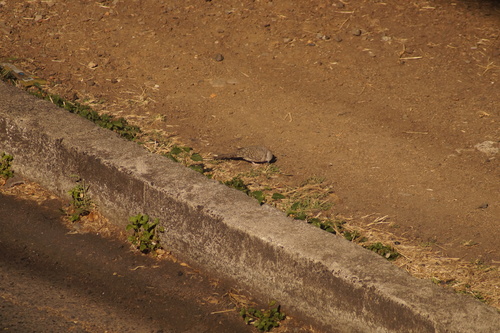 Inca Dove
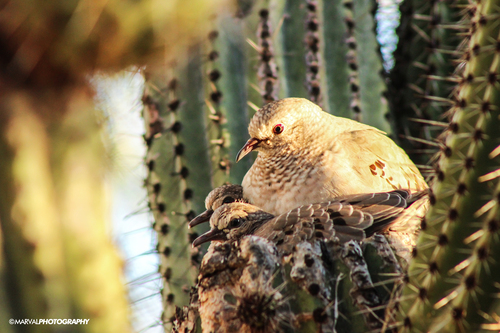 Common Ground Dove
In breve
Il segno distintivo più affidabile per separare l'Inca Dove dal Common Ground Dove è la coda: l'Inca Dove ha una coda lunga e a punta quadrata con bordi bianchi evidenti, mentre la coda del Common Ground Dove è molto corta e priva di bordi bianchi marcati. In volo, l'Inca Dove mostra ali inferiori rossastre e lati della coda bianchi, mentre il Common Ground Dove mostra castano nelle primarie e nei bordi delle ali, con una coda molto più corta. Entrambe le specie hanno schemi corporei squamati, ma l'Inca Dove è più snello e lungo nel complesso. Anche il colore del becco e il modello facciale aiutano: il Common Ground Dove ha un becco giallo con una punta nera e un volto rossastro, a differenza dell'Inca Dove dal volto semplice.
Consigli di identificazione
- Lunghezza e modello della coda: la coda dell'Inca Dove è lunga e a punta quadrata con bordi bianchi marcati, visibile sia in posizione per chiara che in volo. La coda del Common Ground Dove è molto corta, priva di bordi bianchi forti e simile nel colore al dorso. Questo è il segno distintivo migliore in tutte le età e stagioni.
- Segni di volo: l'Inca Dove mostra ali inferiori rossastre e lati della coda bianchi in volo. Il Common Ground Dove mostra castano nelle primarie e nei bordi delle ali, ma la sua coda rimane corta e semplice. Cerca questi contrasti quando gli uccelli si alzano in volo.
- Forma del corpo: l'Inca Dove è snello, allungato e appare con un collo più lungo, mentre il Common Ground Dove è compatto e rotondo. Questo è più evidente quando gli uccelli sono affiancati.
- Modello squamato: entrambe le specie hanno piumaggio dall'aspetto squamato, ma quello dell'Inca Dove è più esteso e regolare su tutto il corpo. La squamatura del Common Ground Dove è principalmente sulla testa e sul petto superiore, con il resto del corpo più marrone e meno patternizzato.
- Becco e faccia: il Common Ground Dove ha un becco giallo con una punta nera e piume rossastre attorno alla base. Il becco dell'Inca Dove è scuro e il suo volto è grigio-marrone semplice, privo di toni rossastri o gialli.
- Dimorfismo sessuale: solo il Common Ground Dove mostra chiare differenze sessuali: i maschi hanno corone grigio ardesia e pance grigio-rosate, le femmine sono più grigie e più uniformi. L'Inca Dove non mostra evidenti differenze sessuali.
- Copritrici delle ali e macchie: il Common Ground Dove ha copritrici e piume delle ali marroni con macchie nere, specialmente visibili da vicino. Le ali dell'Inca Dove sono grigio-marroni semplici con squamature ma senza macchie nere.
- Vocalizzazioni: se senti un grido ripetuto e con tono crescente, è il Common Ground Dove. Le vocalizzazioni dell'Inca Dove non sono descritte qui, quindi usa questo solo per confermare il Common Ground Dove.
- Comportamento: l'Inca Dove può essere visto in grandi gruppi o stormi, specialmente in inverno, formando a volte posatoi a forma di piramide. Il Common Ground Dove è di solito solitario o in piccoli gruppi.
- Suono di decollo: le ali dell'Inca Dove producono un rumore di rattling silenzioso al decollo, assente nel Common Ground Dove.
- Contesto dell'habitat: l'Inca Dove è più probabile trovarlo in ambienti urbani o suburbani, il Common Ground Dove in campi aperti e cespugli, ma entrambi possono sovrapporsi.
- Dimensioni: l'Inca Dove è più grande e più allungato, ma fai attenzione alla sovrapposizione e usa in combinazione con altri segni.
- Variazione delle sottospecie: il Common Ground Dove mostra differenze di piumaggio regionali, ma queste non si sovrappongono ai segni dell'Inca Dove. Concentrati su coda, volo e becco per la separazione.
- Trappole: da lontano, entrambi possono apparire squamati e marroni. Controlla sempre la lunghezza e il bordo della coda, i segni di volo e il colore del becco per conferma.
- Età/stagione: non sono descritti modelli unici di ali superiori giovanili per nessuna delle due specie, quindi usa i segni degli adulti per tutte le età.
Taglia
L'Inca Dove è notevolmente più grande e più allungato: 16,5–23 cm di lunghezza, 30–58 g e un'apertura alare di 28,5–32 cm [wikipedia][avonet]. Il Common Ground Dove è il più piccolo piccione negli Stati Uniti, con 15–18 cm, 26–40 g e un'apertura alare di 27 cm [wikipedia][avonet]. La coda più lunga e la struttura più snella dell'Inca Dove accentuano questa differenza di dimensioni, specialmente quando i due sono visti insieme. Tuttavia, la sovrapposizione in lunghezza e massa significa che la dimensione da sola non è sempre diagnostica a distanza.
Piumaggio
- Volo giovanile/immaturo: non sono descritti modelli unici di ali superiori giovanili per nessuna delle due specie, ma i segni di volo sono critici. L'Inca Dove di tutte le età mostra ali inferiori rossastre e bordi bianchi prominenti della coda che si allargano in volo. Il Common Ground Dove di tutte le età mostra castano nelle primarie e nei bordi delle ali, ma la sua coda è corta e priva di bordi bianchi forti.
- In posizione: entrambe le specie hanno piumaggio corporeo dall'aspetto squamato, ma la squamatura dell'Inca Dove è più estesa e regolare su tutto il corpo, mentre il Common Ground Dove ce l'ha principalmente sulla testa e sul petto superiore. Il dorso e le ali del Common Ground Dove sono marroni con macchie nere, e il volto è rossastro con un becco giallo e nero. L'Inca Dove è grigio-marrone nel complesso, con un volto semplice e un becco scuro.
- Variazione sessuale/di età: i maschi del Common Ground Dove hanno corone grigio ardesia e pance grigio-rosate, mentre le femmine sono più grigie e più uniformi. L'Inca Dove mostra poco dimorfismo sessuale.
- Coda: la coda dell'Inca Dove è lunga, a punta quadrata e bordata di bianco; la coda del Common Ground Dove è molto corta e simile nel colore al dorso, priva di bordi bianchi marcati.
Comportamento
Entrambe le specie trascorrono molto tempo a terra, ma l'Inca Dove è più probabile che venga visto in gruppi comunitari durante l'inverno, formando gruppi a forma di piramide per il calore. L'Inca Dove spesso si riunisce al di fuori del suo territorio, a volte in gruppi fino a 100. Il Common Ground Dove è più solitario o in piccoli gruppi, raramente formando grandi stormi. Il decollo dell'Inca Dove è accompagnato da un silenzioso rumore di rattling delle ali, mentre il volo del Common Ground Dove è silenzioso.
Habitat
Entrambe le specie si sovrappongono nel sud degli Stati Uniti e in Messico, ma il Common Ground Dove ha un'area di distribuzione più ampia nei Caraibi e nel nord del Sud America. L'Inca Dove è più probabile trovarlo in habitat urbani, suburbani e aperti e secchi, mentre il Common Ground Dove predilige terreni aperti, campi e cespugli. L'habitat non è sempre diagnostico a causa della sovrapposizione, ma l'Inca Dove è più probabile trovarlo in aree costruite.
Voce
Il Common Ground Dove emette una serie di grida morbide e con tono crescente, spesso ripetute e distintive. Le vocalizzazioni dell'Inca Dove non sono descritte nelle note fornite, quindi la voce è solo diagnostica se si sente il richiamo del Common Ground Dove.