

Herring Gull vs Zafferano
Larus argentatus contro Larus fuscus
Fai un quiz con Herring Gull e Zafferano
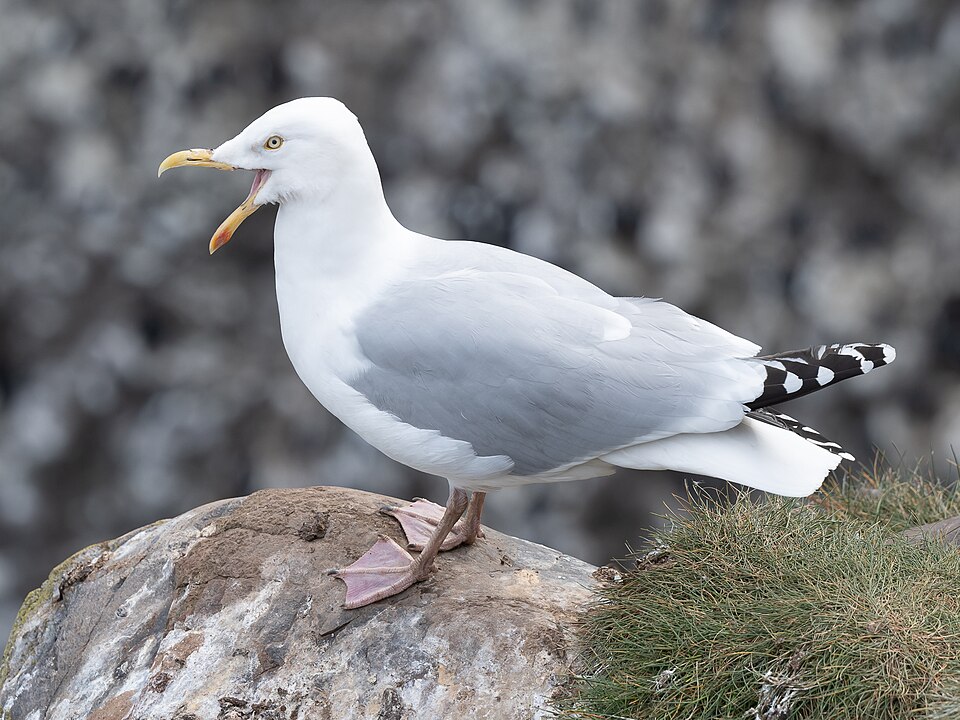 Herring Gull
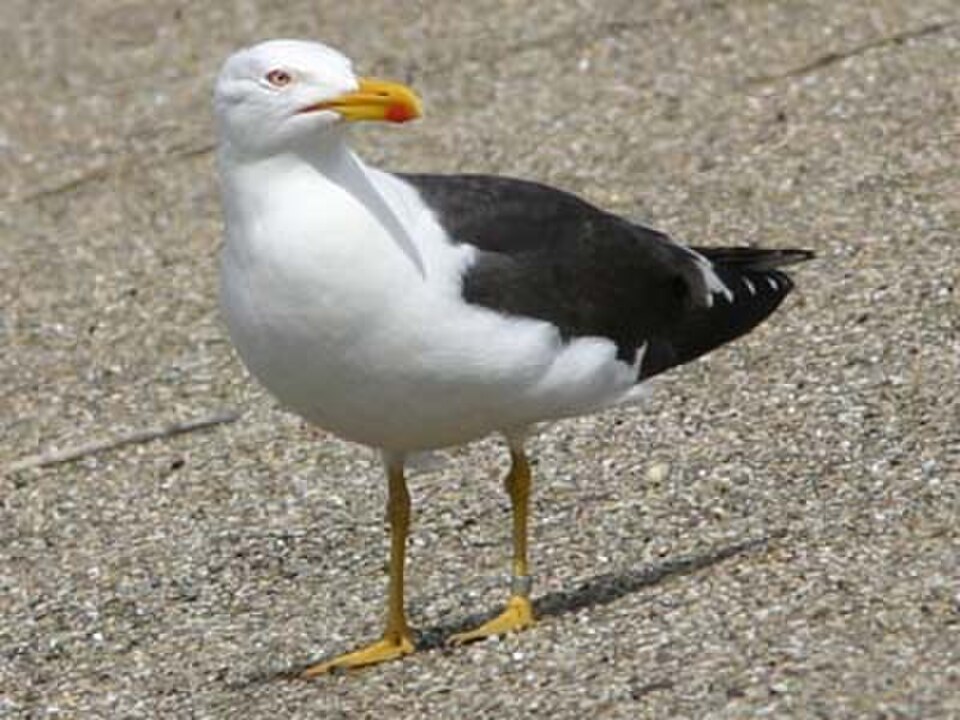 Zafferano
In breve
Il segno di campo più affidabile per separare Herring Gull da Zafferano è il colore delle parti superiori negli adulti: Herring Gull ha un dorso e ali grigio chiaro, mentre Zafferano mostra un dorso e ali di un grigio ardesia più scuro fino al nero. Il colore delle gambe è anche critico: gli Herring Gull di solito hanno gambe rosa, mentre gli Zafferano hanno gambe gialle. Per i giovani e gli immaturi, controlla il modello delle terziali: Zafferano mostra terziali più solidamente scure (senza barre), mentre i giovani Herring Gull sono più striati e patterned nel complesso. Entrambe le specie possono essere simili in dimensioni e struttura, ma Herring Gull è generalmente più robusto. Queste differenze sono visibili sia quando gli uccelli sono posati che in volo, ma sono particolarmente utili quando si osservano stormi misti.
Consigli di identificazione
- Adult upperpart color: Herring Gull ha parti superiori grigio chiaro; Zafferano è decisamente più scuro (grigio ardesia fino al nero). Questo è il segno più affidabile per gli adulti in tutte le stagioni.
- Leg color: Herring Gull di solito ha gambe rosa (possono essere giallastre in alcuni uccelli del Baltico), mentre Zafferano ha gambe gialle. Controlla sempre il colore delle gambe in buona luce, ma fai attenzione a gambe macchiate di fango o in ombra.
- Juvenile tertials: I giovani Zafferano hanno terziali solidamente scure, senza barre; gli Herring Gull sono più striati e patterned. Questo è più utile negli uccelli di primo anno.
- Head and underpart streaking (juveniles/immatures): Gli Herring Gull sono più pesantemente striati e maculati nel complesso; gli Zafferano appaiono più puliti e più squamosi sopra.
- Bill structure: Entrambi hanno becchi gialli con una macchia rossa da adulti, ma il becco di Herring Gull è spesso più robusto e lungo, specialmente nei maschi. Non sempre affidabile a meno che gli uccelli non siano affiancati.
- Wingtip 'mirrors': Entrambe le specie hanno macchie bianche alle punte delle ali, ma queste sono più piccole nello Zafferano. Questo è sottile e meglio utilizzato in viste ravvicinate degli adulti.
- Winter head pattern: Gli Herring Gull non in riproduzione mostrano striature marroni sulla testa e sul collo; gli Zafferano hanno una testa più grigia e meno striata.
- Size and structure: Herring Gull è più robusto e pesante, con un torace più ampio e un collo più spesso. Zafferano è più snello e più aggraziato, ma la sovrapposizione delle dimensioni è considerevole.
- Eye color: Entrambe le specie hanno occhi chiari da adulti, ma l'occhio chiaro di Herring Gull è spesso più evidente a causa dell'anello orbitale giallo nudo a contrasto. Non sempre visibile sul campo.
- Primary projection: Non specificamente descritto nelle note, ma gli Zafferano mostrano spesso una proiezione primaria più lunga oltre la coda, dando un aspetto più affusolato in volo e a riposo.
- Flight jizz: Gli Herring Gull appaiono più pesanti e più ponderosi in volo; gli Zafferano sono più agili e leggeri. Utile con l'esperienza, ma non un separatore primario.
- Habitat context: Dove entrambe si trovano, gli Herring Gull possono essere più comuni nell'entroterra e nei siti di rifiuti; gli Zafferano sono più migratori e spesso si trovano in habitat costieri o aperti durante la migrazione.
- Age progression: Entrambe le specie impiegano quattro anni per raggiungere il piumaggio adulto. Usa la combinazione di colore delle parti superiori, modello delle terziali e colore delle gambe a ogni età per i migliori risultati.
- Mixed flocks: Confronta sempre più individui in un gruppo: le differenze relative nel colore del mantello e delle gambe sono più evidenti quando entrambe le specie sono insieme.
- Baltic Herring Gulls: Alcuni Herring Gull nel Baltico hanno gambe giallastre, il che può causare confusione. In questi casi, fai più affidamento sul colore e sulla struttura del mantello.
Taglia
Entrambe le specie sono gabbiani grandi, ma Herring Gull è generalmente più grande e pesante. Gli Herring Gull adulti raggiungono fino a 66 cm di lunghezza e possono pesare oltre 1.000 g, mentre gli Zafferano pesano in media circa 817 g (con un intervallo fino a 1.100 g) e sono leggermente più corti, fino a 64 cm. Gli Herring Gull hanno una costruzione più ampia e robusta, particolarmente evidente in un confronto diretto. Le misure della corda dell'ala, del becco e del tarso si sovrappongono, ma tendono ad essere leggermente più lunghe negli Herring Gull. Sul campo, la dimensione da sola non è affidabile a meno che gli uccelli non siano affiancati.
Piumaggio
I giovani e gli uccelli di primo inverno sono meglio separati dalle terziali: gli Zafferano hanno terziali più solidamente scure, senza barre, mentre gli Herring Gull sono più striati e patterned nel complesso. Entrambe le specie sono marroni nel piumaggio giovanile, ma Herring Gull è più pesantemente striato e maculato, specialmente sulla testa e sulle parti inferiori. Nel secondo inverno, gli Herring Gull sviluppano una testa e parti inferiori più chiare con meno striature, e il dorso diventa grigio; gli Zafferano diventano anch'essi più grigi ma mantengono un mantello più scuro. Gli adulti sono chiari: gli Herring Gull hanno parti superiori grigio chiaro, gambe rosa (a volte giallastre negli uccelli del Baltico) e un becco giallo con una macchia rossa; gli Zafferano hanno parti superiori di un grigio ardesia scuro fino al nero, gambe gialle e un becco giallo con una macchia rossa. Entrambi hanno 'specchi' bianchi sulle punte delle ali, ma questi sono più piccoli nello Zafferano. In inverno, gli Herring Gull mostrano più striature sulla testa e sul collo, mentre gli Zafferano hanno una testa più grigia.
Comportamento
Entrambe le specie sono onnivore e opportunistiche, spesso viste a cercare cibo in discariche, coste e aree urbane. Gli Herring Gull sono particolarmente noti per il loro comportamento più robusto e assertivo, e sono più propensi a essere visti rubare cibo ad altri uccelli o umani. Gli Zafferano sono agili e possono apparire più aggraziati in volo, ma entrambe le specie si sovrappongono nelle abitudini alimentari e nel comportamento generale. Le differenze comportamentali sono sottili e raramente diagnostiche senza indizi di piumaggio o struttura a supporto.
Habitat
Entrambe le specie nidificano e si nutrono lungo le coste, gli estuari e sempre più in ambienti urbani. Gli Herring Gull sono più propensi a essere residenti permanenti nel nord e nell'ovest dell'Europa, mentre gli Zafferano sono più migratori, svernando più a sud in Africa. In stormi misti, entrambe possono essere trovate insieme, ma gli Herring Gull possono essere più comuni nell'entroterra o nei siti di rifiuti in alcune regioni. L'habitat da solo non è un separatore affidabile dove gli areali si sovrappongono.