

Tordo di Pallas vs Wood Thrush
Catharus guttatus contro Hylocichla mustelina
Fai un quiz con Tordo di Pallas e Wood Thrush
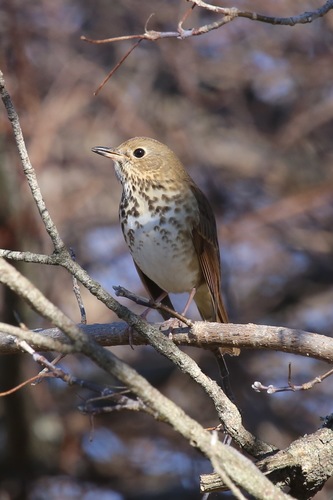 Tordo di Pallas
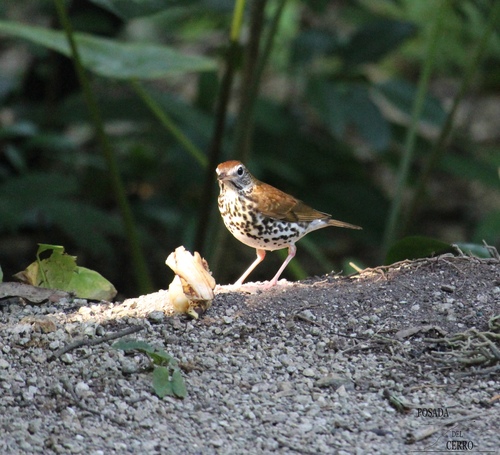 Wood Thrush
In breve
Il segno di campo più affidabile per separare il Tordo di Pallas dal Wood Thrush è la dimensione e la maculatura: il Wood Thrush è notevolmente più grande e pesante, con macchie scure, rotonde e audaci che si estendono bene sui fianchi e sui lati, mentre il Tordo di Pallas è più piccolo e snello, con macchie sul petto più fini e più ristrette e fianchi più semplici. Il Tordo di Pallas mostra anche una coda rossastra contrastante, specialmente quando viene scossa, e una postura più compatta e verticale. I giovani del Wood Thrush hanno macchie extra sulle parti superiori, ma entrambe le specie mostrano anelli oculari bianchi e zampe rossastre, quindi quelle caratteristiche da sole non sono diagnostiche. In volo, entrambe mostrano il modello di sottovolo di tipo Catharus, ma la massa e l'apertura alare del Wood Thrush si distinguono. Ascolta il canto solo se l'uccello sta cantando, poiché entrambi hanno bellissimi canti simili a flauti ma con strutture diverse.
Consigli di identificazione
- Dimensione e struttura: Il Wood Thrush è molto più grande e massiccio del Tordo di Pallas. Se l'uccello sembra quasi delle dimensioni di un pettirosso, è probabile che sia un Wood Thrush; il Tordo di Pallas è più piccolo e più snello.
- Schema di maculatura: Il Wood Thrush ha macchie scure, rotonde e audaci che si estendono dal petto ai lati e ai fianchi, creando un aspetto fortemente maculato. Il Tordo di Pallas ha macchie più fini e ordinate, per lo più confinate alla parte superiore del petto, con il ventre e i fianchi molto più semplici.
- Colore della coda: Il Tordo di Pallas mostra una coda rossastra o rufosa contrastante, specialmente quando l'uccello scuote la coda verso il basso e poi la solleva lentamente. La coda del Wood Thrush è marrone, abbinata alle ali e alla schiena, e non presenta contrasto.
- Colore delle parti superiori: Il Wood Thrush ha una corona e una parte superiore della schiena di un caldo marrone cannella, con il resto delle parti superiori di un marrone più opaco. Il Tordo di Pallas è più uniformemente marrone sopra, con gli uccelli orientali di un marrone oliva e quelli occidentali di un marrone grigio, ma sempre con una coda rufosa.
- Anello oculare: Entrambe le specie hanno anelli oculari bianchi, ma quello del Tordo di Pallas è spesso più nettamente definito. Questo non è un segno affidabile da solo, poiché entrambi lo mostrano.
- Becco: Il Wood Thrush ha un becco leggermente più lungo e pesante, ma questo è sottile e non sempre utile sul campo.
- Colore delle zampe: Entrambi hanno zampe rossastre, quindi questo non è utile per la separazione.
- Piumaggio giovanile: I giovani Wood Thrush hanno macchie scure extra sulla schiena, sul collo e sulle copritrici delle ali, che il Tordo di Pallas non mostra mai. Se vedi un tordo con macchie dorsali, è un giovane Wood Thrush.
- Comportamento: Il Tordo di Pallas spesso scuote la sua coda rossastra verso il basso e poi la solleva lentamente—un comportamento classico non mostrato dal Wood Thrush. Il Wood Thrush tende a saltellare a terra, girando le foglie, ed è meno probabile che scuota la coda.
- Postura: Il Tordo di Pallas appare spesso più eretto e all'erta, mentre il Wood Thrush è più massiccio e si siede più orizzontalmente.
- Habitat: In foreste dense, mature e umide, specialmente nell'Est, è più probabile trovare il Wood Thrush. In boschi più aperti, foreste di conifere o habitat di margine, è più probabile trovare il Tordo di Pallas, specialmente durante la migrazione.
- Volo: Entrambi mostrano il modello di sottovolo di tipo Catharus, ma la dimensione maggiore e le ali più larghe del Wood Thrush sono evidenti in volo. Non ci sono segni di volo unici che li separano.
- Canto: Il canto del Tordo di Pallas è etereo, con una nota singola seguita da frasi discendenti a diverse altezze. Il canto del Wood Thrush è più ricco, più ritmico e meno arioso. Usa il canto solo se sei sicuro delle differenze.
- Stagione: Entrambe le specie sono migratorie, ma il Tordo di Pallas è più probabile che venga incontrato in una gamma più ampia di habitat durante la migrazione e l'inverno. Il Wood Thrush è più legato a foreste mature durante la stagione della riproduzione.
- Trappole: Non fare affidamento solo sull'anello oculare o sul colore delle zampe, poiché entrambi condividono queste caratteristiche. Lo schema di maculatura, il colore della coda e la dimensione sono i segni di campo più affidabili.
Taglia
Il Wood Thrush è nettamente più grande del Tordo di Pallas in ogni dimensione: 18–21,5 cm di lunghezza (vs. 15–18 cm), apertura alare 30–40 cm (vs. 25–30 cm) e massa 48–72 g (vs. 18–37 g). Questa differenza è solitamente ovvia in un confronto diretto o con esperienza, ma può essere sottile se vista da sola. Il Wood Thrush appare più massiccio e robusto, con un torace più profondo e un becco più pesante, mentre il Tordo di Pallas appare più compatto e snello. La corda dell'ala e il tarso si sovrappongono, ma il Wood Thrush è mediamente più lungo in entrambi.
Piumaggio
- Uccelli giovanili/immaturi: I giovani Wood Thrush hanno macchie audaci aggiuntive sulla schiena, sul collo e sulle copritrici delle ali, che il Tordo di Pallas non mostra mai a nessuna età. I giovani Tordo di Pallas assomigliano agli adulti ma mancano di queste macchie dorsali extra.
- Adulti: Il Tordo di Pallas è marrone sopra con una coda rossastra distintiva (specialmente evidente quando viene scossa), parti inferiori bianche con macchie scure fini e ordinate sul petto, e fianchi più semplici, grigi o marroni. Il Wood Thrush ha una corona e una parte superiore della schiena di un ricco marrone cannella, ali e coda di un marrone più opaco, e parti inferiori bianche con grandi macchie rotonde scure che si estendono dal petto bene sui lati e fianchi. Entrambi hanno anelli oculari bianchi e zampe rosa, ma l'anello oculare del Tordo di Pallas è spesso più nettamente definito. I Tordi di Pallas orientali sono più marrone oliva sopra, gli uccelli occidentali più marrone grigio, ma la coda rossastra è sempre presente.
- In volo: Entrambi mostrano il modello di sottovolo bianco-nero-bianco di tipo Catharus, ma questo non è diagnostico tra questi due. La dimensione maggiore e le ali più larghe del Wood Thrush sono più evidenti in volo.
Comportamento
Il Wood Thrush è tipicamente solitario e cerca cibo principalmente sul pavimento della foresta, girando le foglie per trovare insetti, e spesso salta nella lettiera di foglie o su terreno nudo. Il Tordo di Pallas è anch'esso solitario ma può apparire più eretto e all'erta, spesso scuotendo la sua coda rossastra verso il basso e poi sollevandola lentamente—un comportamento classico. Entrambi possono essere visti cercare cibo a terra, ma il Tordo di Pallas può anche essere trovato appollaiato a livelli medi o su rami più bassi, facendo pause tra le sessioni di foraggiamento. Il Wood Thrush può difendere i territori di alimentazione invernale e può essere aggressivo nella difesa del nido, mostrando scosse di ali e coda o addirittura attacchi.
Habitat
Il Wood Thrush preferisce foreste mature, umide, decidue o miste con un sottobosco denso, spesso in tratti più ampi di foresta. Il Tordo di Pallas è più flessibile, trovato in una varietà di tipi di bosco, comprese foreste di conifere, miste e decidue, ed è più probabile che venga visto in habitat di margine o sottobosco aperto. Durante la migrazione, il Tordo di Pallas può verificarsi in una gamma più ampia di habitat boschivi, mentre il Wood Thrush tende a rimanere in foreste mature e dense anche durante la migrazione.
Voce
Entrambe le specie sono famose per i loro bellissimi canti simili a flauti, ma la struttura differisce. Il canto del Tordo di Pallas inizia con una chiara nota introduttiva seguita da diverse frasi musicali eteree e discendenti, spesso in una tonalità minore e ripetute a diverse altezze. Il canto del Wood Thrush è anch'esso melodioso e simile a un flauto, ma consiste tipicamente in una serie di frasi ricche e chiare con una qualità più ritmica e meno eterea. Entrambi cantano da posatoi alti e aperti, ma il canto da solo non è sempre diagnostico a meno che tu non sia molto familiare con entrambi.