
Poiana di Harris vs White-tailed Hawk
Parabuteo unicinctus contro Geranoaetus albicaudatus
Fai un quiz con Poiana di Harris e White-tailed Hawk
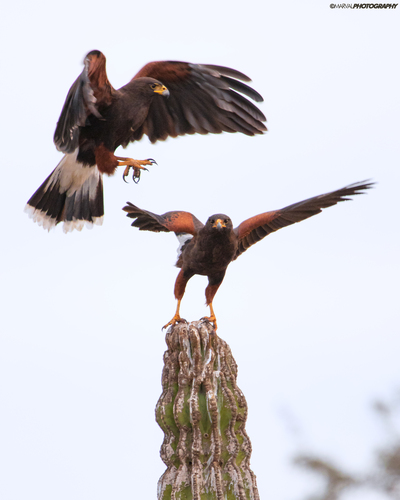 Poiana di Harris
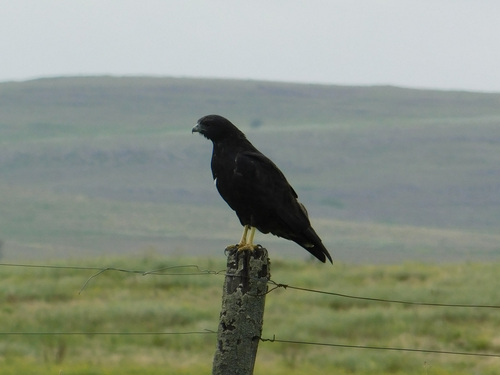 White-tailed Hawk
In breve
Il segno di campo più affidabile tra la Poiana di Harris e la White-tailed Hawk è il modello delle ali e della coda in volo, specialmente negli uccelli immaturi. Le Poiane di Harris juvenile mostrano ali inferiori color crema, striate, con un pannello chiaro sulle primarie e una base e una punta della coda bianche e larghe, mentre le White-tailed Hawks immature hanno un aspetto scuro, quasi nerastro, con una linea delle ali a macchie bianche e nere e una coda marrone con barre scure. Gli adulti sono più facili: la Poiana di Harris è complessivamente scura con spalle e cosce castane e una coda con punta bianca, mentre la White-tailed Hawk adulta è chiara sotto, grigia sopra, con una coda bianca sorprendente e una macchia rossa sulla spalla. Entrambi sono rapaci grandi e dalle lunghe gambe, ma la struttura e lo stile di volo sono meno utili della livrea per la separazione.
Consigli di identificazione
- Juvenile wing and tail pattern: In volo, la Poiana di Harris juvenile mostra ali inferiori color crema con striature marroni e un pannello chiaro sulle primarie esterne; la coda ha una base e una punta bianche larghe, dando un aspetto a bande bianche doppie. La White-tailed Hawk immatura è molto più scura, con una coda marrone a barre scure e una linea delle ali a macchie bianche e nere. Usa questo per tutti gli immaturi.
- Adult tail pattern: La Poiana di Harris di tutte le età ha una coda con bianco largo sia alla base che alla punta, separata da una banda scura; la coda dell'adulto della White-tailed Hawk è bianca con una singola banda subterminale nera stretta, mai con una base bianca.
- Shoulder color: La Poiana di Harris ha un ricco castano sulle spalle e cosce, visibile sia in perching che in volo. L'adulto della White-tailed Hawk ha una macchia rossa sulla spalla, ma gli immaturi non hanno questo. Se la spalla è castana e le cosce corrispondono, pensa alla Poiana di Harris; se la spalla è ruggine e il resto delle parti inferiori è bianco, pensa alla White-tailed Hawk.
- Underparts color: La Poiana di Harris è complessivamente scura (adulti) o pesantemente striata e color crema (juvenile) sotto; la White-tailed Hawk è bianca sotto (adulti) o molto scura (immaturi), raramente striata.
- Underwing pattern: La Poiana di Harris (adulto) ha ali inferiori scure con copritrici castane; gli immaturi hanno ali inferiori color crema con striature e pannelli chiari. La White-tailed Hawk (adulto) ha ali inferiori bianche con barre marroni deboli e senza castano.
- Flight silhouette: La Poiana di Harris è lunga di coda e di gambe, con un aspetto più snello e agile; la White-tailed Hawk è più robusta, con una coda più corta e ali più larghe, più simile a un tipico buteo.
- Group behavior: Le Poiane di Harris spesso cacciano e si posano in gruppi, a volte anche in piedi sulle spalle l'una dell'altra. Le White-tailed Hawks sono quasi sempre solitarie.
- Perching posture: La Poiana di Harris spesso si posiziona eretta su rami esposti o cactus, a volte in gruppi. La White-tailed Hawk si posiziona più come un buteo, solitaria ed eretta.
- Habitat context: In aree aride, cespugliose o desertiche con cactus, è più probabile vedere la Poiana di Harris; in praterie aperte o savane, specialmente in Sud America o nel Texas meridionale, è più probabile vedere la White-tailed Hawk.
- Immature confusion: Le White-tailed Hawks immature possono apparire quasi nere, ma mancano dei pannelli chiari delle ali inferiori e delle bande bianche doppie della coda della Poiana di Harris juvenile. Se vedi un rapace scuro con una coda marrone a barre e una linea delle ali a macchie, è una White-tailed Hawk.
- Tail length: La Poiana di Harris ha una coda proporzionalmente più lunga, spesso evidente in volo e quando è posata.
- Rusty shoulder patch: Solo l'adulto della White-tailed Hawk ha una macchia rossa sulla spalla su una livrea altrimenti chiara; il castano della Poiana di Harris è più esteso e include le cosce.
- Vocalizations: Non diagnostico con le informazioni attuali.
- Bill and bare parts: Non separabili in modo affidabile sul campo.
- Season and molt: Entrambe le specie possono essere viste tutto l'anno nei rispettivi territori; le differenze di livrea legate all'età sono più importanti per l'identificazione rispetto alla stagione.
Taglia
Entrambe le specie sono grandi, rapaci dalle ali larghe. La Poiana di Harris pesa in media 843,7 g [wikidata], mentre la White-tailed Hawk è tipicamente un po' più pesante (865–1.240 g, a seconda della sottospecie [wikipedia]). La White-tailed Hawk è leggermente più lunga in lunghezza totale (44–60 cm contro leggermente più corta per la Poiana di Harris) e ha un'apertura alare più ampia (118–143 cm). Sul campo, la sovrapposizione delle dimensioni è sostanziale e non è un separatore affidabile, sebbene la White-tailed Hawk possa apparire più robusta e più simile a un buteo, mentre la Poiana di Harris è un po' più snella e con una coda più lunga.
Piumaggio
- Juvenile/Immature: Le Poiane di Harris juvenile sono molto più chiare sotto rispetto agli adulti, pesantemente striate di bianco o crema, e mostrano ali inferiori color crema con striature marroni e un pannello chiaro sulle primarie esterne. La loro coda ha una base e una punta bianche larghe, creando un effetto a bande bianche doppie. Al contrario, le White-tailed Hawks immature sono molto scure nel complesso, a volte apparendo quasi nere, specialmente in scarsa illuminazione, e mancano della spalla castana. La loro linea delle ali è a macchie bianche e nere, e la coda è marrone con diverse barre scure (non bianco-basate/punte come nella Poiana di Harris).
- Adult: Le Poiane di Harris adulte sono di un marrone scuro a nero nel complesso con un ricco castano sulle spalle, cosce e linee delle ali, e una coda con base e punta bianche larghe. Le White-tailed Hawks adulte sono chiare sotto e grigie sopra, con una coda corta, sorprendentemente bianca con una stretta banda subterminale nera, e una macchia rossa sulla spalla. Le loro ali inferiori sono bianche con barre marroni deboli, mancando del forte castano della Poiana di Harris.
- Subspecies: Le sottospecie della Poiana di Harris differiscono leggermente nella striatura ventrale e nelle proporzioni delle ali/coda, ma queste sono sottili e non utili per la separazione sul campo dalla White-tailed Hawk.
Comportamento
Le Poiane di Harris sono famose per la caccia cooperativa e spesso si vedono in piccoli gruppi, a volte posate insieme o volando in formazione allentata. Possono anche essere viste in piedi sulle spalle l'una dell'altra (backstanding). Le White-tailed Hawks sono più solitarie e vengono spesso osservate mentre planano durante la caccia, o volano da sole. Entrambe le specie si posano in modo evidente, ma il comportamento di gruppo è un forte indizio per la Poiana di Harris. In volo, la White-tailed Hawk appare spesso più simile a un buteo, planando con le ali leggermente sollevate, mentre la Poiana di Harris è più diretta e agile.
Habitat
Entrambe le specie si trovano in habitat aperti o semi-aperti, ma con alcune differenze. La Poiana di Harris preferisce cespugli aridi, deserti e savane con alberi o cactus sparsi, spesso nel sud-ovest degli Stati Uniti e in Sud America. La White-tailed Hawk si trova in praterie tropicali e subtropicali, savane e paesaggi aperti, specialmente in Sud America e nel Texas meridionale. Si verifica una sovrapposizione in alcune regioni, ma la White-tailed Hawk favorisce paesaggi più aperti e erbosi, mentre la Poiana di Harris è più legata a habitat cespugliosi o semi-aridi.
Poiana di Harris · White-tailed Hawk · I miei uccelli difficili