
Poiana di Harris vs Gray Hawk
Parabuteo unicinctus contro Buteo plagiatus
Fai un quiz con Poiana di Harris e Gray Hawk
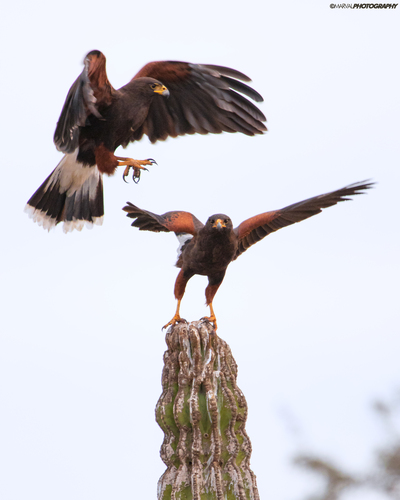 Poiana di Harris
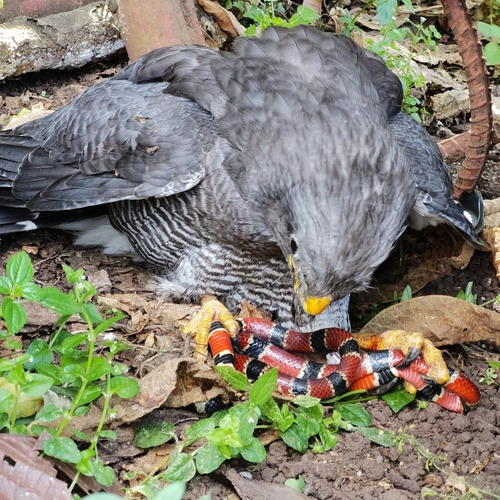 Gray Hawk
In breve
Il segno distintivo più affidabile per separare la Poiana di Harris dalla Gray Hawk è il piumaggio complessivo e il modello della coda, specialmente nei giovani e in volo. I giovani Poiane di Harris mostrano un ventre color crema, fortemente striato, con un pannello chiaro sull'ala esterna e una base e punta della coda bianche e larghe, mentre i giovani Gray Hawk hanno un ventre striato o maculato, strisce facciali audaci e una coda con molte bande scure strette e copritrici superiori bianche. Anche gli adulti sono distintivi: la Poiana di Harris è marrone scuro con spalle e cosce castanee, e un caratteristico sottocoda e punta della coda bianchi; la Gray Hawk è grigia chiara sopra e sotto con una coda nera e tre bande bianche. La Poiana di Harris è molto più pesante e robusta, spesso vista in gruppi cooperativi, mentre la Gray Hawk è più piccola, snella e più solitaria. Controlla sempre il modello della coda e l'ala inferiore in volo per una separazione rapida.
Consigli di identificazione
- Juvenile underwing and tail pattern: In volo, i giovani Poiane di Harris mostrano un'ala inferiore color crema, striata, con un pannello chiaro sulle primarie esterne e una base e punta della coda bianche e larghe. I giovani Gray Hawk hanno un ventre striato o maculato, strisce facciali audaci e una coda con molte bande scure strette e copritrici superiori bianche. Usa questi segni per qualsiasi rapace striato e marrone.
- Adult tail pattern: La Poiana di Harris mostra sempre una base e punta della coda bianche e larghe, con una banda scura in mezzo. La Gray Hawk ha una coda nera con tre bande bianche (una più larga), e bianca alla punta, ma senza una base bianca larga.
- Chestnut plumage: Solo la Poiana di Harris ha un ricco castano sulle spalle e cosce, visibile in tutte le età e particolarmente evidente negli adulti. La Gray Hawk è sempre grigia o marrone uniforme (giovane), mai rugginosa.
- Overall color: La Poiana di Harris è marrone scuro nel complesso (adulti), mentre la Gray Hawk è grigia chiara sopra e sotto (adulti). La giovane Poiana di Harris è striata di crema e marrone; la giovane Gray Hawk è marrone sopra, striata/maculata sotto.
- Facial pattern: La giovane Gray Hawk mostra strisce facciali audaci, assenti nella Poiana di Harris di qualsiasi età.
- White upper tail coverts: La giovane Gray Hawk mostra un bianco evidente alla base della coda (copritrici superiori della coda), un segno utile quando è posata o in volo. La Poiana di Harris mostra un sottocoda e una punta della coda bianchi, ma non lo stesso modello.
- Size and bulk: La Poiana di Harris è molto più grande e pesante (843.7g vs 475g), con un aspetto più robusto. Se vedi due falchi simili insieme, il più grande è probabilmente la Poiana di Harris.
- Flight silhouette: La Poiana di Harris ha ali e coda più lunghe, e appare più robusta in volo. La Gray Hawk è più compatta, con ali più larghe e arrotondate e una coda lunga, ma è più piccola nel complesso.
- Leg color: La Gray Hawk ha zampe giallo-arancioni, che possono essere visibili a distanza ravvicinata. Il colore delle zampe della Poiana di Harris è meno distintivo.
- Group behavior: La Poiana di Harris è spesso vista in gruppi, posandosi o cacciando insieme. La Gray Hawk è solitaria o in coppie.
- Habitat: La Poiana di Harris preferisce aree aperte, aride o cespugliose; la Gray Hawk è più probabile che si trovi ai margini boschivi o vicino all'acqua.
- Vocalization: Un 'kleee-ooo' acuto e fischiato è diagnostico per la Gray Hawk. I richiami della Poiana di Harris sono meno distintivi.
- Perched posture: La Poiana di Harris appare spesso più eretta e robusta, a volte con più uccelli su un singolo posatoio. La Gray Hawk è più snella e più solitaria.
- Subspecies variation: Le Poiane di Harris meridionali (P. u. unicinctus) possono mostrare ali inferiori più chiare e più decorate da adulte, ma mantengono sempre il castano e il modello della coda. La Gray Hawk non mostra questa variazione.
- Season and molt: I segni giovanili sono più utili alla fine dell'estate e in autunno, quando i giovani uccelli si disperdono e sono più suscettibili di essere confusi.
Taglia
La Poiana di Harris è significativamente più grande e pesante, con una media di 843.7g, mentre la Gray Hawk è molto più leggera (media 475g). La Poiana di Harris appare più robusta e robusta sia in posatoio che in volo, con ali e coda più lunghe, specialmente nelle sottospecie settentrionali. La Gray Hawk è piccola per un Buteo, con un'apertura alare relativamente corta ma una coda lunga, e un aspetto più compatto e agile. Sul campo, la Poiana di Harris apparirà visibilmente più grande e imponente, specialmente quando vista insieme o vicino a posatoi simili.
Piumaggio
- Juveniles:
- Poiana di Harris: Le parti inferiori sono fortemente striate di bianco o crema, apparendo molto più chiare degli adulti. In volo, la parte inferiore delle ali è color crema con striature marroni, e le primarie mostrano un pannello chiaro (biancastro tranne che alle punte). La coda ha una base e una punta bianche larghe, con una banda più chiara rispetto agli adulti. Il piumaggio castano sulle spalle e cosce è presente anche nei giovani uccelli.
- Gray Hawk: I giovani hanno parti superiori marrone scuro, un ventre striato o maculato di bianco, strisce facciali audaci e copritrici superiori bianche. La coda è marrone con numerose bande scure strette, mancando della base e punta bianche larghe della Poiana di Harris. L'impressione generale è quella di un uccello striato e marrone con un forte modello facciale e coda a bande.
- Adults:
- Poiana di Harris: Corpo uniformemente marrone scuro con ricco castano su spalle e cosce, e una coda molto distintiva con una base e punta bianche larghe. L'ala inferiore è solidamente scura negli uccelli settentrionali, più decorata in quelli meridionali.
- Gray Hawk: Grigio chiaro, uniforme e senza pattern sopra e sotto, con una coda nera caratterizzata da tre bande bianche (una più larga delle altre) e bianca alla punta. Le zampe sono giallo-arancioni. Nessun tono castano o rugginoso.
- Flight views: La Poiana di Harris mostra un caratteristico sottocoda e punta della coda bianchi, macchie di ali castanee e un profilo più robusto. La Gray Hawk è più grigia uniforme, con una coda fortemente a bande nere e bianche e senza toni rugginosi.
Comportamento
La Poiana di Harris è unica tra i rapaci per il suo comportamento cooperativo di caccia e nidificazione, spesso vista in gruppi di tre o più uccelli che lavorano insieme per cacciare o difendere un nido. Possono posarsi insieme, volare in formazione o condividere i compiti al nido. La Gray Hawk è molto più solitaria, tipicamente vista da sola o in coppie, e caccia da posatoi alti o planando a bassa quota su aree aperte. La Poiana di Harris è più probabile che venga vista in habitat aperti e aridi muovendosi come gruppo, mentre la Gray Hawk è più riservata e agile, spesso effettuando voli rapidi e diretti da un riparo.
Habitat
La Poiana di Harris preferisce habitat aperti e aridi come deserti, terreni cespugliosi e savane, spesso nidificando in piccoli alberi, arbusti o cactus. Sono più comuni nel sud-ovest degli Stati Uniti fino al Sud America, specialmente in aree con posatoi sparsi. La Gray Hawk si trova in campagna aperta e ai margini delle foreste, dalla Costa Rica a nord fino al sud-ovest degli Stati Uniti, ma è più strettamente associata a boschi ripariali, margini forestali e aree con alberi più alti. Può verificarsi sovrapposizione nel sud-ovest degli Stati Uniti e nel nord del Messico, ma la Poiana di Harris è più probabile che si trovi in terreni più secchi e aperti, mentre la Gray Hawk preferisce i margini boschivi e i corridoi fluviali.
Voce
La Gray Hawk ha un richiamo distintivo, acuto e fischiato 'kleee-ooo', che può essere un utile indizio, specialmente durante la stagione riproduttiva. Le vocalizzazioni della Poiana di Harris sono meno distintive e non descritte in dettaglio nelle fonti fornite, quindi la voce è più utile per confermare la Gray Hawk che per escludere la Poiana di Harris.