

Oca selvatica vs Oca facciabianca
Anser anser contro Branta leucopsis
Fai un quiz con Oca selvatica e Oca facciabianca
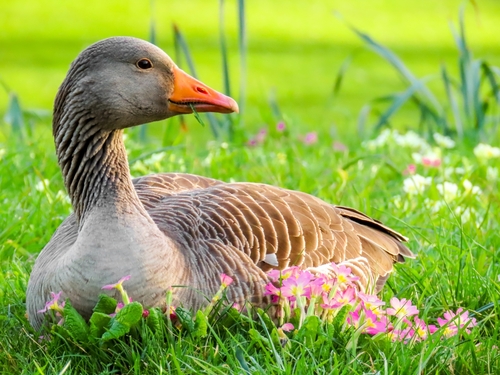 Oca selvatica
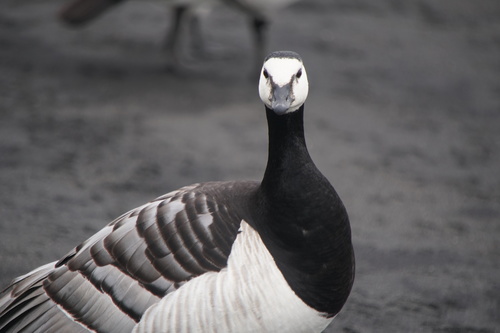 Oca facciabianca
In breve
Il modo più affidabile per separare l'Oca selvatica dall'Oca facciabianca è attraverso il piumaggio complessivo: l'Oca selvatica è un'oca grande, grigio-marrone chiaro con un becco arancione e zampe rosa, mentre l'Oca facciabianca è molto più piccola, con un motivo sorprendente caratterizzato da un collo e una testa neri, un volto bianco e parti superiori argentate a strisce. In volo, l'Oca selvatica mostra ali anteriori e un sopracciglio grigio chiaro, in contrasto con le piume da volo più scure, mentre l'Oca facciabianca mostra un sopracciglio bianco e ali inferiori argentate. I giovani di entrambe le specie sono simili agli adulti ma mancano di alcune marcature adulte. Anche la struttura e la dimensione sono fondamentali: l'Oca selvatica è quasi due volte più pesante dell'Oca facciabianca, con un becco molto più grande e robusto. La confusione è più probabile a distanza o in stormi misti, ma prestando attenzione al motivo della testa, al colore del becco e alla dimensione complessiva si risolvono la maggior parte dei casi.
Consigli di identificazione
- Motivo della testa e del collo: L'Oca facciabianca ha un collo e una testa neri sorprendenti con un volto bianco; l'Oca selvatica ha una testa e un collo grigio-marrone uniforme senza macchia bianca sul volto. Questo è il modo più veloce per separarli a qualsiasi età.
- Colore e forma del becco: Il becco dell'Oca selvatica è grande, arancione e triangolare; quello dell'Oca facciabianca è piccolo, nero e tozzo. Il colore del becco è visibile anche a distanza in buona luce.
- Colore delle zampe: L'Oca selvatica ha zampe rosa; l'Oca facciabianca ha sempre zampe nere. Questo è utile quando gli uccelli sono a terra o nuotano nelle vicinanze.
- Dimensione e robustezza del corpo: L'Oca selvatica è quasi due volte più pesante e molto più robusta dell'Oca facciabianca. Se entrambe le specie sono presenti, la differenza di dimensione è ovvia. Gli uccelli solitari richiedono cautela, ma l'Oca selvatica appare sempre più pesante e robusta.
- Motivo delle ali e della schiena in volo: L'Oca selvatica mostra ali anteriori e un sopracciglio grigio chiaro, in contrasto con le piume da volo più scure; l'Oca facciabianca mostra un sopracciglio bianco a forma di V e rivestimenti argentati sotto le ali. Questi sono meglio visibili in stormi in volo o quando gli uccelli allungano le ali.
- Petto e pancia: Il petto e la pancia dell'Oca selvatica sono chiari con macchie nere variabili (adulti); la pancia dell'Oca facciabianca è bianca pulita, senza macchie.
- Differenze nei giovani: I giovani dell'Oca selvatica mancano di macchie nere nelle parti inferiori e hanno zampe grigie; i giovani dell'Oca facciabianca hanno piume del mantello e dei fianchi arrotondate ma mantengono il motivo della testa bianco e nero.
- Texture del collo: L'Oca selvatica adulta mostra un motivo a 'concertina' di pieghe di piume sul collo, assente nell'Oca facciabianca.
- Parti superiori: L'Oca selvatica è grigio-marrone uniforme sopra con frange chiare; l'Oca facciabianca è a strisce grigio argento e nero, dando un aspetto molto più decorato.
- Voce: Il richiamo dell'Oca selvatica è un forte, gracchiante 'aahng-ung-ung'; quello dell'Oca facciabianca è più acuto e abbaioso. Usa la voce quando la visibilità è scarsa.
- Contesto dell'habitat: L'Oca selvatica è più probabile che si trovi nell'entroterra o nei campi agricoli; l'Oca facciabianca preferisce le praterie costiere, ma entrambe possono sovrapporsi in inverno.
- Struttura del branco: I branchi di Oche selvatiche sono spesso più grandi e più sciolti; i branchi di Oche facciabianca sono più compatti e più stretti.
- Insidie: A grande distanza, un'Oca facciabianca solitaria può apparire grigia e potrebbe essere scambiata per una piccola Oca selvatica, specialmente in scarsa luce. Controlla sempre prima il colore della testa e del becco.
- Variazione stagionale: Entrambe le specie sono simili tutto l'anno; nessun cambiamento significativo nel piumaggio stagionale influisce sull'identificazione.
- Morphs rari: Esistono Oche facciabianca leucistiche ma sono molto rare; se vedi un'oca completamente bianca con becco e zampe nere, considera questa possibilità ma fai riferimento alla struttura e al colore del becco per l'identificazione.
Taglia
L'Oca selvatica è sostanzialmente più grande, con una massa corporea media di circa 3465 g rispetto ai 1687 g dell'Oca facciabianca [wikidata]. L'Oca selvatica misura 74–91 cm di lunghezza, mentre l'Oca facciabianca è lunga 55–70 cm [wikipedia]. Sul campo, l'Oca selvatica appare più robusta, con una corporatura più pesante e un becco arancione molto più grande. L'Oca facciabianca è visibilmente più compatta, con un becco nero più piccolo e tozzo e un collo più corto. Quando viste insieme, la differenza di dimensione è ovvia, ma gli uccelli solitari possono essere difficili da identificare a distanza senza un confronto diretto.
Piumaggio
-
Piumaggio giovanile/immaturo: I giovani di entrambe le specie sono simili agli adulti ma con differenze sottili. I giovani dell'Oca selvatica mancano delle macchie nere sul petto e sulla pancia visibili negli adulti e hanno zampe grigie. I giovani dell'Oca facciabianca assomigliano agli adulti ma hanno piume del mantello e dei fianchi più arrotondate, mancando della nitidezza dei bordi delle piume adulte.
-
Piumaggio adulto: L'Oca selvatica è complessivamente grigio-marrone con un petto e una pancia più chiari, macchie nere variabili e un'ala anteriore e un sopracciglio grigio chiaro visibili in volo. Il collo mostra un motivo a 'concertina' di pieghe di piume. Il becco è arancione e le zampe sono rosa. L'Oca facciabianca è marcata in modo netto: testa, collo e parte superiore del petto neri, con un volto e una pancia bianchi. La schiena e le ali sono grigio argento con striature bianche e nere. In volo, l'Oca facciabianca mostra una macchia bianca a forma di V sul sopracciglio e rivestimenti argentati sotto le ali, in contrasto con l'ala anteriore e il sopracciglio grigio chiaro dell'Oca selvatica. Le zampe e il becco dell'Oca facciabianca sono neri, mai rosa o arancioni.
Comportamento
Entrambe le specie sono sociali e spesso viste in stormi, ma l'Oca selvatica tende a formare gruppi più grandi e rumorosi ed è più probabile che venga vista pascolare in campi aperti. I branchi di Oche facciabianca sono più compatti e spesso si nutrono di erba corta o di prato costiero. Le coppie di Oche selvatiche sono monogame a lungo termine, e le coppie dello stesso sesso sono comuni; queste dinamiche sociali sono meno evidenti sul campo ma possono influenzare la struttura del branco. Lo stile di volo è simile, ma la maggiore dimensione dell'Oca selvatica le conferisce un battito d'ali più pesante e lento.
Habitat
L'Oca selvatica è diffusa in tutta la Paleartide e spesso si trova in una varietà di habitat umidi, tra cui laghi, paludi e campi agricoli. È più probabile che venga vista nell'entroterra. L'Oca facciabianca tende a preferire le aree costiere, gli estuari e le isole erbose, specialmente durante la migrazione e l'inverno. Tuttavia, entrambe le specie possono sovrapporsi in praterie umide aperte, specialmente nelle aree di svernamento, quindi l'habitat da solo non è sempre diagnostico.
Voce
L'Oca selvatica emette un forte richiamo gracchiante 'aahng-ung-ung', simile a quello delle oche domestiche, e i branchi possono suonare come cani da caccia. L'Oca facciabianca non è descritta in dettaglio qui, ma i suoi richiami sono generalmente più acuti e abbaiosi rispetto alle note più profonde e gracchianti dell'Oca selvatica. La voce può aiutare quando gli uccelli volano sopra di noi o in scarsa luce, ma è meno affidabile rispetto al piumaggio o alla struttura.