

Ballerina gialla vs Eastern Yellow Wagtail
Motacilla cinerea contro Motacilla tschutschensis
Fai un quiz con Ballerina gialla e Eastern Yellow Wagtail
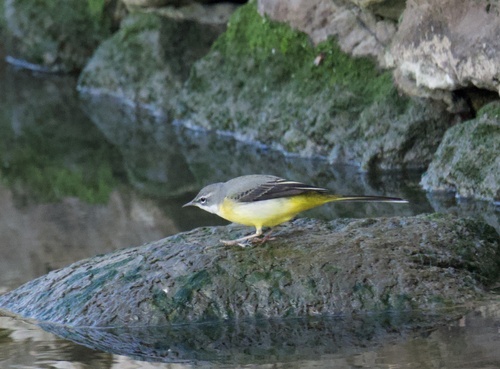 Ballerina gialla
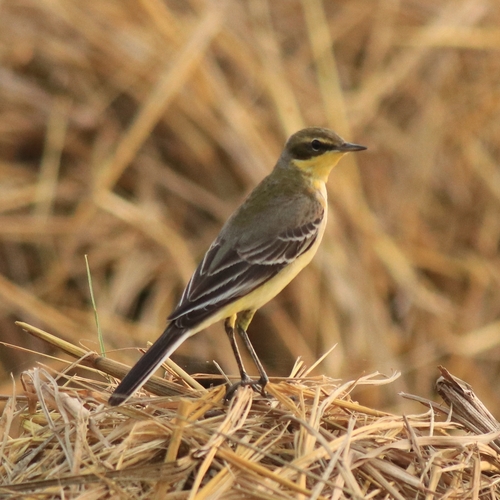 Eastern Yellow Wagtail
In breve
Il segno di campo più affidabile per separare la Ballerina gialla dall'Eastern Yellow Wagtail è la combinazione delle parti superiori grigie della Ballerina gialla e del suo ventre giallo nettamente delimitato, con solo un giallo limitato sulle parti inferiori, rispetto alle parti superiori complessivamente verde oliva dell'Eastern Yellow Wagtail e al giallo molto più esteso sotto. I maschi in riproduzione della Ballerina gialla mostrano una gola nera distintiva bordata da strisce bianche, che non è mai presente nell'Eastern Yellow Wagtail. Entrambe le specie sono uccelli snelli e dalla lunga coda, ma la Ballerina gialla è più lunga nel complesso e appare ancora più allungata a causa della sua coda molto lunga. Nelle livree non riproduttive e tra gli immaturi, l'estensione e la posizione del giallo, così come la presenza o l'assenza di grigio sulle parti superiori, sono fondamentali. L'habitat e il comportamento possono aiutare: la Ballerina gialla è strettamente legata all'acqua corrente, mentre l'Eastern Yellow Wagtail si trova più spesso in aree erbose aperte.
Consigli di identificazione
- Upperparts color: La Ballerina gialla ha sempre parti superiori grigie (tutte le età), mentre l'Eastern Yellow Wagtail è verde oliva sopra. Questa è la separazione più consistente in tutte le livree.
- Underpart yellow: La Ballerina gialla ha il giallo limitato al ventre e talvolta alla gola; il resto delle parti inferiori è biancastro. L'Eastern Yellow Wagtail è giallo su tutte le parti inferiori (anche se le femmine/gli immaturi possono essere più pallidi).
- Breeding male throat: Solo i maschi in riproduzione della Ballerina gialla hanno una gola nera bordata da strisce bianche. I maschi dell'Eastern Yellow Wagtail non hanno mai una gola nera.
- Supercilium and eye ring: La Ballerina gialla ha un supercilium bianco stretto e un anello oculare spezzato; il motivo della testa dell'Eastern Yellow Wagtail è variabile ma non presenta questa precisa combinazione.
- Tail length: La coda della Ballerina gialla è notevolmente più lunga e accentua il suo aspetto snello e allungato. La coda dell'Eastern Yellow Wagtail è lunga ma non così esagerata.
- Size: La Ballerina gialla è più lunga (18–19 cm vs. 15–16 cm) e più pesante, ma questa differenza è sottile a meno che non siano viste fianco a fianco.
- Habitat: Se l'uccello si sta nutrendo lungo acque rapide o è appollaiato su rocce in un ruscello, è quasi certamente una Ballerina gialla. In praterie aperte o paludi, specialmente in un gruppo, è più probabile che sia un Eastern Yellow Wagtail.
- Behavior: La Ballerina gialla è più solitaria o in coppie, specialmente vicino all'acqua; l'Eastern Yellow Wagtail è più gregario, specialmente durante la migrazione.
- Flight style: Entrambi hanno un volo ondulato, ma la Ballerina gialla può tornare nello stesso punto dopo essere stata spaventata lungo un corso d'acqua.
- Calls: Il 'chi-cheep' della Ballerina gialla è chiaro e netto; il 'zrri' o 'jeet' dell'Eastern Yellow Wagtail è più acuto e più raspante. Usare con cautela se non si è familiari.
- Seasonal context: In Europa, una ballerina gialla vista in tardo autunno o inverno è più probabile che sia una Ballerina gialla, poiché l'Eastern Yellow Wagtail è un vagrant raro in quella stagione.
- Plumage pitfalls: Le Ballerine gialle immature/femminili possono essere piuttosto pallide sotto, ma mostrano comunque più giallo rispetto alla Ballerina gialla e mancano delle parti superiori grigie.
- Head pattern: I maschi dell'Eastern Yellow Wagtail possono avere teste bianche, gialle o verdastre a seconda della sottospecie, ma mai l'aspetto con gola nera del maschio della Ballerina gialla.
- Perching behavior: La Ballerina gialla spesso si appollaia su rocce nell'acqua o su rami bassi sopra i ruscelli; l'Eastern Yellow Wagtail è più probabile che venga visto a terra in aree aperte.
- Flock size: La Ballerina gialla è raramente in gruppi, specialmente al di fuori dei dormitori invernali, mentre l'Eastern Yellow Wagtail si riunisce spesso in grandi gruppi durante la migrazione.
Taglia
La Ballerina gialla è leggermente più grande, misurando circa 18–19 cm di lunghezza e pesando circa 17,4 g [wikidata], mentre l'Eastern Yellow Wagtail è più piccolo a 15–16 cm (nessuna massa fornita, ma tipicamente più leggero). La coda più lunga della Ballerina gialla accentua il suo aspetto snello e allungato, facendola apparire ancora più lunga di quanto suggerisca la reale differenza di dimensioni. Entrambi sono snelli, ma la coda della Ballerina gialla è proporzionalmente più lunga.
Piumaggio
Gli uccelli giovanili e di primo inverno di entrambe le specie possono essere confusi, ma la Ballerina gialla mostra sempre parti superiori grigie e un ventre giallo, con il resto delle parti inferiori per lo più biancastre. I giovani e i primi inverni dell'Eastern Yellow Wagtail sono verdi oliva sopra e hanno un giallo più esteso sulle parti inferiori, anche se questo può essere diluito dal bianco, specialmente nelle femmine e negli immaturi. Il maschio in riproduzione della Ballerina gialla è unico tra questi due per avere una gola nera bordata da strisce bianche, mentre i maschi dell'Eastern Yellow Wagtail hanno motivi della testa variabili (mai una gola nera) e sono gialli brillanti sotto. In volo, nessuna delle due specie è nota per pannelli distintivi sulle ali superiori o piume da volo contrastanti che le separerebbero a distanza, quindi concentrati sul colore del corpo e delle parti inferiori. Il sottile supercilium bianco della Ballerina gialla e l'anello oculare spezzato sono sottili ma costanti, mentre il motivo della testa dell'Eastern Yellow Wagtail è più variabile e può includere toni bianchi, gialli o verdastri a seconda della sottospecie e dell'età.
Comportamento
La Ballerina gialla è fortemente associata all'acqua corrente, spesso vista nutrirsi singolarmente o in coppie lungo ruscelli, fiumi o anche corsi d'acqua urbani. Spesso si appollaia su rocce nell'acqua o su rami bassi, e la sua coda è costantemente scossa su e giù. In inverno, possono nutrirsi lungo le strade e sono noti per tornare negli stessi siti di svernamento. L'Eastern Yellow Wagtail si trova più spesso in aree erbose aperte, prati o paludi, ed è meno legato all'acqua. È più probabile che venga visto in gruppi, specialmente durante la migrazione, ed è meno probabile che si appolla su rocce nell'acqua. Entrambe le specie camminano e scuotono le loro code, ma il movimento della coda della Ballerina gialla è particolarmente pronunciato.
Habitat
La Ballerina gialla nidifica e si nutre quasi esclusivamente vicino all'acqua corrente—ruscelli, fiumi e talvolta corsi d'acqua artificiali—mentre l'Eastern Yellow Wagtail preferisce habitat erbosi aperti, prati e paludi, spesso lontano dall'acqua. Durante la migrazione e l'inverno, la Ballerina gialla può essere trovata in giardini urbani o lungo le strade ma cerca comunque acqua, mentre l'Eastern Yellow Wagtail è più probabile che si trovi in campi aperti o praterie. Se vedi una ballerina gialla lontano dall'acqua, specialmente in un gruppo, è più probabile che sia un Eastern Yellow Wagtail.
Voce
La Ballerina gialla emette un richiamo 'chi-cheep' netto e chiaro, spesso udito mentre si spaventa lungo i corsi d'acqua. Il suo canto è una serie di trilli. Il richiamo dell'Eastern Yellow Wagtail è un 'zrri' o 'jeet' acuto, che è più stridente e più raspante rispetto a quello della Ballerina gialla. I richiami sono utili se sei familiare con essi, ma entrambi possono essere acuti e possono sovrapporsi nel tono per l'orecchio inesperto.
Ballerina gialla · Eastern Yellow Wagtail · I miei uccelli difficili