

Ballerina gialla vs Cutrettola testagialla orientale
Motacilla cinerea contro Motacilla citreola
Fai un quiz con Ballerina gialla e Cutrettola testagialla orientale
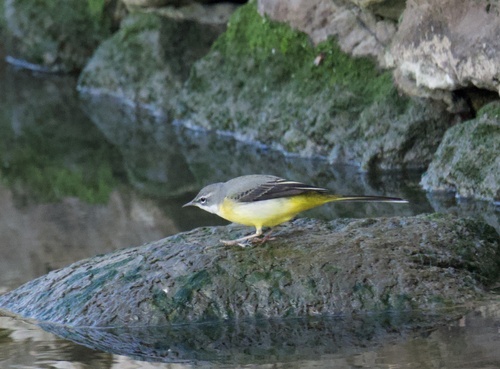 Ballerina gialla
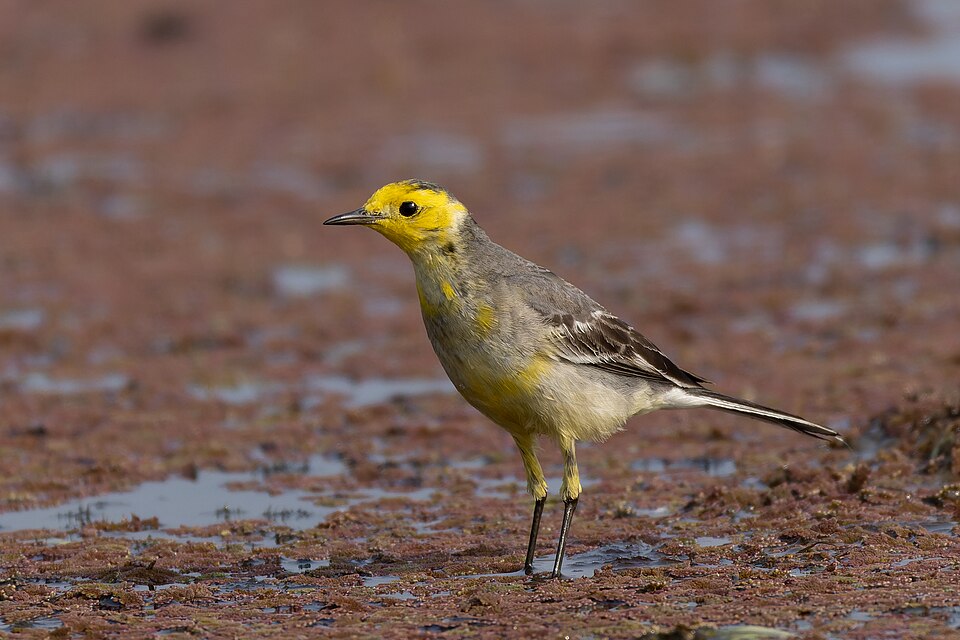 Cutrettola testagialla orientale
In breve
Il segno distintivo più affidabile per separare la Ballerina gialla dalla Cutrettola testagialla orientale è la distribuzione del giallo e il motivo della testa: la Ballerina gialla mostra un dorso grigio, un supercilium bianco stretto e giallo solo sul ventre e (nei maschi in riproduzione) sulla gola, mentre la Cutrettola testagialla orientale in abito nuziale ha una testa e parti inferiori di un giallo brillante, con parti superiori grigie o nere. In inverno, il giallo della Cutrettola testagialla orientale è più pallido e la testa diventa marrone con un supercilium giallastro, ma manca ancora della combinazione distintiva di dorso grigio e supercilium bianco della Ballerina gialla. La struttura è simile, ma la Ballerina gialla è leggermente più lunga e snella. Entrambe le specie muovono la coda e possono trovarsi vicino all'acqua, ma la Ballerina gialla è più strettamente legata ai corsi d'acqua, specialmente durante la stagione di riproduzione.
Consigli di identificazione
- Il motivo della testa è fondamentale: La Ballerina gialla ha un supercilium bianco stretto e un anello oculare spezzato, con una corona e una nuca grigie. La Cutrettola testagialla orientale in abito nuziale ha una testa gialla brillante (eccetto per una nuca nera nei maschi), che non è mai mostrata dalla Ballerina gialla.
- Distribuzione del giallo: Il giallo della Ballerina gialla è per lo più confinato al ventre e, nei maschi in riproduzione, alla gola. La Cutrettola testagialla orientale mostra giallo su tutta la parte inferiore e sulla testa in abito nuziale.
- Colore del dorso: La Ballerina gialla ha sempre parti superiori grigie, mentre la Cutrettola testagialla orientale ha parti superiori grigie o nere, ma la testa gialla e le parti inferiori dominano l'impressione, specialmente nei maschi in riproduzione.
- Colore della gola: Il maschio in riproduzione della Ballerina gialla ha una gola nera bordata da strisce bianche; la Cutrettola testagialla orientale manca di questo motivo, mostrando invece una gola e una testa gialla (maschio in riproduzione) o una testa marrone/giallastra (inverno/femmina).
- Supercilium: Il supercilium della Ballerina gialla è stretto, bianco e contrasta con la testa grigia; il supercilium della Cutrettola testagialla orientale è giallastro in inverno e meno definito.
- Contrasto delle parti inferiori: La Ballerina gialla ha parti inferiori biancastre con un ventre giallo a forte contrasto; le parti inferiori della Cutrettola testagialla orientale sono più uniformemente gialle in abito nuziale, sbiadendo in inverno.
- Sesso e stagione: Le femmine e le Cutrettole testagialla orientali in inverno sono più pallide, con una testa marrone e un supercilium giallastro, ma mancano ancora della testa grigio-bianca netta della Ballerina gialla. La femmina della Ballerina gialla rimane con il dorso grigio e un supercilium bianco con poco giallo.
- Dimensioni e struttura: La Ballerina gialla è leggermente più lunga e snella, ma questo non è un segno distintivo forte a meno che entrambe le specie non siano insieme.
- Movimento della coda: Entrambe le specie muovono la coda, quindi questo comportamento non è diagnostico.
- Contesto dell'habitat: Durante la stagione di riproduzione, la Ballerina gialla è quasi sempre vicino a corsi d'acqua veloci o fiumi, mentre la Cutrettola testagialla orientale preferisce prati umidi e tundra. Fuori stagione di riproduzione, la Ballerina gialla può essere trovata in giardini urbani ma sempre vicino all'acqua.
- Comportamento in volo: La Ballerina gialla spesso si alza in volo lungo strade o corsi d'acqua e poi ritorna al suo posto originale; questo comportamento è meno descritto per la Cutrettola testagialla orientale.
- Voce: Il richiamo acuto 'chi-cheep' della Ballerina gialla può aiutare se udito, ma il richiamo della Cutrettola testagialla orientale non è descritto nelle note, quindi usare con cautela.
- Trappole: In inverno, entrambe le specie diventano più pallide, ma la Ballerina gialla mantiene sempre il suo dorso grigio e il supercilium bianco, mentre la testa della Cutrettola testagialla orientale diventa marrone con un supercilium giallastro.
- Nessun forte segnale di pattern delle ali: Non ci sono note dettagliate su pattern distintivi delle ali superiori per nessuna delle due specie, quindi fare affidamento sulla colorazione della testa e del corpo.
- Controllare sempre più caratteristiche: Specialmente in abito non riproduttivo, utilizzare una combinazione di motivo della testa, distribuzione del giallo e habitat per una separazione sicura.
Taglia
La Ballerina gialla è marginalmente più grande, misurando circa 18–19 cm di lunghezza e pesando circa 17,4 g [wikipedia][wikidata]. La Cutrettola testagialla orientale è leggermente più piccola, con una lunghezza di 15,5–17 cm [wikipedia]. Sul campo, questa differenza è sottile e di solito non è diagnostica a meno che entrambe non siano viste fianco a fianco.
Piumaggio
- Uccelli giovanili e non in riproduzione: Non ci sono note dettagliate sui pattern delle ali per i giovanili o gli immaturi nelle fonti, quindi la separazione si basa sulla colorazione generale e sul motivo della testa piuttosto che sui segni delle ali superiori.
- Piumaggio nuziale adulto: I maschi della Ballerina gialla hanno un dorso grigio, un supercilium bianco stretto e una gola nera bordata da strisce bianche. Il giallo è limitato al ventre e alla gola. I maschi della Cutrettola testagialla orientale in riproduzione hanno una testa e parti inferiori gialle brillanti, con parti superiori grigie o nere e bianco sulle remiganti. L'intera testa è gialla tranne per una nuca nera.
- Piumaggio adulto non in riproduzione/inverno: La Ballerina gialla mantiene il dorso grigio e il supercilium bianco, con giallo per lo più sul ventre e un po' sulla gola. La Cutrettola testagialla orientale diventa più pallida, con parti inferiori gialle diluite dal bianco, e la testa diventa marrone con un supercilium giallastro. Le femmine sono simili ai maschi sbiaditi.
- Femmine: La femmina della Cutrettola testagialla orientale assomiglia a una versione sbiadita del maschio in inverno, mentre la femmina della Ballerina gialla mantiene il dorso grigio e il supercilium bianco con meno giallo in generale.
Comportamento
Entrambe le specie muovono costantemente la coda e cercano cibo lungo i bordi dell'acqua. La Ballerina gialla spesso cerca cibo singolarmente o in coppie, a volte lungo le strade in inverno, ed è nota per la sua abitudine di alzarsi in volo e poi tornare al posto originale. Il comportamento della Cutrettola testagialla orientale è meno specificamente descritto, ma è anche un cercatore di cibo a terra in prati umidi e tundra. Entrambe le specie possono posarsi su rocce o rami bassi vicino all'acqua.
Habitat
La Ballerina gialla è fortemente associata a corsi d'acqua veloci e fiumi, specialmente per la riproduzione, e spesso nidifica su argini o strutture artificiali vicino all'acqua [wikipedia]. In inverno, può utilizzare giardini urbani ma rimane vicino all'acqua. La Cutrettola testagialla orientale nidifica in prati umidi e tundra, spesso nel Palearctico centrale, e sverna nel Sud Asia, a volte ad alte altitudini. È meno strettamente legata all'acqua corrente rispetto alla Ballerina gialla e può essere trovata in una gamma più ampia di habitat umidi.
Voce
La Ballerina gialla emette un richiamo acuto 'chi-cheep', specialmente quando si alza in volo, e il suo canto è una serie di trilli [wikipedia]. Non ci sono dettagli specifici sulla vocalizzazione della Cutrettola testagialla orientale nelle note fornite, quindi la voce non è un separatore affidabile basato sulle fonti attuali.
Ballerina gialla · Cutrettola testagialla orientale · I miei uccelli difficili