

Falaropo beccolargo vs Piro piro piccolo
Phalaropus fulicarius contro Actitis hypoleucos
Fai un quiz con Falaropo beccolargo e Piro piro piccolo
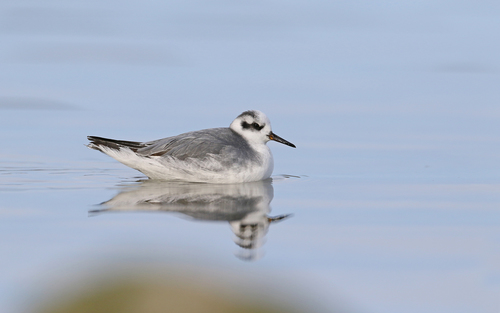 Falaropo beccolargo
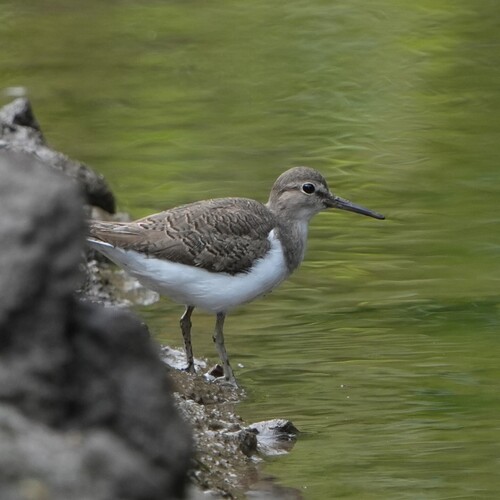 Piro piro piccolo
In breve
Il segno distintivo più affidabile per separare il Falaropo beccolargo (Falaropo rosso) dal Piro piro piccolo è la forma generale del corpo e la struttura del becco, specialmente nelle piume non riproduttive e giovanili quando entrambi possono apparire grigi e bianchi. I Falaropi beccolargo giovanili e invernali sono più robusti, con un becco dritto e più spesso e una caratteristica macchia nera attorno all'occhio, mentre i Piro piro piccoli sono più snelli, con un becco più fine e privi di macchia attorno all'occhio. In volo, i Piro piro piccoli mostrano una forte banda alare bianca e più barre sulla parte superiore, specialmente da giovani, mentre il Falaropo beccolargo manca di queste caratteristiche. Anche il contesto e il comportamento aiutano: il Falaropo beccolargo nuota spesso e ruota sull'acqua, mentre il Piro piro piccolo è quasi sempre visto camminare lungo le coste.
Consigli di identificazione
- Eyepatch: Il Falaropo beccolargo (tutte le età, specialmente giovanile e invernale) mostra una forte macchia nera attorno all'occhio; il Piro piro piccolo non ha mai questa caratteristica.
- Bill shape: Il Falaropo beccolargo ha un becco dritto e più spesso (giallo con punta nera in riproduzione, tutto nero in inverno); il becco del Piro piro piccolo è più fine, con una base chiara e punta scura.
- Body shape: Il Falaropo beccolargo è più robusto e rotondo, specialmente quando nuota; il Piro piro piccolo è più snello e allungato, con una proiezione della coda più lunga.
- Leg color: Il Piro piro piccolo ha zampe corte di colore giallo scuro; le zampe del Falaropo beccolargo sono meno distintive, spesso nascoste quando nuota.
- Wing pattern (flight): Il Piro piro piccolo (tutte le età) mostra una netta banda alare bianca e più barre sulle ali, specialmente da giovane; il Falaropo beccolargo manca di una banda alare e ha ali più semplici.
- Juvenile upperparts: Il Piro piro piccolo giovanile è fortemente barrato sopra con bordi color crema sulle piume delle ali; il giovanile del Falaropo beccolargo è grigio e marrone uniforme sopra.
- Behavior: Il Falaropo beccolargo nuota spesso e ruota in cerchi sull'acqua; il Piro piro piccolo quasi mai nuota ed è visto camminare lungo le coste, muovendo la coda.
- Habitat: Se l'uccello sta nuotando su acqua aperta, specialmente lontano dalla costa, sospetta il Falaropo beccolargo; se cammina lungo il bordo, sospetta il Piro piro piccolo.
- Flight jizz: Il Piro piro piccolo ha un volo rigido e basso sull'acqua; il volo del Falaropo beccolargo è più diretto e meno rigido.
- Plumage seasonality: Nella livrea di riproduzione, il Falaropo beccolargo è inconfondibile (parte inferiore rossa, macchie bianche sulle guance, becco con punta gialla); il Piro piro piccolo è sempre marrone sopra e bianco sotto.
- Flock behavior: Il Falaropo beccolargo può essere visto in gruppi, specialmente in mare; il Piro piro piccolo è solitamente solitario o in piccoli gruppi.
- Approachability: Il Falaropo beccolargo è spesso molto docile e avvicinabile; il Piro piro piccolo è più diffidente e si spaventa facilmente.
- Tail projection: La coda del Piro piro piccolo si proietta oltre le punte delle ali quando è posato; la coda del Falaropo beccolargo è più corta e meno evidente.
- Vocalization: Se udito, il Piro piro piccolo emette un acuto 'weet-weet-weet', specialmente in volo; il Falaropo beccolargo emette un breve 'beek' ma di solito è silenzioso.
- Sexual dimorphism: Rilevante solo nella stagione di riproduzione—la femmina del Falaropo beccolargo è più grande e più brillante del maschio, ma questo non è un problema di confusione con il Piro piro piccolo.
Taglia
Il Falaropo beccolargo è leggermente più grande e robusto, misurando circa 21 cm di lunghezza [wikipedia], mentre il Piro piro piccolo è 18–20 cm [wikipedia]. La differenza è sottile, ma il Falaropo beccolargo appare più rotondo e compatto, specialmente quando visto sull'acqua. Il Piro piro piccolo è più allungato, con una proiezione della coda più lunga e zampe più corte. Entrambi sono piccoli trampolieri, ma le proporzioni del falaropo ricordano di più un gabbiano o un uccello nuotatore, mentre il piro piro è chiaramente una specie da riva.
Piumaggio
- Juvenile/First-winter: Il giovanile del Falaropo beccolargo è grigio chiaro e marrone sopra, con parte inferiore color crema e una caratteristica macchia nera attorno all'occhio; nessuna forte banda alare o barre sulle ali. Il giovanile del Piro piro piccolo è più fortemente barrato sopra, con bordi color crema sulle piume delle ali e privo di macchia attorno all'occhio. In volo, il Piro piro piccolo mostra una netta banda alare bianca e un modello della parte superiore più evidente, mentre le ali del Falaropo beccolargo sono più semplici.
- Adult non-breeding (winter): Entrambe le specie sono grigie sopra e bianche sotto, ma il Falaropo beccolargo mantiene la sua macchia nera attorno all'occhio e ha un becco nero in inverno, mentre il Piro piro piccolo ha un becco con base chiara e senza macchia attorno all'occhio. Le ali del Piro piro piccolo mostrano barre sottili e una banda alare bianca, specialmente visibile in volo; le ali del Falaropo beccolargo rimangono semplici.
- Adult breeding: Non sono solitamente confusi, poiché il Falaropo beccolargo è notevolmente rosso sotto con macchie bianche sulle guance e un becco con punta gialla, mentre il Piro piro piccolo rimane marrone sopra e bianco sotto.
Comportamento
Il Falaropo beccolargo è spesso visto nuotare, a volte ruotando rapidamente in cerchi per creare un vortice alimentare, ed è molto docile e avvicinabile. Può anche essere visto in gruppi, specialmente in mare. Il Piro piro piccolo è quasi sempre visto camminare lungo il bordo dell'acqua, muovendo la coda e muovendosi in brevi scatti; raramente nuota. In volo, il Piro piro piccolo ha un volo distintivo rigido e basso sull'acqua, mentre il volo del Falaropo beccolargo è più diretto e meno rigido.
Habitat
Il Falaropo beccolargo si trova più spesso su acqua aperta, specialmente in mare o su grandi laghi interni durante la migrazione, e nidifica nell'Artico. Il Piro piro piccolo è un uccello delle coste, fiumi e laghi, solitamente visto camminare lungo bordi fangosi o rocciosi, e raramente si trova lontano dalla terra o su acqua aperta. Durante la migrazione, il Falaropo beccolargo può apparire su acque interne ma è ancora più probabile vederlo nuotare, mentre il Piro piro piccolo si attiene ai bordi.
Voce
Il Falaropo beccolargo emette un breve richiamo 'beek', ma è generalmente silenzioso e discreto. Anche il Piro piro piccolo non è particolarmente vocale, ma può emettere un acuto 'weet-weet-weet' ripetuto in volo o quando spaventato. Le vocalizzazioni non sono solitamente la caratteristica principale di separazione, ma il richiamo del Piro piro piccolo è più probabile che venga udito lungo le coste.
Falaropo beccolargo · Piro piro piccolo · I miei uccelli difficili