

Tordo di Baird vs Wood Thrush
Catharus minimus contro Hylocichla mustelina
Fai un quiz con Tordo di Baird e Wood Thrush
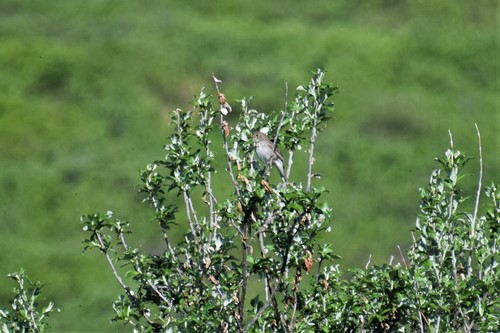 Tordo di Baird
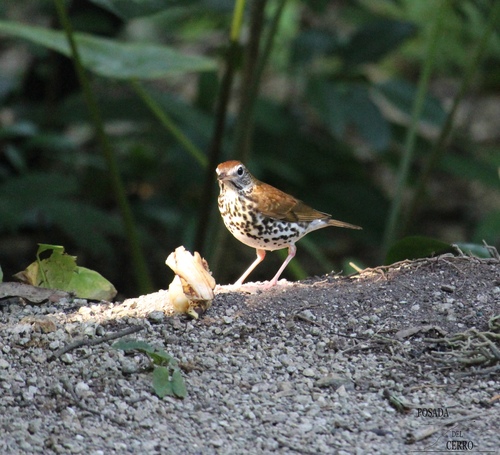 Wood Thrush
In breve
Il segno distintivo più affidabile per separare il Tordo di Baird dal Wood Thrush sono le grandi macchie scure e audaci sui sottoparti bianchi del Wood Thrush, rispetto alle macchie molto più fini e meno contrastanti del Tordo di Baird e al suo aspetto generalmente più opaco. Il Wood Thrush è decisamente più grande e robusto, con una corona e un nuca di un caldo marrone cannella, mentre il Tordo di Baird è più piccolo, più snello e ha un volto e una parte superiore grigia più semplice. In volo, entrambi mostrano il tipico schema di ali bianche-scure-bianche del Catharus, ma la dimensione e la colorazione più ricca del Wood Thrush sono evidenti anche allora. I giovani Wood Thrush hanno macchie aggiuntive sulla schiena e sulle copritrici delle ali, che non appaiono mai sul Tordo di Baird. Anche la voce è un forte separatore: il canto del Wood Thrush è famosamente melodico, mentre quello del Tordo di Baird è una serie più burrosa e simile a un flauto.
Consigli di identificazione
- Juvenile spotting: I giovani Wood Thrush hanno macchie scure extra sulla schiena, sul collo e sulle copritrici delle ali—mai presenti sul Tordo di Baird. Se vedi macchie dorsali, è Wood Thrush.
- Underpart spotting: Il Wood Thrush (tutte le età) mostra grandi macchie scure rotonde su un petto bianco, lati e fianchi. Il Tordo di Baird ha macchie molto più fini e meno distinte, spesso limitate alla parte superiore del petto, con fianchi scuri (non bianchi).
- Facial pattern: Il Tordo di Baird ha un volto grigio semplice, un anello oculare parziale pallido e un'area grigia tra l'occhio e il becco. Il Wood Thrush ha un forte anello oculare bianco e un volto più caldo e contrastante.
- Crown and nape color: La corona e la nuca del Wood Thrush sono di un ricco marrone cannella, in contrasto con la schiena. Il Tordo di Baird è uniformemente grigio-marrone sopra, privo di toni rufacei.
- Size and structure: Il Wood Thrush è decisamente più grande e massiccio, con un becco più pesante e zampe più lunghe. Il Tordo di Baird è più snello e più delicato nel complesso.
- Leg color: Il Wood Thrush ha zampe rosa, che possono essere evidenti in buona luce. Le zampe del Tordo di Baird sono più opache e meno colorate.
- Underwing pattern: Entrambi mostrano il pattern di ali bianche-scure-bianche del Catharus in volo, quindi questo non è utile per separare questi due.
- Flank color: Il Tordo di Baird ha fianchi ampiamente scuri, che si fondono con il petto. I fianchi del Wood Thrush sono bianchi con macchie audaci.
- Perched jizz: Il Wood Thrush appare spesso eretto e robusto, a volte sollevando la coda. Il Tordo di Baird è più orizzontale e tende a nascondersi in basso in copertura densa.
- Song: Se canta, il canto del Wood Thrush è ricco, melodico e simile a un flauto; quello del Tordo di Baird è burroso, discendente e meno musicale. La voce è diagnostica se ascoltata bene.
- Habitat context: In una foresta decidua matura e umida nell'est degli Stati Uniti, è probabile trovare il Wood Thrush. In fitte boscaglie boreali o subartiche, specialmente a nord, è molto più probabile trovare il Tordo di Baird.
- Migration timing: Il Wood Thrush arriva prima in primavera negli Stati Uniti ed è presente più a sud in estate. Il Tordo di Baird è un migrante più tardivo e nidifica molto più a nord.
- Foraging behavior: Il Wood Thrush è spesso visto saltellare sul pavimento della foresta nel fogliame; il Tordo di Baird è più segreto e spesso rimane in sottobosco denso o in arbusti bassi.
- Vagrancy: Il Wood Thrush è un raro vagabondo in Europa; il Tordo di Baird non è menzionato come tale.
- Pitfalls: Fai attenzione a confondere il Wood Thrush con altri tordi del genere Catharus (ad esempio, Swainson’s, Hermit), ma la sua dimensione e le macchie audaci sono uniche. Il Tordo di Baird è più facilmente confuso con il Tordo di Bicknell, non con il Wood Thrush.
Taglia
Il Wood Thrush è significativamente più grande: 18–21,5 cm di lunghezza e 48–72 g di massa, con un'apertura alare di 30–40 cm. Il Tordo di Baird è più piccolo e leggero, con una lunghezza di 15–17 cm e 26–30 g, e un'apertura alare di 32–34 cm. Sul campo, il Wood Thrush appare più massiccio e robusto, specialmente quando visto fianco a fianco con tordi del genere Catharus come il Tordo di Baird. Il becco e le zampe del Wood Thrush sono anche proporzionalmente più robusti e lunghi.
Piumaggio
- Juvenile/immature birds: I giovani Wood Thrush sono distintivi, con macchie extra sulla schiena, sul collo e sulle copritrici delle ali—queste macchie dorsali extra non sono mai presenti sul Tordo di Baird di alcuna età. Entrambe le specie hanno sottoparti macchiate, ma le macchie del Wood Thrush sono molto più grandi, rotonde e più nettamente definite, coprendo il petto, i lati e i fianchi. Il Tordo di Baird ha macchie più fini e meno contrastanti, spesso limitate alla parte superiore del petto, con fianchi scuri e un tono generalmente più opaco e grigio-marrone nel complesso.
- Adults: Il Wood Thrush ha una corona e una nuca di un ricco marrone cannella, in contrasto con una schiena e ali marroni più opache. Il suo audace anello oculare bianco e le zampe rosa sono prominenti. Il Tordo di Baird è più semplice, con un volto grigio, un anello oculare parziale pallido e un'area grigia tra l'occhio e il becco. Le parti superiori sono di un grigio-marrone opaco, e i fianchi sono ampiamente scuri. Entrambe le specie hanno sottoparti bianche, ma solo il Wood Thrush mostra le macchie pesanti e ben definite. In volo, entrambe mostrano il pattern di ali bianche-scure-bianche del Catharus, ma questo non è diagnostico tra di loro.
Comportamento
Il Wood Thrush è tipicamente solitario e cerca cibo principalmente sul pavimento della foresta, girando le foglie per trovare insetti, ed è spesso visto saltellare nel fogliame. Può unirsi a stormi misti in inverno. Il Tordo di Baird è segreto durante la nidificazione, spesso in basso in arbusti densi o a terra, ed è meno probabile che venga visto in spazi aperti. Entrambe le specie possono essere timide, ma il Wood Thrush è più probabile che venga sentito cantare da un posatoio, mentre il Tordo di Baird è più furtivo e meno vocale al di fuori della migrazione o della nidificazione.
Habitat
Il Wood Thrush nidifica in foreste decidue mature e miste nell'est del Nord America, preferendo aree con una chioma chiusa e un sottobosco umido e ombreggiato. Sverna in America Centrale e nel sud del Messico. Il Tordo di Baird nidifica molto più a nord, in foreste boreali da Terranova all'Alaska e nell'est della Siberia, favorendo fitte boscaglie di conifere o arbusti misti, spesso vicino o sopra la linea degli alberi. Durante la migrazione, il Tordo di Baird può apparire in una gamma di habitat boschivi, ma è generalmente meno comune e più settentrionale rispetto al Wood Thrush.
Voce
Il canto del Wood Thrush è famosamente bello: una chiara serie di frasi simile a un flauto con ricchi sovratoni melodici, spesso descritto come il più bello degli uccelli nordamericani. Le sue note di richiamo sono acute e metalliche. Il canto del Tordo di Baird è anch'esso simile a un flauto ma più burroso e meno melodico, di solito discendente in tonalità alla fine. La differenza è sorprendente per gli ascoltatori esperti: il canto del Wood Thrush è più musicale e complesso, mentre quello del Tordo di Baird è più semplice e nasale.