

Luì verdastro vs Two-barred Warbler
Phylloscopus trochiloides contro Phylloscopus plumbeitarsus
Fai un quiz con Luì verdastro e Two-barred Warbler
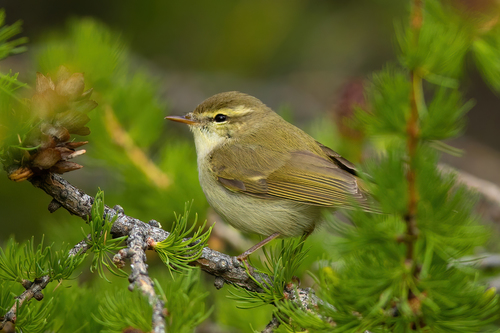 Luì verdastro
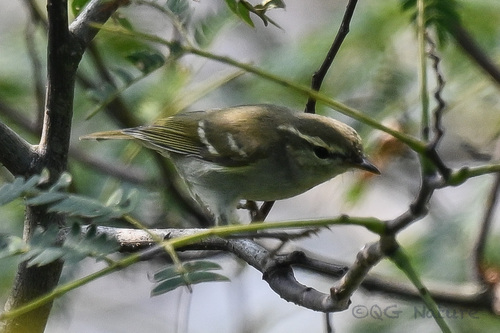 Two-barred Warbler
In breve
Il segno di campo più affidabile tra Luì verdastro e Two-barred Warbler è il numero di bande alari: Two-barred Warbler mostra sempre due bande alari chiare e distinte sulle copritrici (sia negli adulti che nei giovani), mentre Luì verdastro di solito mostra solo una (a volte debole) banda alare, con una seconda banda raramente presente e di solito molto debole. Questa differenza è più evidente sugli uccelli posati e in volo, specialmente nel piumaggio fresco autunnale. Strutturalmente, Luì verdastro è leggermente più piccolo e con un becco più snello, ma questa è una differenza sottile e meglio utilizzata in combinazione con il piumaggio. Entrambe le specie sono verdastre sopra e chiare sotto, quindi il colore complessivo non è un separatore sicuro. La voce e l'areale possono aiutare, ma sono meno utili su vagabondi o in silenzio.
Consigli di identificazione
- Count the wing bars: Two-barred Warbler mostra sempre due bande alari chiare e distinte (copritrici maggiori e mediane) su entrambi gli adulti e i giovani; Luì verdastro di solito ha solo una, con una seconda banda raramente presente (principalmente in alcuni uccelli orientali). Questo è il segno di campo più affidabile.
- Look for the second wing bar: Su Luì verdastro, se è presente una seconda banda, di solito è debole e mai così audace o lunga come in Two-barred. Su Two-barred, entrambe le bande sono chiare e nitide.
- Check in fresh autumn birds: Il contrasto delle bande alari è più netto in autunno dopo la muta, specialmente nei giovani e nei primi inverni. Gli adulti possono mostrare bande leggermente usurate in primavera, ma il modello a due bande persiste in Two-barred Warbler.
- Bill structure: Luì verdastro ha un becco più sottile senza una punta scura sulla mandibola inferiore; il becco di Two-barred non è descritto come avente questa caratteristica, ma la differenza è sottile e meglio utilizzata come prova di supporto.
- Supercilium and face: Entrambe le specie hanno un supercilium chiaro, ma Luì verdastro (soprattutto gli uccelli occidentali) può mostrare una sfumatura giallastra nel supercilium, nella gola e nel petto. Questo è variabile e non sempre affidabile.
- Upperparts color: Entrambi sono verdastri sopra e bianco sporco sotto; non fare affidamento sul colore complessivo per separarli.
- Size and structure: Luì verdastro è leggermente più piccolo e con un becco più snello, ma è difficile giudicare a meno che entrambi non siano visti insieme.
- Song: Se udito, il canto di Luì verdastro è un trillo alto e nervoso, a volte con note discendenti; il canto di Two-barred è più lungo, con una parte gorgheggiante seguita da note ascendenti e discendenti. Usare con cautela, poiché il canto è variabile e non sempre emesso.
- Habitat and range: Luì verdastro è più probabile in Europa occidentale, specialmente come vagabondo; Two-barred è più orientale. Tuttavia, entrambi possono verificarsi al di fuori dei loro areali principali durante la migrazione.
- Jizz and behavior: Entrambi sono warbler attivi e irrequieti; il comportamento non è un separatore affidabile.
- Beware hybrids: Alcune popolazioni di Luì verdastro (soprattutto nell'Himalaya e a Baltistan) possono mostrare caratteristiche intermedie a causa dell'ibridazione, ma queste sono rare in Europa occidentale.
- Do not rely on leg color: Non ci sono differenze diagnostiche nel colore delle gambe tra queste due specie.
- Sex and age: Entrambi i sessi sono simili; le differenze di età sono principalmente nella freschezza e nel contrasto delle bande alari, non nella loro presenza o assenza.
- Flight views: In volo, la doppia banda alare di Two-barred è spesso visibile come due linee chiare attraverso l'ala chiusa; Luì di solito mostra solo una.
- Pitfalls: Non confondere le bande seconde deboli su alcuni Luì verdastri con le audaci bande doppie di Two-barred; valutare sempre la forza, la lunghezza e la chiarezza di entrambe le bande.
Taglia
Luì verdastro è leggermente più piccolo di Two-barred Warbler, con un becco più sottile e un aspetto più delicato nel complesso. Tuttavia, questa differenza di dimensioni è sottile e spesso difficile da giudicare sul campo a meno che entrambe le specie non siano viste fianco a fianco. Entrambi sono tipici piccoli warbler, e le dimensioni non dovrebbero essere considerate un segno di campo primario. [wikipedia]
Piumaggio
La principale differenza nel piumaggio è nel modello delle bande alari, specialmente sugli uccelli freschi autunnali e sui giovani. Two-barred Warbler mostra sempre due bande alari chiare e distinte sulle copritrici maggiori e mediane, visibili sia quando è posato che in volo. Luì verdastro di solito ha solo una singola banda alare (sulle copritrici maggiori); una seconda banda debole può a volte essere presente in alcune popolazioni orientali, ma è molto meno distinta rispetto a Two-barred. Questa differenza si applica a tutte le età ed è più ovvia in autunno quando il piumaggio è fresco. Entrambe le specie sono verdastre sopra e bianco sporco sotto, quindi la colorazione complessiva non è diagnostica. Il colore e la struttura del becco possono aiutare: Luì verdastro ha un becco più sottile senza una punta scura sulla mandibola inferiore, mentre il becco di Two-barred non è descritto in questo modo. [wikipedia]
Comportamento
Entrambe le specie si comportano come tipici warbler: attivi, irrequieti e spesso in cerca di cibo nel fogliame. Non ci sono forti differenze comportamentali notate tra le due nelle fonti disponibili. Entrambi possono cercare di raccogliere o muoversi tra i rami, e entrambi sono insetti voraci. Il jizz non è un separatore affidabile qui.
Habitat
Luì verdastro nidifica in foreste decidue o miste di pianura in tutta l'Europa nord-orientale e nell'Asia continentale temperata a subtropicale, e sverna in India. Può essere trovato come vagabondo in Europa occidentale, a volte in foreste montane nella stagione non riproduttiva. Two-barred Warbler nidifica più a nord-est, nella Mongolia settentrionale, in Manciuria e nella Siberia meridionale. Entrambi sono migratori, ma i loro areali di nidificazione non si sovrappongono molto. L'habitat non è un separatore affidabile durante la migrazione o il vagabondaggio, ma Luì è più probabile in Europa occidentale. [wikipedia]
Voce
Il canto può aiutare ma non è sempre pratico per vagabondi o uccelli silenziosi. Luì verdastro ha un trillo alto e nervoso, a volte con note discendenti; i canti sono generalmente più brevi intorno all'Himalaya. Il canto di Two-barred Warbler è più lungo, con una parte gorgheggiante seguita da una serie di note ascendenti e discendenti, e contiene sempre elementi a due bande. Tuttavia, il canto è variabile e ci sono sovrapposizioni, quindi usare con cautela. [wikipedia]
Luì verdastro · Two-barred Warbler · I miei uccelli difficili