
Green Warbler vs Two-barred Warbler
Phylloscopus nitidus contro Phylloscopus plumbeitarsus
Fai un quiz con Green Warbler e Two-barred Warbler
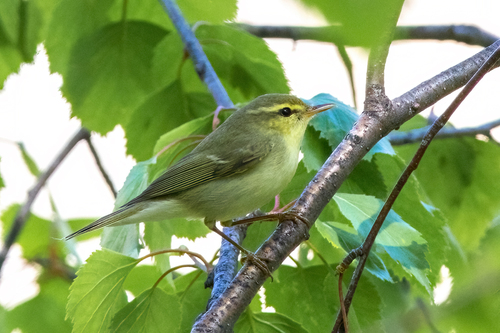 Green Warbler
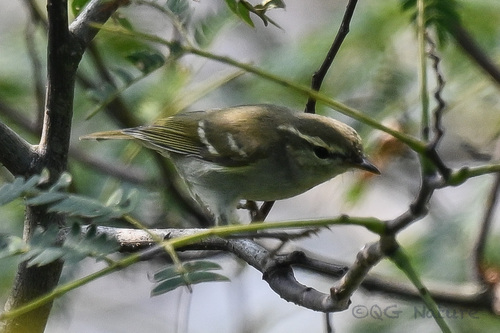 Two-barred Warbler
In breve
Il segno di campo più affidabile tra Green Warbler e Two-barred Warbler è la luminosità generale e il tono giallo delle parti inferiori: Green Warbler è decisamente più luminoso e molto più giallo sotto, particolarmente evidente nel piumaggio fresco e nei giovani uccelli. Green Warbler mostra anche una barra alare forte e una debole (più prominente nei giovani), mentre Two-barred Warbler ha tipicamente due barre alari chiare. Entrambi sono piccoli warbler delle foglie, ma i loro areali non si sovrappongono, e l'habitat può essere un indizio. Se vedi un uccello molto giallo con una barra alare forte e una debole, specialmente nel Caucaso, è probabile che sia un Green Warbler; un uccello con due barre alari nette e meno giallo sotto in Siberia/Mongolia è un Two-barred Warbler.
Consigli di identificazione
- Barre alari nei giovani e negli adulti: Green Warbler mostra una barra alare forte e una debole, con la barra debole meglio visibile nel piumaggio giovanile fresco o in buona luce. Two-barred Warbler mostra sempre due barre alari nette e ugualmente prominenti a tutte le età. Se entrambe le barre sono ovvie e nitide, favorisci Two-barred.
- Colore delle parti inferiori: Green Warbler è molto più giallo sotto, specialmente sul ventre e sul cloa, a tutte le età e stagioni. Two-barred Warbler è più chiaro, con parti inferiori bianche o solo leggermente giallastre.
- Luminosità generale: Green Warbler è più luminoso e più verde in generale, specialmente nel piumaggio fresco. Two-barred Warbler appare più opaco e meno vivido.
- Areale geografico: Se sei nelle Montagne del Caucaso, Green Warbler è la specie probabile; in Siberia, Mongolia o Manciukuò, aspettati Two-barred Warbler. La vaganza è rara per entrambi.
- Forma e contrasto della barra alare: In Green Warbler, la seconda barra (debole) può essere difficile da vedere, specialmente nel piumaggio usurato o in scarsa luce. In Two-barred Warbler, entrambe le barre alari sono solitamente chiare e contrastanti anche negli uccelli usurati.
- Tempistica della muta: Entrambe le specie mutano prima della migrazione autunnale, quindi il piumaggio fresco è possibile sia negli adulti che nei giovani a fine estate. Usa il colore delle parti inferiori e il modello della barra alare piuttosto che lo stato di muta.
- In posa vs. in volo: Le barre alari sono più facili da vedere sugli uccelli in posa con le ali chiuse, ma possono essere intraviste in volo. Cerca il numero e la chiarezza delle barre.
- Nessuna differenza affidabile di dimensione o struttura: Il becco, la coda e la forma dell'ala non sono notati come diversi nelle fonti; non usare queste caratteristiche per la separazione.
- Nessuna differenza sessuale: Entrambe le specie mostrano piumaggio simile nei maschi e nelle femmine; il sesso non è un segno utile sul campo.
- Nessuna differenza vocale diagnostica nelle fonti: Se senti un canto o un richiamo, non fare affidamento su di esso a meno che tu non abbia conoscenze esperte o una registrazione per il confronto.
- Contesto dell'habitat: Entrambe le specie preferiscono aree boschive, ma il paesaggio più ampio (Caucaso vs. Siberia/Mongolia) è un forte indizio.
- Trappola – seconda barra alare debole: Non scambiare una barra debole su Green Warbler per la barra doppia netta di Two-barred; controlla anche la luminosità e il colore delle parti inferiori.
- Trappola – piumaggio usurato: A fine estate, i Green Warbler usurati possono avere una seconda barra ancora più debole, facendoli sembrare più simili a Two-barred. Usa il colore delle parti inferiori e la luminosità generale per confermare.
- Trappola – illuminazione: Una scarsa illuminazione può far sembrare Green Warbler meno giallo e la barra alare debole meno ovvia. Cerca di osservare l'uccello in buona luce e da più angolazioni.
- Suggerimento riassuntivo: Se vedi un warbler molto giallo e luminoso con una barra alare forte e una debole, pensa a Green Warbler; se entrambe le barre sono ugualmente forti e l'uccello è più chiaro sotto, pensa a Two-barred.
Taglia
Non sono notate differenze di dimensione tra queste due specie nelle fonti disponibili; entrambe sono tipici piccoli warbler Phylloscopus, e la dimensione non è un segno di campo affidabile per la separazione.
Piumaggio
I Green Warbler giovani e di primo anno mostrano una barra alare forte e una debole, con la barra debole a volte difficile da vedere tranne che nel piumaggio fresco o in buona luce. Le loro parti inferiori sono molto più gialle rispetto a Two-barred Warbler a tutte le età, dando un'impressione più luminosa e verde. Two-barred Warbler, come suggerisce il nome, mostra due barre alari distinte sia negli adulti che nei giovani, che sono solitamente ugualmente prominenti e nette. Le parti inferiori di Two-barred Warbler sono meno gialle, tendendo verso il bianco o il pallido, e la colorazione generale è meno vivida rispetto a Green Warbler. Entrambe le specie mutano prima della migrazione autunnale, quindi gli adulti e i giovani possono sembrare freschi a fine estate, ma il giallo di Green Warbler rimane una differenza chiave.
Comportamento
Nessuna differenza comportamentale è descritta nelle fonti che separerebbe affidabilmente queste due specie sul campo. Entrambi sono tipici warbler delle foglie attivi, foraggiando nel fogliame e mostrando movimenti simili.
Habitat
Green Warbler si trova nelle Montagne del Caucaso nel sud-est dell'Europa, mentre Two-barred Warbler nidifica nel nord della Mongolia, Manciukuò e nel sud della Siberia. Se stai osservando gli uccelli nel Caucaso, Green Warbler è la specie attesa; in Siberia o nel nord della Mongolia, Two-barred Warbler è molto più probabile. Entrambe le specie utilizzano habitat boschivi, ma l'areale è il miglior indizio dell'habitat.
Green Warbler · Two-barred Warbler · I miei uccelli difficili