

Green Warbler vs Luì verdastro
Phylloscopus nitidus contro Phylloscopus trochiloides
Fai un quiz con Green Warbler e Luì verdastro
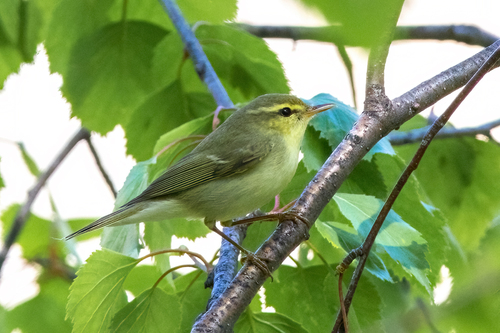 Green Warbler
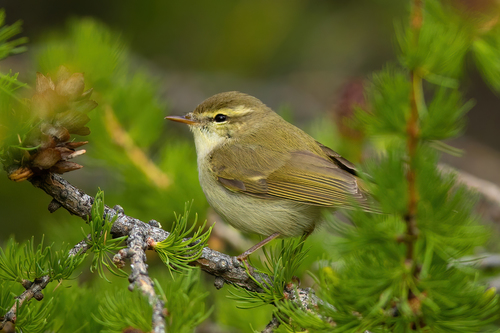 Luì verdastro
In breve
Il segno di campo più affidabile per separare il Green Warbler dal Luì verdastro è la presenza di due barre alari (una forte, una debole) sul Green Warbler, particolarmente evidente nei giovani uccelli, rispetto a una singola barra alare (a volte debole o assente) sulla maggior parte dei Luì verdastri. Il Green Warbler è anche visibilmente più luminoso nel complesso, con un ventre molto più giallo, mentre il Luì verdastro è più opaco e di un verde-grigiastro sopra con il sotto bianco sporco. La struttura e le dimensioni sono molto simili, quindi concentrati sul modello delle ali e sul colore delle parti inferiori, specialmente in vista di volo ravvicinato o in perching. L'habitat e l'areale possono aiutare: il Green Warbler è limitato al Caucaso, mentre il Luì verdastro è diffuso in tutta l'Eurasia.
Consigli di identificazione
- Count the wing bars: Il Green Warbler mostra due barre alari (una forte, una debole), specialmente nei giovani e negli immaturi; il Luì verdastro di solito ha solo una barra, e una seconda è raramente presente o evidente. Questo è il segno di campo più affidabile in tutte le età, specialmente in volo o quando l'uccello sbatte le ali.
- Check underpart color: Il Green Warbler è molto più giallo sotto, mentre il Luì verdastro è bianco sporco o solo debolmente giallastro. Questa differenza è costante negli adulti e negli immaturi.
- Assess overall brightness: Il Green Warbler è di un verde più brillante sopra e generalmente più vivido; il Luì verdastro è più opaco, di un verde-grigiastro sopra.
- Look for yellow in the face: Il Green Warbler mostra spesso un volto più luminoso e giallo, mentre il volto del Luì verdastro è più pallido e meno saturo.
- Habitat context: Nei Monti Caucaso, ci si aspetta di vedere il Green Warbler; nelle foreste di pianura o in gran parte dell'Eurasia, il Luì verdastro è molto più probabile.
- Range: Il Green Warbler è un riproduttore montano locale; il Luì verdastro è diffuso e migratorio, spesso apparendo come un vagabondo in Europa occidentale.
- Juvenile/immature birds: La doppia barra alare del Green Warbler è particolarmente evidente nei giovani uccelli; gli immaturi del Luì verdastro raramente mostrano più di una.
- Perched vs. flight views: Le barre alari sono più facili da vedere quando l'uccello è in perching e sbatte le ali o in viste di volo ravvicinato. In condizioni di scarsa illuminazione o in viste distanti, fai affidamento sul colore delle parti inferiori e sulla luminosità complessiva.
- Ignore size and structure: Entrambe le specie sono molto simili in dimensioni, forma e jizz; non fare affidamento su queste caratteristiche per la separazione.
- Voice is not helpful: Non ci sono chiare differenze vocali descritte per la separazione sul campo tra queste due.
- Seasonal context: Entrambe le specie sono insettivore e si comportano in modo simile durante tutto l'anno; i segni del piumaggio sono più affidabili del comportamento o della stagione.
- Avoid confusion with other Phylloscopus: Questi suggerimenti sono specifici per separare il Green e il Luì verdastro; altre specie simili (ad es., Arctic, Two-barred) possono mostrare modelli di ali o forme di becco diverse.
- Beware of faint wing bars: Alcuni Luì verdastri (soprattutto le popolazioni orientali) possono mostrare una traccia di una seconda barra alare, ma raramente è forte o chiara come nel Green Warbler. Confronta sempre la forza e la chiarezza di entrambe le barre.
- Supercilium is not diagnostic: Entrambe le specie hanno un supercilium pallido; usa le barre alari e il colore delle parti inferiori come i tuoi principali indizi.
- If in doubt, prioritize wing bars and underpart color: Queste due caratteristiche, specialmente in combinazione, sono le più affidabili per separare queste due specie sul campo.
Taglia
Entrambe le specie sono molto simili in dimensioni e struttura, tipiche dei piccoli Phylloscopus warblers. Non ci sono differenze affidabili di dimensioni o proporzioni segnalate nelle fonti disponibili. La forma e la lunghezza del becco non sono evidenziate come caratteristiche di separazione tra queste due (le differenze con l'Luì boreale sono menzionate, ma non tra Green e Luì verdastro).
Piumaggio
- Juvenile/immature birds: Il Green Warbler mostra due barre alari (una forte, una debole), che è più pronunciata nei giovani uccelli. Il Luì verdastro tipicamente mostra solo una singola barra alare, sebbene alcune popolazioni orientali possano mostrare tracce di una seconda, ma raramente è chiara come nel Green Warbler.
- Adults: Il Green Warbler rimane di un verde più brillante sopra e molto più giallo sotto rispetto al Luì verdastro, che è di un verde-grigiastro sopra e bianco sporco sotto. Il forte lavaggio giallo sulle parti inferiori del Green Warbler è distintivo in tutte le età.
- Wing pattern: La doppia barra alare del Green Warbler è un segno chiave, specialmente in volo o quando l'uccello sbatte le ali. La singola barra alare del Luì verdastro può essere debole o mancante, specialmente in alcune popolazioni.
- Supercilium and face: Entrambi mostrano un supercilium pallido, ma il volto complessivamente più luminoso e giallo del Green Warbler può risaltare rispetto al Luì verdastro più opaco.
Comportamento
Entrambe le specie si comportano come tipici warblers delle foglie: attivi, irrequieti e spesso a foraggiare nel fogliame. Non ci sono differenze comportamentali diagnostiche segnalate nelle fonti fornite. Entrambi possono sbattere le ali e le code, e entrambi sono insettivori.
Habitat
Il Green Warbler è uno specialista montano, trovato nei Monti Caucaso del sud-est Europa. Il Luì verdastro è molto più diffuso, riproducendosi dal nord-est Europa attraverso l'Asia temperata e subtropicale, e svernando in India. Se visto nel Caucaso, è più probabile che si tratti di un Green Warbler; altrove in Eurasia, specialmente nelle foreste di pianura o miste, il Luì verdastro è la norma. Il Luì verdastro può anche apparire come un vagabondo in Europa occidentale.
Voce
Non ci sono differenze vocali diagnostiche descritte nelle fonti per separare queste due specie. Entrambe hanno canti tipici di Phylloscopus, ma le note dettagliano solo le differenze con l'Arctic e il Two-barred Warbler, non tra Green e Luì verdastro.