

Piro piro culbianco vs Pettegola
Tringa ochropus contro Tringa totanus
Fai un quiz con Piro piro culbianco e Pettegola
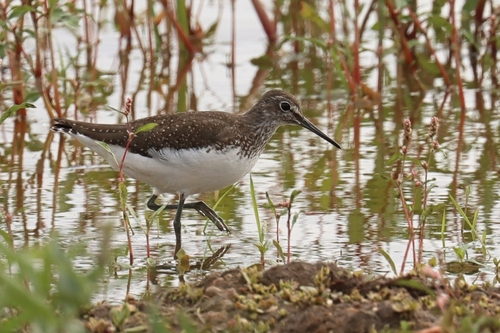 Piro piro culbianco
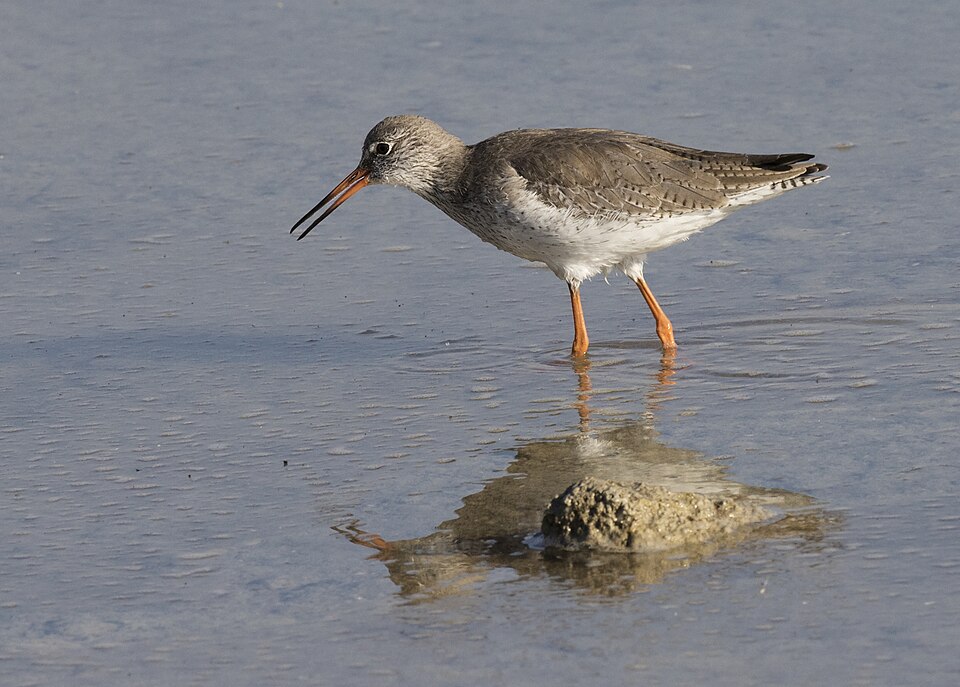 Pettegola
In breve
Il segno di campo più affidabile per separare il Piro piro culbianco dal Pettegola è il colore delle gambe: il Piro piro culbianco ha sempre gambe verde scuro, mentre il Pettegola mostra gambe rosse brillanti e un becco con base rossa. In volo, il Piro piro culbianco mostra un brillante sottocoda bianco e ali scure sopra e sotto, mentre il Pettegola mostra bianco lungo la schiena e sulle ali, ma manca del colpo d'occhio del sottocoda bianco. Il Piro piro culbianco è più piccolo e più compatto, con un becco più corto e parti superiori più scure e contrastanti. Il Pettegola è più massiccio, con un becco più lungo e con punta rossa e piumaggio più chiaro e meno patternato, specialmente in inverno. Queste differenze si mantengono in tutte le età, ma sono più evidenti in volo o quando gli uccelli sono in vista aperta.
Consigli di identificazione
- Il colore delle gambe è il controllo più veloce: il Piro piro culbianco mostra sempre gambe verde scuro, mentre il Pettegola ha gambe rosse vivide. Questo funziona in tutte le piumature e età.
- Colore e forma del becco: il becco del Piro piro culbianco è corto e verde scuro, mai con base rossa. Il becco del Pettegola è più lungo, con una base rossa e punta nera—molto evidente da vicino.
- Schema di volo—sottocoda bianco: In qualsiasi età o stagione, il Piro piro culbianco mostra un brillante sottocoda bianco e ali scure sopra e sotto in volo. Il Pettegola non ha questo; invece, mostra bianco lungo la schiena e sulle ali, ma il sottocoda non è una macchia bianca solida.
- Ali superiori e inferiori in volo: le ali del Piro piro culbianco sono scure sia sopra che sotto, facendo risaltare il sottocoda bianco. Le ali del Pettegola mostrano un ampio bordo bianco e bianco lungo la schiena, ma le ali stesse sono più chiare e meno contrastanti.
- Forma e dimensione del corpo: il Piro piro culbianco è più piccolo, più rotondo e più compatto, con un collo e un becco più corti. Il Pettegola è più grande, con gambe più lunghe e un aspetto più allungato.
- Schema del petto e della schiena: il Piro piro culbianco ha una schiena scura e maculata (più nei maschi adulti, meno nei giovani/uccelli invernali) e un petto ben definito. La schiena del Pettegola è marmorizzata di marrone in riproduzione, più semplice di grigio-marrone in inverno, con maculature diffuse o minime sul petto.
- Lunghezza delle gambe e postura: le lunghe e brillanti gambe rosse del Pettegola gli conferiscono una postura più alta e più eretta. Le gambe del Piro piro culbianco sono più corte e meno evidenti.
- Contesto dell'habitat: Se l'uccello si trova in una piccola pozza boschiva o in un fossato, è più probabile che sia un Piro piro culbianco. Su fanghi aperti o estuari, aspettati il Pettegola.
- Comportamento quando spaventato: il Piro piro culbianco spesso si spaventa presto e vola in zigzag con battiti d'ali rapidi, emettendo un fischio a tre note. Il Pettegola è più probabile a chiamare ad alta voce e in modo persistente, con un acuto 'teu-teu-teu' mentre vola via.
- Dimensione del gruppo: il Piro piro culbianco è solitamente solo o in coppie; il Pettegola spesso si raduna in stormi, specialmente in migrazione o in inverno.
- Lunghezza e colore del becco a distanza: Se il becco sembra lungo e con base rossa, è un Pettegola. Se è corto e tutto scuro, è un Piro piro culbianco.
- Stagionalità della piumatura: In inverno, il Pettegola diventa più semplice e grigio sopra, ma il colore delle gambe e del becco rimane diagnostico. Le macchie sulla schiena del Piro piro culbianco diminuiscono in inverno, ma il sottocoda bianco e le ali scure persistono.
- Confusione giovanile: Anche i giovani Piro piro culbianco mostrano il sottocoda bianco in volo e gambe scure. I giovani Pettegola hanno gambe più chiare e maculature più diffuse, ma mai il sottocoda bianco.
- Richiami di allerta: Il richiamo del Pettegola è più forte, più persistente e si sente più lontano rispetto al fischio più morbido del Piro piro culbianco.
- Quando hai dubbi: Cerca sempre di vedere l'uccello in volo e controlla per il sottocoda bianco (Piro piro culbianco) rispetto al bianco lungo la schiena e le ali (Pettegola), e conferma il colore delle gambe se possibile.
Taglia
Il Piro piro culbianco è nettamente più piccolo e più compatto, con una massa corporea media di 80g, rispetto ai 129g del Pettegola. Il Pettegola appare con gambe più lunghe e più massiccio, con un becco più lungo e un profilo generalmente più snello. Quando visti fianco a fianco, la differenza di dimensione e struttura è chiara, ma a distanza, la struttura è meno affidabile rispetto al colore delle gambe o al modello di volo.
Piumaggio
I Piro piro culbianco giovani e non in riproduzione hanno una schiena marrone-verde scuro con macchie bianche (più estese nei maschi adulti in riproduzione, ridotte in inverno e nei giovani uccelli), una testa e un petto grigi, e parti inferiori bianche. Le loro ali sono sempre scure sopra e sotto, e in volo, mostrano un brillante sottocoda bianco e ali scure—questo sottocoda bianco è diagnostico in tutte le età. Il Pettegola, al contrario, è marmorizzato di marrone sopra in piumaggio di riproduzione, con parti superiori più chiare e più semplici di grigio-marrone e bianche sotto in inverno. Il volo del Pettegola rivela bianco lungo la schiena e sulle ali, ma non un sottocoda bianco solido. Entrambe le specie hanno alcune maculature sul petto, ma quelle del Piro piro culbianco sono più nettamente definite, specialmente negli adulti. Le parti inferiori del Pettegola sono più diffusamente maculate o semplici, a seconda della stagione. Il colore delle gambe e del becco è sempre diagnostico: il Piro piro culbianco ha gambe e becco verde scuro, il Pettegola ha gambe rosse e un becco con base rossa e punta nera.
Comportamento
Il Piro piro culbianco è spesso solitario e predilige piccole pozze boschive o bordi fangosi, spesso muovendo il posteriore. Tende a spaventarsi presto e vola con battiti d'ali rapidi e flickering, mostrando il suo sottocoda bianco. Il Pettegola è più probabile trovarlo in stormi sciolti, specialmente al di fuori della stagione di riproduzione, e preferisce zone umide aperte, estuari e fanghi. Il Pettegola è più confidente, spesso chiamando ad alta voce quando spaventato, e il suo volo è meno erratico, con battiti d'ali più livellati e diretti.
Habitat
Il Piro piro culbianco preferisce habitat d'acqua dolce boschivi o cespugliosi, come piccole pozze, fossati e pozze forestali, spesso lontano dai fanghi aperti e dagli estuari preferiti dal Pettegola. Il Pettegola è più probabile trovarlo in ambienti umidi aperti, costieri o grandi zone umide interne, specialmente al di fuori della stagione di riproduzione. Può verificarsi sovrapposizione durante le soste migratorie, ma la preferenza dell'habitat è un utile indizio.
Voce
Il Piro piro culbianco emette un fischio acuto a tre note in volo, che è distintivo se udito bene. Il Pettegola è molto più vocale, specialmente quando allarmato, con un forte e squillante 'teu-teu-teu' o 'chew-chew-chew', spesso ripetuto e più acuto rispetto a quello del Piro piro culbianco. Se senti un richiamo persistente e forte, sospetta il Pettegola.