

Piro piro culbianco vs Pantana
Tringa ochropus contro Tringa nebularia
Fai un quiz con Piro piro culbianco e Pantana
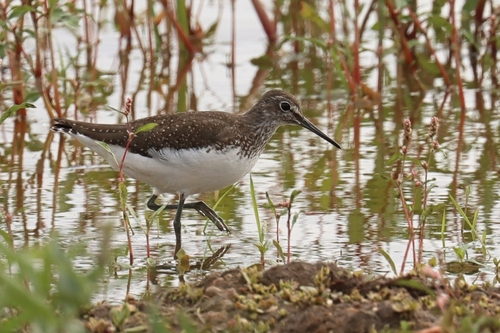 Piro piro culbianco
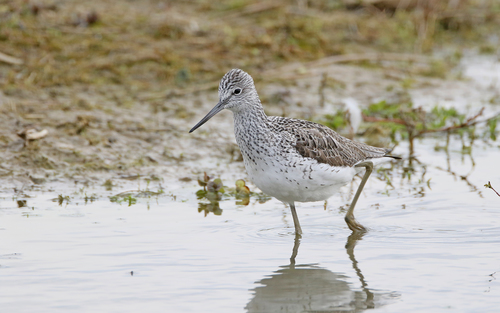 Pantana
In breve
Il segno di campo più affidabile che separa il Piro piro culbianco dalla Pantana è il modello di volo: il Piro piro culbianco mostra un caratteristico sottocoda bianco e ali scure sia sopra che sotto, mentre la Pantana presenta un cuneo bianco lungo la schiena ma non un sottocoda bianco. La Pantana è anche molto più grande e con gambe più lunghe, con un becco visibilmente più lungo e leggermente ricurvo. Quando è in posizione, il Piro piro culbianco appare compatto e grassoccio con un becco corto e gambe verde scuro, mentre la Pantana è più allungata ed elegante. Entrambe le specie possono mostrare parti superiori marroni e parti inferiori chiare, ma la loro struttura e i modelli di volo sono distintivi se osservati bene.
Consigli di identificazione
- Sottocoda bianco in volo (tutte le età): Il Piro piro culbianco mostra sempre un sottocoda bianco brillante e ali scure sopra e sotto quando vola—questo è il segno di separazione più affidabile dalla Pantana, che non mostra mai un sottocoda bianco.
- Cuneo bianco vs sottocoda bianco: La Pantana mostra un cuneo bianco lungo la schiena in volo, ma il sottocoda stesso non è bianco. Questo può essere sottile se l'uccello è distante o la vista è breve.
- Dimensione e struttura: La Pantana è molto più grande, con un collo lungo, gambe lunghe e un becco lungo, leggermente ricurvo. Il Piro piro culbianco è compatto, con un becco corto e grassoccio, e gambe più corte e verde scuro.
- Forma del becco: Il becco della Pantana è lungo e leggermente ricurvo, con una base grigia, mentre il becco del Piro piro culbianco è corto, dritto e verde scuro.
- Colore delle gambe: Entrambi hanno gambe verdastre, ma quelle della Pantana sono più lunghe e spesso appaiono più chiare o di un verde più brillante, mentre quelle del Piro piro culbianco sono di un verde più scuro e più corte.
- Motivo del petto e della schiena: Il Piro piro culbianco ha una testa e un petto grigi con parti inferiori bianche e macchie bianche sulla schiena (più nei maschi in riproduzione, meno in inverno/immaturi). Il petto della Pantana è grossolanamente patternato in piumaggio di riproduzione, e la sua schiena è marrone o grigio-marrone con meno contrasto.
- Aspetto in posizione: Il Piro piro culbianco appare tozzo e curvo, spesso con la parte posteriore leggermente sollevata. La Pantana sta più alta e più eretta, con un collo e gambe più lunghi.
- Comportamento alimentare: La Pantana spesso si immerge in acque più profonde, a volte fino alla pancia, mentre il Piro piro culbianco preferisce margini più bassi ed è meno probabile che venga visto in acque aperte.
- Contesto dell'habitat: Se visto in un torrente boschivo densamente vegetato o in una piccola pozza fangosa, è più probabile che sia un Piro piro culbianco. In paludi aperte o estuari, specialmente con altri grandi trampolieri, è più probabile che si tratti di una Pantana.
- Richiamo in volo: Ascolta il richiamo più acuto e chiaro del Piro piro culbianco rispetto al 'teu-teu-teu' più morbido e flautato della Pantana. Questo è sottile e meglio utilizzato con esperienza.
- Dimensione del gruppo: Il Piro piro culbianco è solitamente solitario o in numeri molto ridotti, mentre la Pantana può essere trovata in gruppi sciolti, specialmente durante la migrazione.
- Variazione stagionale: Le macchie bianche del Piro piro culbianco sono più estese nei maschi in riproduzione, meno in inverno e nei giovani, ma il sottocoda bianco è sempre presente. Il piumaggio della Pantana è più marrone in riproduzione, più grigio in inverno, ma il cuneo bianco in volo rimane costante.
- Confusione potenziale: Entrambe le specie possono mostrare parti superiori marroni e parti inferiori chiare, ma la combinazione di struttura, becco e modello di volo dovrebbe risolvere la maggior parte della confusione.
- Quando hai dubbi: Se vedi un sottocoda bianco in volo, è un Piro piro culbianco. Se vedi un grande trampoliere con gambe lunghe e un cuneo bianco lungo la schiena ma senza sottocoda bianco, è una Pantana.
- Uccelli immaturi: I giovani Piro piro culbianco possono mostrare meno macchie bianche sulla schiena, ma il motivo del sottocoda in volo è ancora diagnostico. I giovani Pantana non sviluppano un sottocoda bianco.
Taglia
La Pantana è più di due volte più pesante del Piro piro culbianco (173g vs 80g) e appare molto più grande sul campo. La Pantana ha gambe più lunghe e un becco più lungo e leggermente ricurvo, conferendole un aspetto più slanciato ed elegante rispetto al compatto e grassoccio Piro piro culbianco. Queste differenze sono ovvie quando i due sono affiancati, ma anche singolarmente, la dimensione e le proporzioni della Pantana si distinguono tra i trampolieri.
Piumaggio
In tutte le età e stagioni, il Piro piro culbianco in volo mostra un brillante sottocoda bianco e ali scure sia sopra che sotto—una caratteristica unica e diagnostica. I giovani e i Piro piro culbianco non in riproduzione hanno meno macchie bianche sulla schiena rispetto ai maschi in riproduzione, ma il sottocoda bianco rimane costante. La Pantana, al contrario, non mostra mai un sottocoda bianco; invece, ha un cuneo bianco lungo la schiena in volo, con il resto delle parti superiori e del sottocoda che rimangono marroni o grigio-marroni. A terra, il Piro piro culbianco è grassoccio con un dorso e ali marrone-verde scuro, testa e petto grigi, e parti inferiori bianche, con gambe verde scuro e un becco corto. La Pantana è marrone in piumaggio di riproduzione e grigio-marrone in inverno, con lunghe gambe verdastre e un becco lungo, leggermente ricurvo con una base grigia. Entrambe le specie hanno alcune macchie o pattern sulla schiena, ma il motivo del petto della Pantana è più grossolano e scuro in piumaggio di riproduzione, e la sua colorazione generale è più chiara e meno contrastante rispetto al Piro piro culbianco.
Comportamento
Il Piro piro culbianco appare spesso solitario e può essere visto muovere la coda, specialmente quando viene disturbato. Tende ad essere più riservato, frequentemente trovato lungo torrenti boschivi, piccole pozze o margini fangosi, ed è veloce a prendere il volo quando disturbato, mostrando il suo sottocoda bianco. La Pantana è più probabile che venga vista in zone umide aperte, spesso in acque più profonde, e può essere trovata in piccoli gruppi. Le sue gambe più lunghe le permettono di cercare cibo in acque più profonde rispetto al Piro piro culbianco, e si muove con un passo più deliberato e eretto.
Habitat
Il Piro piro culbianco predilige torrenti boschivi, piccole pozze e margini fangosi, spesso in ambienti più chiusi o boschivi. È meno probabile trovarlo in zone umide aperte ed esposte. La Pantana preferisce paludi aperte, estuari e i bordi di corpi idrici più grandi, dove può immergersi in aree più profonde grazie alle sue lunghe gambe. Anche se c'è qualche sovrapposizione, la Pantana è generalmente associata a habitat umidi più aperti ed estesi rispetto al più riservato Piro piro culbianco.
Voce
Entrambe le specie emettono un fischio a tre note in volo, ma ci sono differenze sottili. Il richiamo del Piro piro culbianco è un fischio chiaro e acuto a tre note, spesso udito quando si alza in volo. Il richiamo della Pantana è una serie rapida di tre note brevi e flautate, sillabate come 'teu-teu-teu.' Il tono del richiamo della Pantana è più morbido e musicale, mentre quello del Piro piro culbianco è più acuto e brusco. Tuttavia, i richiami possono essere difficili da separare senza esperienza.