

Green Ibis vs Plumbeous Ibis
Mesembrinibis cayennensis contro Theristicus caerulescens
Fai un quiz con Green Ibis e Plumbeous Ibis
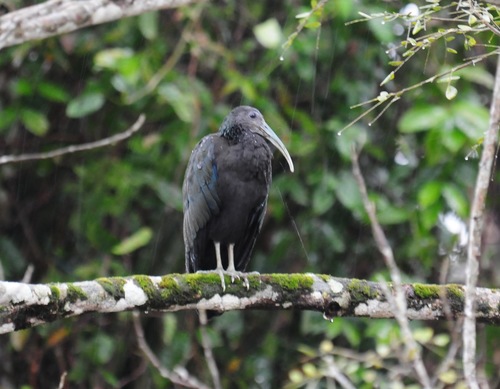 Green Ibis
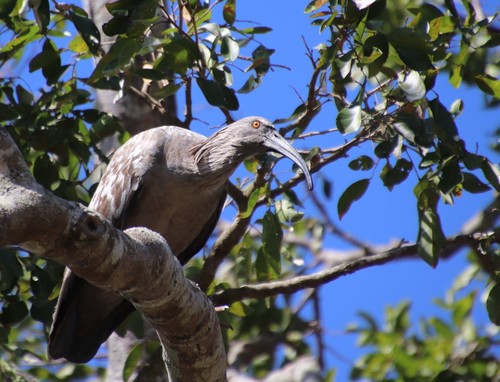 Plumbeous Ibis
In breve
Il segno di campo più affidabile tra Green Ibis e Plumbeous Ibis è il colore e la struttura complessivi: il Green Ibis appare compatto e di un verde scuro lucido, mentre il Plumbeous Ibis è molto più grande, di un grigio argenteo pallido e con gambe lunghe, con un aspetto notevolmente diverso. I giovani Green Ibis sono più opachi ma comunque più robusti e scuri di qualsiasi Plumbeous Ibis. In volo, il Green Ibis appare pesante e scuro con ali larghe, mentre il Plumbeous Ibis mostra parti inferiori più chiare e una silhouette più lunga e allungata. Il colore del becco e il colore delle gambe sono anche utili a distanza ravvicinata. Confondere questi due è più probabile in condizioni di scarsa illuminazione o con uccelli appollaiati a distanza, ma le differenze di dimensione e colore sono solitamente decisive.
Consigli di identificazione
- Size: Il Plumbeous Ibis è molto più grande e robusto del Green Ibis; se vedi due ibisi insieme e uno è chiaramente più grande, è probabile che sia il Plumbeous.
- Overall Color: Il Green Ibis è di un verde scuro lucido (adulti) o di un grigio scuro opaco (giovani), mentre il Plumbeous Ibis è di un grigio argenteo pallido a grigio bluastro con un ventre più chiaro e parti superiori macchiate.
- Bill Color and Shape: Il Green Ibis ha un becco lungo, sottile e curvato verso il basso di un verde pallido; il Plumbeous Ibis ha un becco più lungo, nero e curvato verso il basso con bordi seghettati. Il colore del becco è un segno forte a distanza ravvicinata.
- Leg Color: Il Green Ibis mostra gambe di un verde pallido; il Plumbeous Ibis ha gambe di un arancione rosato, che scuriscono durante la stagione di riproduzione.
- Bare Facial Skin: Il Green Ibis ha macchie di pelle facciale nuda grigia; il Plumbeous Ibis ha pelle nuda delle lore e della gola che è nera o grigia scura.
- Flight Silhouette: Il Green Ibis è compatto con ali larghe e un volo pesante e diretto; il Plumbeous Ibis appare con un collo più lungo e gambe più lunghe, con un aspetto più allungato in volo.
- Flight Plumage: Il Green Ibis è uniformemente scuro in volo (tutte le età); il Plumbeous Ibis mostra parti inferiori chiare e un forte contrasto con ali e coda più scure.
- Perched Posture: Il Green Ibis spesso si appollaia sugli alberi e appare con gambe corte e curvate; il Plumbeous Ibis sta più in alto e più dritto, spesso in zone umide aperte.
- Juvenile Plumage: Il giovane Green Ibis è opaco ma comunque più robusto e scuro di qualsiasi Plumbeous Ibis; nessuna età del Plumbeous Ibis è così scura nel complesso come il Green Ibis.
- Habitat Context: Il Green Ibis è più probabile trovarlo in zone umide forestali o lungo corsi d'acqua boschivi; il Plumbeous Ibis preferisce paludi aperte e praterie allagate.
- Behavior: Il Green Ibis è meno sociale, di solito solo o in coppie, e rimane ai margini di stormi misti; il Plumbeous Ibis può unirsi a stormi sciolti in inverno.
- Vocalization: Il Green Ibis emette un richiamo dolce e accelerato all'alba/tramonto; il Plumbeous Ibis urla forte e aggressivamente quando disturbato, specialmente vicino al nido.
- Iris Color: Il Plumbeous Ibis ha un'iride di un arancione profondo (a volte giallo bruno), un segno sottile ma potenzialmente utile a distanza ravvicinata; il colore dell'iride del Green Ibis non è distintivo.
- Confusion in Poor Light: In condizioni di scarsa illuminazione, il Green Ibis può apparire meno lucido e potrebbe essere confuso con altri ibisi scuri, ma rimane più robusto e con gambe più corte rispetto al Plumbeous.
- Seasonal Changes: Il colore delle gambe del Plumbeous Ibis scurisce durante la stagione di riproduzione, ma il piumaggio complessivo rimane pallido rispetto al Green Ibis tutto l'anno.
Taglia
Il Green Ibis è un ibis di dimensioni medie, che misura 45–60 cm di lunghezza e pesa 700–890 g. Il Plumbeous Ibis è molto più grande, con una lunghezza di 71–77 cm, con i maschi che hanno una lunghezza dell'ala di 397–450 mm e le femmine di 360–406 mm. Il becco del Plumbeous Ibis è anche significativamente più lungo (fino a 167 mm nei maschi) rispetto al Green Ibis. Sul campo, il Plumbeous Ibis apparirà molto più robusto, alto e con un collo più lungo rispetto al Green Ibis, che è relativamente compatto e con gambe corte.
Piumaggio
I giovani Green Ibis sono più opachi degli adulti ma comunque più robusti e scuri di qualsiasi Plumbeous Ibis di qualsiasi età; mancano delle tonalità argentee pallide e della maculatura del Plumbeous. Gli adulti di Green Ibis sono di un verde scuro lucido ovunque, con gambe e becco di un verde pallido e pelle facciale nuda grigia. In buona luce, questa lucentezza è distintiva; in scarsa luce, possono apparire semplicemente scuri. Gli adulti di Plumbeous Ibis sono di un grigio pallido a bluastro o grigio verdastro, con parti inferiori più chiare e piume dorsali macchiate di grigio-marrone. Le loro piume di volo e di coda sono di un marrone scuro o nero con una lucentezza bronzo verdastra, ma l'impressione complessiva è molto più pallida rispetto al Green Ibis. La testa del Plumbeous Ibis è di un marrone scuro con una sfumatura verdastra, e la gola e il collo possono mostrare tonalità marroni chiare o rosate. In volo, il Green Ibis è uniformemente scuro, mentre il Plumbeous Ibis mostra un forte contrasto tra il corpo pallido e le ali e la coda più scure.
Comportamento
Il Green Ibis è meno gregario, spesso visto solo o in coppie, e si appollaia regolarmente sugli alberi. Il suo volo è pesante e diretto, con il collo allungato e battiti d'ala più irregolari, e plana meno rispetto ad altri ibisi. Anche il Plumbeous Ibis spesso cerca cibo da solo o in coppie, ma può unirsi a stormi sciolti in inverno. Cerca cibo camminando lentamente attraverso acque poco profonde, sondando rapidamente con il suo becco, ed è aggressivo nella difesa del nido. Entrambe le specie possono essere viste in stormi misti, ma il Green Ibis tende a rimanere ai margini.
Habitat
Il Green Ibis preferisce zone umide forestali, paludi e margini di fiumi o laghi, spesso appollaiandosi sugli alberi e trovandosi fino a 500 m di altitudine dalla Costa Rica a nord dell'Argentina. Il Plumbeous Ibis è endemico del centro del Sud America ed è tipicamente trovato in zone umide aperte, paludi e praterie allagate. Anche se entrambi possono essere visti in habitat umidi, il Green Ibis è più associato a aree boschive o boscose, mentre il Plumbeous Ibis favorisce il paese aperto.
Voce
Il Green Ibis emette un richiamo vuoto, hootante e accelerato, trascritto come 'kro kro' o 'koro koro', descritto come dolce e più spesso udito all'alba e al tramonto. Il Plumbeous Ibis è molto vocale quando disturbato, urlando forte e colpendo con il suo becco, specialmente vicino al nido. Le vocalizzazioni sono abbastanza diverse nel tono e nel contesto, con il Green Ibis che è più sobrio e il Plumbeous Ibis più aggressivo e rauco.