

Green-backed Camaroptera vs Yellow-breasted Apalis
Camaroptera brachyura contro Apalis flavida
Fai un quiz con Green-backed Camaroptera e Yellow-breasted Apalis
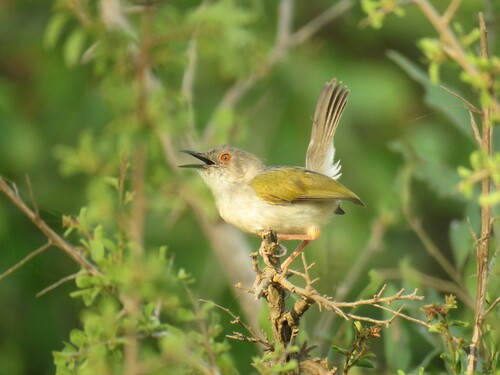 Green-backed Camaroptera
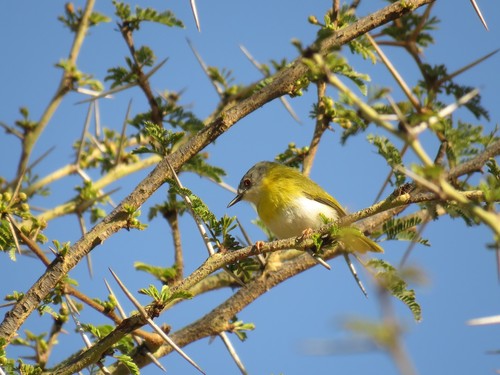 Yellow-breasted Apalis
In breve
Il segno distintivo più affidabile tra Green-backed Camaroptera e Yellow-breasted Apalis è il colore delle parti inferiori: Green-backed Camaroptera mostra parti inferiori grigio-biancastre (con i giovani più chiari e giallastri sul petto), mentre Yellow-breasted Apalis ha un petto distintamente giallo. Entrambi sono piccoli, attivi e si trovano in copertura densa, ma Camaroptera è leggermente più pesante e appare più verde oliva sopra, mentre Apalis è più leggero e prende il nome per le sue parti inferiori gialle. I giovani Camaroptera possono mostrare un po' di giallo sul petto, ma mai il chiaro e ampio giallo di Apalis. Entrambe le specie sono simili in dimensioni e struttura, quindi concentrati sul colore delle parti inferiori e sul tono delle parti superiori per la separazione.
Consigli di identificazione
- Il colore delle parti inferiori è il segno distintivo più affidabile: Green-backed Camaroptera ha parti inferiori grigio-biancastre (adulti), mentre Yellow-breasted Apalis mostra un petto giallo chiaro (adulti e immaturi).
- I giovani Camaroptera possono mostrare una leggera sfumatura gialla sul petto, ma questa non è mai così brillante o estesa come il giallo di Apalis. Se il giallo è debole e limitato, sospetta Camaroptera; se forte e ovvio, Apalis.
- Le parti superiori differiscono: Camaroptera è verde sopra con ali olive, mentre Apalis manca di questo tono verdastro e appare meno oliva nel complesso.
- Non sono descritti segni distintivi sulle ali o sul volo per nessuna delle due specie a qualsiasi età, quindi non fare affidamento sui pannelli delle ali superiori o sui bordi posteriori.
- Entrambi sono piccoli e snelli, ma Camaroptera è leggermente più pesante (10.0g vs 8.2g), anche se questo è raramente utile sul campo.
- I sessi sono simili in entrambe le specie, quindi non aspettarti che il dimorfismo sessuale possa aiutare.
- Il comportamento è simile: entrambi sono attivi in copertura densa, ma Camaroptera è particolarmente furtivo e vicino al suolo. Se l'uccello è persistentemente basso e nascosto, è più probabile che sia Camaroptera.
- Indizio per la costruzione del nido: Camaroptera lega insieme le foglie per il suo nido; se vedi questo comportamento, è diagnostico.
- L'overlap dell'habitat è alto: entrambi si trovano in cespugli densi e cespugli, quindi non usare l'habitat da solo a meno che tu non noti la preferenza di Camaroptera per la copertura più bassa e densa.
- Non sono descritte forti differenze vocali nelle note fornite, quindi non fare affidamento su richiami o canti per la separazione qui.
- Se vedi un uccello con un dorso verde e ali olive, e parti inferiori che non sono chiaramente gialle, è quasi certamente Camaroptera.
- Se il petto è distintamente giallo e l'uccello manca di un dorso verde, è Apalis.
- In scarsa luce, fai attenzione che i giovani Camaroptera possono apparire più gialli degli adulti, ma mai così brillanti come Apalis.
- Se non sei sicuro, dai priorità al colore delle parti inferiori e al tono delle parti superiori rispetto a dimensioni o comportamento.
- Recenti cambiamenti tassonomici significano che alcune guide sul campo possono raggruppare o separare queste specie in modo diverso; controlla sempre l'ultima lista di controllo regionale se hai dubbi.
Taglia
Green-backed Camaroptera è marginalmente più pesante (10.0g) di Yellow-breasted Apalis (8.2g) [wikidata], ma questa differenza è sottile sul campo. Entrambi sono uccelli molto piccoli e snelli, e la dimensione da sola non è un separatore affidabile. Se visti fianco a fianco, Camaroptera può apparire leggermente più robusto, ma l'overlap è considerevole.
Piumaggio
- Juvenile/immaturo: I giovani Green-backed Camaroptera sono più chiari e giallastri sul petto, ma di solito si tratta di una leggera sfumatura e mai così brillante o estesa come il giallo di Yellow-breasted Apalis. Non sono descritti segni distintivi sulle ali superiori o sul volo per nessuna delle due specie a qualsiasi età.
- Adulto: Green-backed Camaroptera ha parti superiori verdi, ali olive e parti inferiori grigio-biancastre; entrambi i sessi sono simili. Yellow-breasted Apalis (adulto) prende il nome dal suo petto giallo, che è il segno distintivo chiave. Le parti inferiori di Camaroptera sono sempre più grigiose o bianco sporco, mai veramente gialle tranne che per una leggera sfumatura giovanile. Apalis manca delle parti superiori verdi di Camaroptera, apparendo meno oliva nel complesso.
Comportamento
Entrambe le specie sono warblers attivi e insettivori che si nascondono nella vegetazione densa. Green-backed Camaroptera è particolarmente noto per rimanere basso in copertura fitta e raramente viene visto in aperto. Entrambi possono essere visti muoversi rapidamente tra i cespugli, ma Camaroptera è più propenso a legare insieme le foglie per il nido, un comportamento non notato per Apalis. In generale, il comportamento non è un forte separatore tra questi due a meno che non venga osservata la costruzione del nido.
Habitat
Entrambe le specie abitano aree dense e cespugliose nell'Africa sub-sahariana. Green-backed Camaroptera si trova tipicamente basso in copertura densa, spesso in cespugli o sottobosco. Anche Yellow-breasted Apalis preferisce habitat simili, quindi l'habitat da solo non è un separatore affidabile a meno che gli uccelli non siano visti a diverse altezze (Camaroptera tende a rimanere più in basso).
Green-backed Camaroptera · Yellow-breasted Apalis · I miei uccelli difficili