

Greater Striped Swallow vs Lesser Striped Swallow
Cecropis cucullata contro Cecropis abyssinica
Fai un quiz con Greater Striped Swallow e Lesser Striped Swallow
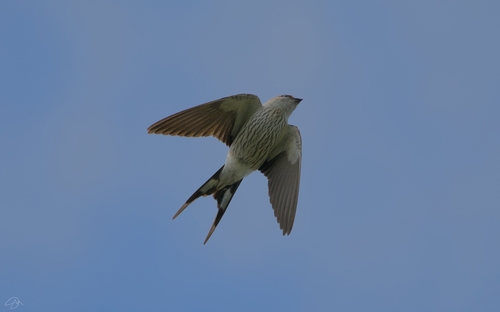 Greater Striped Swallow
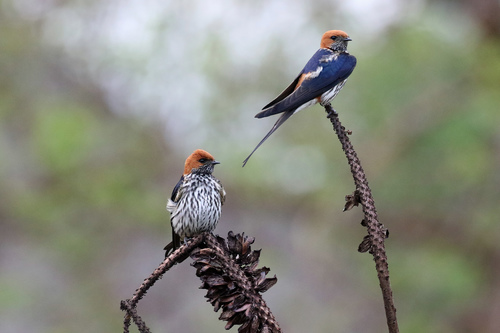 Lesser Striped Swallow
In breve
Il segno di campo più affidabile tra Greater Striped Swallow e Lesser Striped Swallow è il colore del sottocoda: Greater ha un sottocoda arancione pallido, mentre Lesser mostra un sottocoda rosso più profondo. Le striature sul ventre sono anche fondamentali: Lesser ha striature più pesanti e scure sotto, mentre quelle di Greater sono più fini e meno pronunciate. Il colore della testa differisce sottilmente: la corona e la nuca di Greater sono castagne, quelle di Lesser sono di un castano-rossiccio più brillante. I giovani di entrambi sono più opachi e marroni, ma gli stessi contrasti si applicano. Entrambe le specie hanno lunghe penne esterne della coda, ma Greater è decisamente più grande e preferisce habitat più aperti e collinari.
Consigli di identificazione
- Colore del sottocoda: Cerca il sottocoda in volo o quando è appollaiato—quello di Greater è arancione pallido, quello di Lesser è un rosso più profondo e ricco. Questo è spesso il segno di campo più rapido.
- Striature sul ventre: Lesser ha striature molto più pesanti e scure sul petto e sull'addome, mentre quelle di Greater sono più fini e meno pronunciate. Questo è visibile sia negli uccelli appollaiati che in volo, ma è particolarmente utile quando si osserva da sotto.
- Colore della testa: La corona, la nuca e i lati della testa di Greater sono castagne; quelli di Lesser sono di un castano-rossiccio più brillante. Questo può essere sottile e influenzato dalla luce, ma è utile a distanza ravvicinata.
- Copritrici sottoala: Quelle di Greater sono bianche crema, quelle di Lesser sono fulve. Questo è un segno sottile, meglio visibile in buona luce o in foto.
- Lunghezza e forma della coda: Entrambe le specie hanno code lunghe e profondamente forked con penne esterne molto lunghe, leggermente più lunghe nei maschi. La coda di Greater è proporzionalmente più lunga a causa della sua dimensione maggiore, ma questo non è sempre ovvio a meno che non si confrontino fianco a fianco.
- Piumaggio giovanile: I giovani di entrambi sono più opachi e marroni, ma le differenze nel sottocoda e nelle striature persistono. Il giovane Lesser mostra ancora striature più pesanti e un sottocoda rosso più profondo.
- Dimensione: Greater è più grande (18–20 cm) di Lesser (15–19 cm), ma questo può essere difficile da giudicare a meno che entrambi non siano insieme.
- Stile di volo: Il volo di Greater è lento e galleggiante; quello di Lesser è più erratico. Questo è un segno di supporto, non diagnostico da solo.
- Habitat: Greater preferisce aree aperte, collinari o montuose e evita i boschi; Lesser può essere trovato in una gamma più ampia di habitat aperti, a volte meno aperti di quanto preferisca Greater.
- Vocalizzazioni: Ascolta il cinguettio di Greater 'chissick' rispetto al nasale 'zeh zeh zeh' di Lesser. Questo è un aiuto sottile, meglio usato con altri segni.
- Copritrici auricolari: Quelle di Lesser sono rossicce, quelle di Greater sono color crema. Questo è un dettaglio fine, raramente diagnostico sul campo ma può aiutare in viste ravvicinate o in foto.
- Contesto: Nell'Africa meridionale, entrambe le specie possono essere presenti, ma Greater è più probabile in paesaggi aperti e collinari, mentre Lesser è più diffuso e può essere trovato in una gamma più ampia di habitat aperti.
- Siti di nidificazione: Entrambi utilizzano strutture artificiali, quindi la posizione del nido da sola non li separa.
- Trappole: La luce può influenzare la percezione del colore del sottocoda e della testa; controlla sempre più segni. I giovani sono particolarmente difficili—concentrati sul colore del sottocoda e sulle striature del ventre.
- Variazione delle sottospecie: Lesser ha diverse sottospecie con striature variabili, ma tutte hanno striature più pesanti di quelle di Greater.
Taglia
Greater Striped Swallow è la specie più grande, misurando 18–20 cm di lunghezza, rispetto ai 15–19 cm di Lesser. Questa differenza di dimensione è sottile sul campo ma può essere evidente con un confronto diretto o in stormi misti. Entrambi hanno code lunghe e profondamente forked, con i maschi di entrambe le specie che mostrano penne esterne della coda leggermente più lunghe. Le proporzioni del becco e delle ali sono simili e non sono affidabili per la diagnosi a distanza.
Piumaggio
- Giovani/immaturi: I giovani di entrambe le specie sono più opachi e marroni nel complesso, con meno contrasto e penne esterne della coda più corte rispetto agli adulti. Le stesse differenze nel sottocoda e nelle striature si applicano: il sottocoda di Greater rimane arancione pallido, quello di Lesser è rosso più profondo; le striature di Lesser sotto sono sempre più pesanti e scure.
- Adulti: Greater ha parti superiori blu scuro, un sottocoda arancione pallido e una corona/nuca/lati della testa castagne. Le parti inferiori e le copritrici sottoala sono bianche crema con fini striature scure. Lesser ha parti superiori blu scuro, un sottocoda rosso e una corona/nuca/lati della testa di un castano-rossiccio più brillante. Le parti inferiori sono bianche con pesanti striature scure, e le copritrici sottoala sono fulve. Entrambi hanno penne di volo superiori e inferiori di colore marrone scuro e una lunga coda forked di colore marrone scuro.
Comportamento
Entrambe le specie si nutrono principalmente di insetti volanti, a volte prendendo piccoli frutti. Il volo di Greater Striped Swallow è descritto come lento e galleggiante, mentre quello di Lesser è più erratico. Entrambi sono a loro agio intorno all'abitazione umana e utilizzano facilmente strutture artificiali per nidificare. Entrambe le specie non hanno paura degli esseri umani e possono essere viste appollaiate sui fili o volare basse su terreni aperti.
Habitat
Greater Striped Swallow favorisce paesaggi asciutti e aperti—specialmente praterie, colline e montagne—e evita le aree boschive. Si trova spesso vicino all'abitazione umana e ha beneficiato di siti di nidificazione artificiali. Lesser Striped Swallow è più diffuso nell'Africa subsahariana ed è relativamente sedentario, ma utilizza anche paesaggi aperti e strutture artificiali. Lesser è più probabile che venga trovato in habitat meno aperti rispetto a Greater, ma entrambi si sovrappongono ampiamente nell'Africa meridionale.
Voce
Greater Striped Swallow emette un richiamo cinguettante 'chissick'. Il richiamo di Lesser Striped Swallow è un nasale 'zeh zeh zeh zeh zeh.' Queste differenze vocali sono sottili e possono essere difficili da separare sul campo senza esperienza, ma possono supportare l'identificazione se udite chiaramente.
Greater Striped Swallow · Lesser Striped Swallow · I miei uccelli difficili