

Moretta grigia vs Lesser Scaup
Aythya marila contro Aythya affinis
Fai un quiz con Moretta grigia e Lesser Scaup
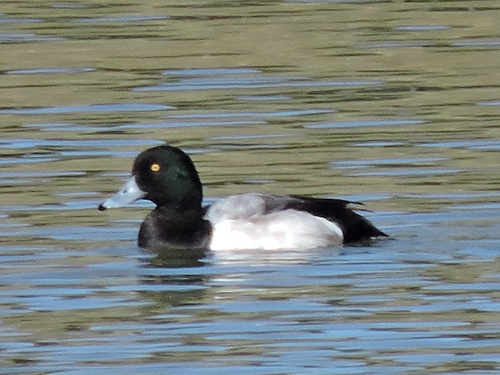 Moretta grigia
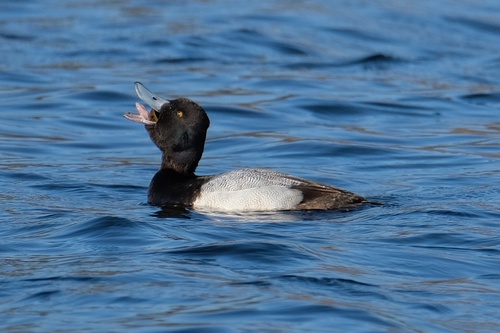 Lesser Scaup
In breve
Il segno di campo più affidabile per separare la Moretta grigia e la Lesser Scaup è l'estensione della striscia bianca alare in volo: la Moretta grigia mostra una striscia bianca che va dalle secondarie fino alle primarie, mentre la Lesser Scaup ha bianco solo sulle secondarie, con le primarie che appaiono molto più grigie. Questo segno funziona meglio sugli adulti e sugli immaturi più vecchi in volo. A riposo, la Moretta grigia è più robusta con una testa più rotonda e piena e un becco più largo e spatolato, mentre la Lesser Scaup appare più compatta con una corona posteriore appuntita o angolare e un becco più stretto. Le femmine e gli immaturi sono particolarmente difficili, ma prestando attenzione alla forma della testa, alla larghezza del becco e alla quantità di bianco alla base del becco si può aiutare. Entrambe le specie possono trovarsi insieme in grandi stormi, quindi il confronto diretto è spesso possibile.
Consigli di identificazione
- Striscia bianca alare in volo: Cerca l'estensione del bianco sulla parte superiore dell'ala. La Moretta grigia mostra bianco dalle secondarie alle primarie (quasi fino alla punta dell'ala); la Lesser Scaup ha bianco solo sulle secondarie, con primarie grigie. Questo è il segno migliore per tutte le età in volo.
- Forma della testa a riposo: La Moretta grigia ha una testa rotonda e piena con una fronte alta e una nuca che scende dolcemente. La Lesser Scaup ha una corona posteriore più angolare o appuntita, a volte formando un piccolo ciuffo, e una fronte meno prominente. Confronta gli uccelli fianco a fianco se possibile.
- Forma del becco: La Moretta grigia ha un becco più largo e spatolato, specialmente verso la punta. Il becco della Lesser Scaup è più stretto e dritto. Questo è sottile ma visibile da vicino o in foto.
- Unghia del becco: L'unghia nera alla punta del becco è solitamente più larga sulla Moretta grigia, ma è difficile da giudicare a meno che non si sia molto vicini.
- Corpo robusto: La Moretta grigia è visibilmente più robusta e pesante, specialmente se vista accanto alla Lesser Scaup. Tuttavia, la sovrapposizione delle dimensioni e la postura possono ingannare, quindi usa in combinazione con altri segni.
- Colore del fianco e della schiena (maschi adulti): I maschi di Moretta grigia hanno fianchi bianchi brillanti e una schiena più chiara e più vermicolata. La Lesser Scaup ha schiene e fianchi più scuri con toni olivastri. L'illuminazione e l'usura delle piume possono oscurare questo.
- Lucentezza della testa (maschi adulti): La testa della Moretta grigia può mostrare una lucentezza verde o viola; la Lesser Scaup è spesso descritta come viola. Tuttavia, il colore della lucentezza varia con la luce ed è inaffidabile a distanza.
- Schema facciale di femmine e immaturi: Entrambi hanno una macchia bianca alla base del becco, ma le femmine e gli immaturi di Lesser Scaup di solito hanno meno bianco, e a volte quasi nessuno. Questo è variabile e non sempre affidabile.
- Confusione tra giovanili/immaturi: I giovanili e gli uccelli di primo inverno di entrambe le specie sono molto simili. Fai affidamento sulla striscia alare in volo e sui segni strutturali piuttosto che sul piumaggio.
- Stormi misti: In Nord America, entrambe le specie si trovano spesso insieme. Confronta gli individui fianco a fianco per i migliori risultati.
- Contesto dell'habitat: In Eurasia, gli scaup sono quasi sempre Moretta grigia; in Nord America, entrambe le specie sono possibili, specialmente su grandi laghi e acque costiere.
- Comportamento: Entrambi si tuffano per cercare cibo e formano grandi zattere; il comportamento non è un forte separatore.
- Voce: Non è un segno pratico per la separazione.
- Attenzione alla sovrapposizione: Molti segni sono sottili e variabili. Usa una combinazione di schema alare, forma della testa e struttura del becco per la migliore possibilità di identificazione corretta, specialmente in femmine e immaturi.
- Fotografa per studio successivo: In caso di dubbio, scatta foto che mostrano l'ala in volo e la testa/becco di profilo per un confronto successivo.
Taglia
La Moretta grigia è generalmente più grande e robusta della Lesser Scaup, con una lunghezza di 39–56 cm e un'apertura alare di 71–84 cm, rispetto alla lunghezza di 38–48 cm e all'apertura alare di 68–78 cm della Lesser Scaup. La Moretta grigia è circa il 20% più pesante e il 10% più lunga in media, anche se c'è sovrapposizione. Sul campo, la Moretta grigia appare spesso visibilmente più robusta, specialmente in stormi misti, ma la dimensione da sola non è sempre affidabile a causa della sovrapposizione e della postura.
Piumaggio
- In volo (tutte le età): Il segno più diagnostico è la striscia bianca alare. La Moretta grigia mostra una striscia bianca che si estende dalle secondarie fino alle primarie, raggiungendo quasi la punta dell'ala. La Lesser Scaup ha bianco solo sulle secondarie; le primarie sono grigie, quindi la striscia bianca si ferma prima della punta dell'ala. Questo è più visibile in buona luce e su uccelli con piumaggio fresco.
- Maschi adulti: Entrambi hanno teste scure con iridescenza, ma la testa della Moretta grigia è più rotonda e la lucentezza può essere verde o viola a seconda della luce, mentre la testa della Lesser Scaup è più appuntita con un piccolo ciuffo sulla corona posteriore e la lucentezza è spesso descritta come viola (ma questo è inaffidabile sul campo). I maschi di Moretta grigia hanno una schiena più chiara e più vermicolata e fianchi bianchi più brillanti; i maschi di Lesser Scaup hanno una schiena più scura e più oliva sui fianchi.
- Femmine e immaturi: Entrambi sono marroni con una macchia bianca alla base del becco, ma le femmine e gli immaturi di Lesser Scaup tendono ad avere meno bianco attorno al becco e un aspetto complessivamente più opaco. I giovanili di entrambe le specie somigliano a femmine adulte, ma i giovanili di Lesser Scaup spesso hanno quasi nessun bianco alla base del becco. Le femmine di Moretta grigia sono più robuste con una testa più rotonda e un becco più largo.
- Eclissi/variazione del piumaggio: I maschi in piumaggio di eclissi di entrambe le specie sembrano più femmine, ma la Moretta grigia mantiene un aspetto leggermente più chiaro e robusto.
Comportamento
Entrambe le specie sono anatre tuffatrici e formano spesso grandi stormi ('zattere'), a volte misti. La Moretta grigia può formare zattere molto grandi e dense, a volte numerando migliaia di esemplari. Entrambi si tuffano per cercare cibo, ma non ci sono forti differenze comportamentali nella ricerca di cibo o nella formazione di stormi visibili a distanza. Le esibizioni di corteggiamento sono complesse in entrambe, ma di solito non sono un segno di campo.
Habitat
Entrambe le specie si trovano insieme in inverno su grandi laghi, baie costiere e estuari. La Moretta grigia è più probabile che si trovi sulle coste di acqua salata in Eurasia, mentre la Lesser Scaup è più strettamente nordamericana e può essere trovata più all'interno. L'habitat non è un forte separatore negli stormi misti nordamericani, ma in Eurasia, gli scaup sono quasi sempre Moretta grigia.