

Greater Prairie-Chicken vs Spruce Grouse
Tympanuchus cupido contro Canachites canadensis
Fai un quiz con Greater Prairie-Chicken e Spruce Grouse
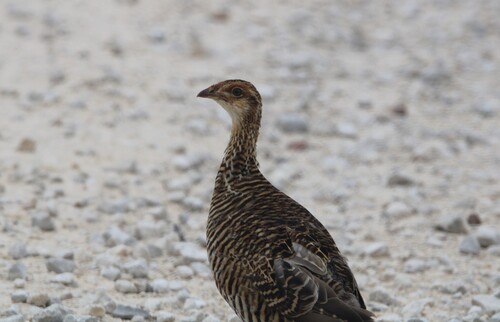 Greater Prairie-Chicken
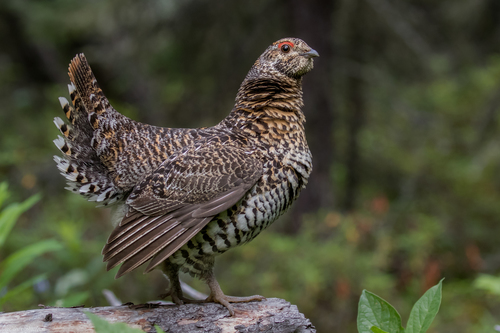 Spruce Grouse
In breve
Il segno di campo più affidabile per separare il Greater Prairie-Chicken dallo Spruce Grouse è la combinazione della struttura corporea generale e delle caratteristiche della testa/faccia: il Greater Prairie-Chicken è un uccello molto più grande e robusto con una coda arrotondata e, nei maschi, sacche d'aria arancioni prominenti e piume della testa allungate, mentre lo Spruce Grouse è più piccolo, più snello e ha una coda più corta; i maschi dello Spruce Grouse mostrano un pettine rosso sopra l'occhio ma mancano degli ornamenti al collo del Prairie-Chicken. In volo, entrambi sono simili a polli, ma il Greater Prairie-Chicken appare più massiccio con ali più larghe e arrotondate e una coda arrotondata più evidente. Le femmine e i giovani dello Spruce Grouse sono più criptici e possono essere confusi con altri galliformi, ma le caratteristiche uniche della testa e del collo del Prairie-Chicken (nei maschi) e la dimensione maggiore sono indizi forti. L'habitat è un separatore importante: il Prairie-Chicken è ora ristretto a praterie aperte, mentre lo Spruce Grouse si trova in fitte foreste di conifere boreali.
Consigli di identificazione
- Size and bulk: Il Greater Prairie-Chicken è molto più grande e pesante dello Spruce Grouse; se l'uccello appare delle dimensioni di un pollo o più grande, specialmente con un corpo robusto e un collo spesso, è probabile che sia un Prairie-Chicken. Lo Spruce Grouse è più compatto e leggero.
- Tail shape: Il Prairie-Chicken ha una coda corta e arrotondata; lo Spruce Grouse ha una coda più corta e quadrata, con le femmine che mostrano una banda chiara all'estremità (il Prairie-Chicken manca di questa banda).
- Head and neck features (males): Il maschio del Prairie-Chicken ha pettini arancioni sopra gli occhi, piume della testa scure allungate e sacche d'aria arancioni (specialmente visibili durante il corteggiamento); il maschio dello Spruce Grouse ha un pettine rosso sopra l'occhio ma nessuna sacca al collo o piume della testa allungate.
- Female/juvenile confusion: Le femmine e i giovani dello Spruce Grouse sono maculati di marrone o grigio con parti inferiori barrate e una coda scura con un'estremità chiara; mancano di ornamenti alla testa o al collo. La femmina del Prairie-Chicken è più grande, con un volto semplice e manca della banda della coda dello Spruce Grouse.
- Plumage contrast (males): Il maschio dello Spruce Grouse è grigio sopra, nero sotto, con macchie bianche sui lati e un pettine rosso sopra l'occhio; il maschio del Prairie-Chicken è barrato di marrone e buff con caratteristiche facciali e del collo arancioni.
- Flight style: Il Prairie-Chicken appare pesante e diretto in volo, con ali larghe e arrotondate e una coda arrotondata; lo Spruce Grouse è più leggero, con un volo fluttuante e a breve distanza tra gli alberi.
- Perching behavior: Lo Spruce Grouse è spesso visto posato su conifere, a volte in alto sugli alberi; il Prairie-Chicken è quasi sempre a terra in aree aperte.
- Habitat context: Il Prairie-Chicken si trova solo in praterie aperte; lo Spruce Grouse è strettamente nelle foreste di conifere boreali. Se ti trovi in fitte foreste di abete o pino, è uno Spruce Grouse.
- Display behavior: I maschi del Prairie-Chicken si esibiscono nei lek con richiami rimbombanti e sacche d'aria gonfiate; i maschi dello Spruce Grouse possono eseguire esibizioni di battito d'ali ma non gonfiano mai le sacche al collo.
- Vocalizations: Un forte e risonante richiamo è diagnostico del Prairie-Chicken; lo Spruce Grouse è per lo più silenzioso, con solo suoni meccanici sottili.
- Bill and face: Il Prairie-Chicken ha un becco più spesso e robusto e un volto semplice (femmina) o un pettine arancione (maschio); lo Spruce Grouse ha un becco più fine e, nei maschi, un pettine rosso sopra l'occhio.
- Abundance and range: Il Prairie-Chicken è ora raro e altamente localizzato, principalmente in praterie gestite; lo Spruce Grouse è diffuso nelle foreste boreali in tutto il Canada e nel nord degli Stati Uniti.
- Seasonal confusion: Durante l'inverno, il Prairie-Chicken può formare stormi in campi aperti; lo Spruce Grouse rimane nell'habitat forestale tutto l'anno.
- Juvenile confusion: I giovani dello Spruce Grouse assomigliano alle femmine e possono essere confusi con altri galliformi, ma il modello della coda (banda chiara) e l'habitat sono indizi.
- Common pitfalls: La femmina del Prairie-Chicken potrebbe essere confusa con la femmina dello Spruce Grouse a distanza, ma dimensione, forma della coda e habitat sono forti separatori. Considera sempre il contesto e più segni insieme.
Taglia
Il Greater Prairie-Chicken è significativamente più grande: gli adulti sono lunghi circa 43 cm (17 in), con un'apertura alare di 69,5–72,5 cm (27,4–28,5 in) e pesano 700–1.200 g (25–42 oz) [wikipedia]. Lo Spruce Grouse è più piccolo, lungo 38–43 cm (15–17 in), apertura alare 55–57 cm (21,5–22,6 in), e i maschi pesano 550–650 g (19–23 oz), le femmine 450–550 g (16–19 oz) [wikipedia]. Il Prairie-Chicken non è solo più lungo ma molto più massiccio e pesante, con una costruzione più robusta e ali e coda più arrotondate.
Piumaggio
Nessun modello distintivo di ali superiori per giovani o immaturi è descritto per nessuna delle due specie nelle fonti. Per gli adulti, il maschio del Greater Prairie-Chicken è inconfondibile con pettini arancioni sopra gli occhi, piume della testa scure allungate e sacche d'aria arancioni (visibili durante il corteggiamento); le femmine sono più semplici ma ancora più grandi e robuste rispetto allo Spruce Grouse. I maschi dello Spruce Grouse sono per lo più grigi sopra e neri sotto, con macchie bianche sui lati e un pettine rosso sopra l'occhio, privi di sacche al collo o piume della testa allungate. Le femmine dello Spruce Grouse sono maculate di marrone o grigio con parti inferiori barrate e una coda scura con una banda terminale chiara; mancano delle caratteristiche della testa/collo del Prairie-Chicken. I giovani dello Spruce Grouse assomigliano alle femmine. Il modello della coda è un utile controllo: il Prairie-Chicken ha una coda corta e arrotondata, mentre lo Spruce Grouse ha una coda più corta e quadrata con una banda chiara all'estremità nelle femmine.
Comportamento
Il Greater Prairie-Chicken è principalmente terrestre, visto camminare o correre in praterie aperte e esibirsi nei lek con rimbombi drammatici e gonfiaggio delle sacche al collo (maschi). Lo Spruce Grouse, al contrario, è più arboricolo rispetto alla maggior parte dei galliformi, spesso posato su alberi di conifere, muovendosi tra i rami, ed è generalmente più confidente e meno diffidente. In volo, il Prairie-Chicken è pesante e diretto, con forti battiti d'ali arrotondati e una coda corta e arrotondata; lo Spruce Grouse è più leggero, spesso volando brevi distanze tra gli alberi, con un volo più fluttuante e meno appariscente (eccetto per l'esibizione di battito d'ali in alcuni maschi).
Habitat
L'habitat è un separatore chiave: il Greater Prairie-Chicken è ora ristretto a macchie residue di prateria aperta e pascoli nel centro del Nord America ed è assente dalle foreste. Lo Spruce Grouse è strettamente un uccello delle foreste di conifere boreali (taiga), specialmente abete, pino e abete, in tutto il Canada e nel nord degli Stati Uniti. Non troverai il Prairie-Chicken in fitte foreste o lo Spruce Grouse in praterie aperte.
Voce
I maschi del Greater Prairie-Chicken sono famosi per i loro profondi richiami di corteggiamento, prodotti con le loro sacche al collo gonfiate, e danno anche cackle e cluck. Lo Spruce Grouse è tra i galliformi più silenziosi, con solo pochi richiami morbidi e suoni non vocali (battiti d'ali, tambureggiamenti, fruscii della coda) usati principalmente in esibizioni o allerta. Se senti un forte e risonante rimbombo, è un Greater Prairie-Chicken; è improbabile che si senta lo Spruce Grouse tranne per suoni meccanici sottili.
Greater Prairie-Chicken · Spruce Grouse · I miei uccelli difficili