

Greater Lophorina vs Long-billed White-eye
Lophorina latipennis contro Rukia longirostra
Fai un quiz con Greater Lophorina e Long-billed White-eye
 Greater Lophorina
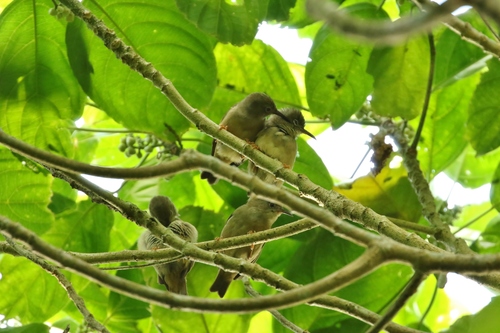 Long-billed White-eye
In breve
Il modo più affidabile per separare il Greater Lophorina dal Long-billed White-eye è attraverso la struttura generale e il piumaggio: i maschi di Greater Lophorina sono sorprendentemente neri con un petto blu-verde iridescente e elaborate cappe di piume, mentre i Long-billed White-eye sono uccelli semplici, piccoli, di un colore bruno-olivastro pallido con un becco distintamente lungo e curvato verso il basso e zampe arancioni. Le femmine e i giovani di Greater Lophorina sono di un marrone rossiccio con parti inferiori a strisce color crema, ma sono comunque più robusti e scuri di qualsiasi white-eye. In volo o posati, il lungo e snello becco del white-eye e il corpo compatto contrastano nettamente con la costruzione più robusta del lophorina e, nei maschi, con le caratteristiche di display flamboyant. L'habitat e l'areale sono anche diagnostici: il Greater Lophorina è uno specialista montano della Nuova Guinea, mentre il Long-billed White-eye è endemico di Pohnpei, Micronesia.
Consigli di identificazione
- Dimensioni: Il Greater Lophorina è circa due volte più lungo e molto più robusto del Long-billed White-eye; utilizza questo quando entrambi sono visti vicino a specie o oggetti familiari.
- Forma del becco: Il Long-billed White-eye ha un becco lungo, snello e curvato verso il basso, molto diverso dal becco più robusto e dritto del lophorina. Questo è ovvio nelle viste di profilo.
- Piumaggio del maschio adulto: Il maschio di Greater Lophorina è nero lucido con un petto e una corona blu-verde iridescenti, e una drammatica cappa di piume; nessun white-eye è remotamente simile.
- Piumaggio femminile/immaturo: Le femmine e i giovani di lophorina sono marrone rossiccio sopra con parti inferiori a strisce color crema, più scuri e ricchi rispetto all'uniforme bruno-olivastro pallido del white-eye.
- Colore delle zampe: Il Long-billed White-eye ha zampe arancioni, un segno sottile ma utile a distanza ravvicinata; le zampe del lophorina non sono descritte come arancioni.
- Anello oculare: Anche se non dettagliato nelle note, i white-eye mostrano tipicamente un anello oculare pallido, assente nel lophorina.
- Comportamento: Se vedi un uccello che esegue un elaborato display con una cappa e uno scudo, è un maschio di lophorina. I white-eye non si esibiscono mai in questo modo.
- Comportamento alimentare: Il Long-billed White-eye è spesso visto nutrirsi di nettare nella chioma degli alberi, a volte con altri piccoli uccelli; il lophorina cerca cibo in modo diverso ed è più spesso visto esibirsi o muoversi da solo.
- Habitat e areale: Se ti trovi nella foresta montana della Nuova Guinea, sospetta il lophorina; se sei a Pohnpei, è il white-eye.
- Vocalizzazioni: Ascolta un 'tseer' alto e discendente per il white-eye; richiami di display forti e complessi per il lophorina.
- Jizz in volo: Il white-eye è compatto, veloce e agile; il lophorina è più grande, più pesante e meno incline a fare movimenti rapidi e veloci.
- Dimorfismo sessuale: Solo il lophorina mostra un forte dimorfismo sessuale; i sessi del white-eye sono simili.
- Contesto di display: Qualsiasi uccello visto preparare un'area di display o eseguire una danza con una cappa di piume è un maschio di lophorina.
- Trappole del piumaggio: I giovani lophorina potrebbero essere confusi con altri uccelli marroni, ma non con il white-eye, che è molto più piccolo, più chiaro e più delicato.
- Contesto stagionale: Entrambe le specie sono residenti; il piumaggio non cambia stagionalmente in un modo che possa causare confusione.
Taglia
Il Greater Lophorina è significativamente più grande e robusto del Long-billed White-eye. Il lophorina raggiunge circa 26 cm (10 pollici) di lunghezza, mentre il white-eye è molto più piccolo a 13 cm (5,1 pollici). Il white-eye pesa circa 20 g, rendendolo un uccello leggero e compatto rispetto al più robusto lophorina. Sul campo, la differenza di dimensioni è ovvia quando sono visti fianco a fianco o con specie di riferimento familiari.
Piumaggio
Il maschio adulto di Greater Lophorina è inconfondibile: nero lucido in generale con una corona verde iridescente, uno scudo petto blu-verde e una lunga cappa di piume nera e vellutata che può essere eretta durante il display. Le femmine e i giovani di lophorina sono marrone rossiccio sopra con parti inferiori a strisce marroni, privi delle caratteristiche iridescenti ma comunque molto più scuri e ricchi di colore rispetto a qualsiasi white-eye. Il Long-billed White-eye, al contrario, è uniformemente bruno-olivastro pallido senza iridescenza o forti motivi, e mostra sempre zampe arancioni e un anello oculare bianco (non esplicitamente menzionato nelle note ma tipico dei white-eye). Non sono descritti segni specifici di ali o schemi di volo per nessuna delle due specie, quindi la separazione si basa sul colore generale, sulla struttura e (per i maschi) sulle caratteristiche di display. I giovani lophorina possono essere confusi con altri uccelli marroni, ma non con il white-eye, che è semplice, pallido e molto più piccolo.
Comportamento
I maschi di Greater Lophorina sono famosi per i loro elaborati display di corteggiamento: liberano un 'pista da ballo', chiamano ad alta voce e trasformano il loro aspetto espandendo la loro cappa di piume e lo scudo petto in un'ellisse drammatica mentre saltano e schioccano le piume della coda. Le femmine e i giovani sono più riservati. Il Long-billed White-eye è un nutriente di nettare, spesso visto cercare cibo nella chioma o nel sottobosco, muovendosi rapidamente e silenziosamente, raramente mostrando comportamenti elaborati. Il display del lophorina è unico e diagnostico se osservato.
Habitat
Il Greater Lophorina è ristretto alle foreste montane centrali e nord-orientali della Nuova Guinea, preferendo altitudini più elevate e foreste dense. Il Long-billed White-eye è endemico dell'isola di Pohnpei in Micronesia, trovato in foreste a foglia larga e raramente in piantagioni, spesso associato ad aree montane a causa delle sue abitudini di nutrizione a base di nettare. Le due specie non si sovrappongono in areale o habitat, quindi la posizione è un forte indizio.
Voce
I maschi di Greater Lophorina attraggono le femmine con richiami forti durante il display, ma il richiamo specifico non è descritto nelle note. Il Long-billed White-eye emette un 'tseer' alto e discendente. Se senti un richiamo semplice e discendente nella foresta di Pohnpei, è probabile che sia il white-eye; richiami di display elaborati nella foresta montana della Nuova Guinea indicano il lophorina.
Greater Lophorina · Long-billed White-eye · I miei uccelli difficili