

Picchio rosso maggiore vs Thekla's Lark
Dendrocopos major contro Galerida theklae
Fai un quiz con Picchio rosso maggiore e Thekla's Lark
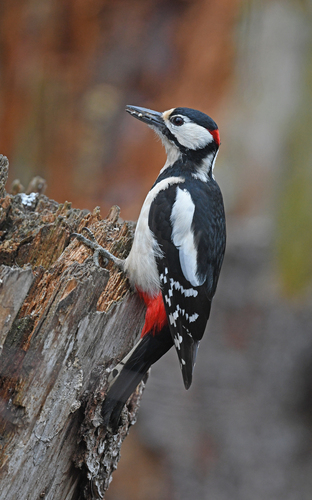 Picchio rosso maggiore
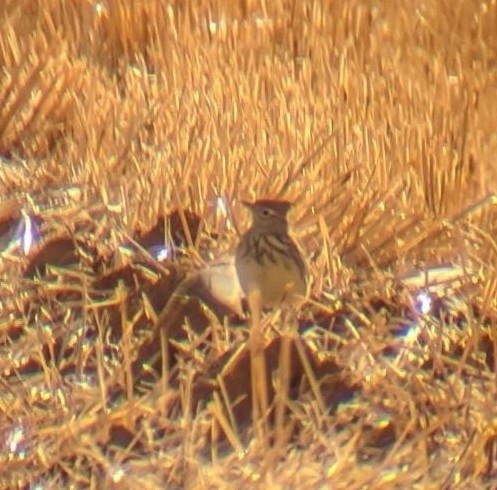 Thekla's Lark
In breve
Il modo più affidabile per separare il Picchio rosso maggiore dalla Thekla's Lark è attraverso la struttura generale e il piumaggio: il picchio è un uccello di dimensioni medie, audacemente bianco e nero con un'apertura rossa e (nei maschi/giovani) rosso sulla testa, mentre la Thekla's Lark è un uccello più piccolo, grigio-bruno, striato, con una cresta spigolosa e senza rosso. In volo, il picchio mostra forti barre bianche e nere sulle ali e una grande macchia bianca sulla spalla, mentre la Thekla's Lark ha ali inferiori grigie semplici e manca di macchie bianche audaci. I picchi giovani possono apparire più opachi ma mostrano comunque il motivo e la struttura distintivi. Anche a distanza, il volo ondulato del picchio e il comportamento di arrampicata sugli alberi contrastano con i movimenti fluttuanti e orientati al suolo della lark.
Consigli di identificazione
- Motivo audace bianco e nero vs. grigio-bruno striato: Il Picchio rosso maggiore mostra sempre un forte contrasto bianco e nero con una grande macchia bianca sulla spalla e ali barrate; la Thekla's Lark è complessivamente grigio-bruno con striature scure e senza macchie bianche.
- Marcature rosse: Solo il picchio mostra mai il rosso—sull'apertura (tutte le età), sulla nuca (maschi adulti) o sulla corona (giovani). La Thekla's Lark non ha mai rosso.
- Forma della cresta: La Thekla's Lark ha una lunga cresta spigolosa ed erettile, spesso sollevata; il picchio ha una corona liscia senza cresta.
- Struttura del becco: Il picchio ha un becco forte, dritto e simile a uno scalpello per forare il legno; la Thekla's Lark ha un becco più corto, più fine e conico per semi e insetti.
- Motivo delle ali in volo: Il picchio mostra barre bianche e nere e una grande macchia bianca sulla spalla; la Thekla's Lark ha ali inferiori grigie semplici e nessuna bianca nell'ala o nella coda.
- Confusione giovanile: I giovani picchi sono più opachi e meno lucidi, con una corona rossa e un'apertura rosata, ma mostrano comunque il motivo bianco e nero; i giovani della Thekla's Lark sono simili agli adulti e non mostrano mai rosso o macchie bianche audaci.
- Motivo della coda: La coda del picchio è barrata di nero e bianco; la Thekla's Lark ha una coda semplice senza bordi bianchi.
- Posa e movimento: Il picchio si arrampica verticalmente su tronchi e rami; la Thekla's Lark cammina o corre a terra e raramente si posa sopra rocce basse o arbusti.
- Stile di volo: Il picchio vola in un percorso ondulato e saltellante; la Thekla's Lark ha un volo più diretto e fluttuante, spesso basso sopra il suolo.
- Habitat: Il picchio si trova in aree boschive, specialmente con alberi maturi; la Thekla's Lark in paesi asciutti, aperti, spesso rocciosi o cespugliosi.
- Differenze sessuali: Solo i picchi maschi e giovani hanno rosso sulla testa; i sessi della Thekla's Lark sono identici.
- Impressione di dimensione: Il picchio è più robusto e lungo; la Thekla's Lark è più piccola e più delicata.
- Motivo del viso: Il picchio ha bianco sul viso e sul collo con una barra nera sulla guancia; la Thekla's Lark ha un viso semplice con un petto striato e senza barra sulla guancia.
- Parti inferiori: Le parti inferiori del picchio sono bianche con un'apertura rossa; la Thekla's Lark è biancastra sotto con striature scure sul petto.
- Contesto: Se vedi un uccello su un tronco o un ramo, specialmente in un'area boschiva, è quasi certamente un picchio; su terreno aperto in un paese asciutto, è una lark.
Taglia
Il Picchio rosso maggiore è significativamente più pesante (media 89 g) e più lungo (20–24 cm) rispetto alla Thekla's Lark, che è descritta come 'piccola' e leggermente più piccola dell'Allodola (che ha una media di 16–18 cm). Il picchio ha una struttura robusta e compatta con un becco forte, mentre la lark è più delicata e snella. Sul campo, il picchio appare più massiccio e più eretto, specialmente quando si posa su un tronco, mentre la lark è più orizzontale e sottile.
Piumaggio
I giovani Picchi rossi maggiori possono essere confusi con altri picchi ma non con la Thekla's Lark: anche i giovani uccelli mantengono le parti superiori bianche e nere, macchie bianche sul viso e rosso sulla corona (giovani) o sulla nuca (maschi adulti), con un'apertura rossa o rosata. La Thekla's Lark, al contrario, è grigio-bruno sopra con striature scure, un petto striato e parti inferiori bianche semplici—mai rosso o macchie bianche audaci. In volo, i picchi adulti e giovani mostrano ali barrate bianche e nere e una grande macchia bianca sulla spalla, mentre la Thekla's Lark mostra ali inferiori grigie semplici e nessuna bianca nell'ala o nella coda. La cresta spigolosa della lark è unica e visibile sia a riposo che in mostra. I sessi sono simili in entrambe le specie, ma solo i picchi maschi e giovani mostrano rosso sulla testa.
Comportamento
Il Picchio rosso maggiore è quasi sempre visto arrampicarsi su tronchi o rami, risalendo o appeso al lato del legno, e vola in un percorso ondulato e saltellante tra gli alberi. La Thekla's Lark è un abitante del suolo, camminando o correndo su terreno aperto, spesso in aree asciutte, rocciose o cespugliose, e raramente si posa sugli alberi. Il suo volo è fluttuante e diretto, spesso basso sopra il suolo, e solleva frequentemente la sua cresta. Il comportamento del picchio è arboreo e acrobatico, mentre la lark è terrestre e discreta.
Habitat
Il Picchio rosso maggiore si trova in habitat boschivi, inclusi foreste, parchi e giardini con alberi maturi, in tutta la Paleartica. La Thekla's Lark è limitata a paesi asciutti e aperti—spesso in alta quota—sulla Penisola Iberica e in Nord/Est Africa, evitando boschi densi. Se vista in terreni aperti, senza alberi, rocciosi o cespugliosi, è molto più probabile che sia una Thekla's Lark; in boschi maturi o su tronchi d'albero, ci si aspetta di trovare il picchio.
Picchio rosso maggiore · Thekla's Lark · I miei uccelli difficili