

Picchio rosso maggiore vs Picchio verde
Dendrocopos major contro Picus viridis
Fai un quiz con Picchio rosso maggiore e Picchio verde
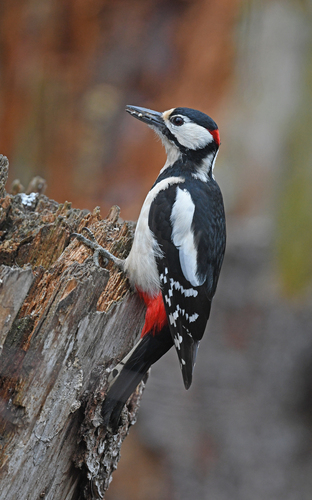 Picchio rosso maggiore
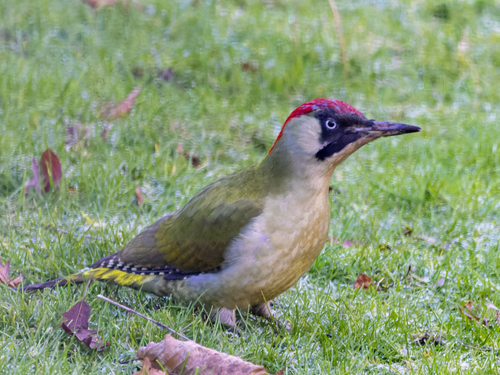 Picchio verde
In breve
La distinzione più affidabile tra Picchio rosso maggiore e Picchio verde è il colore generale: il Picchio rosso maggiore è audacemente nero e bianco sopra con un ventre rosso, mentre il Picchio verde è verde sopra, giallastro sotto, con una corona e una nuca rosse brillanti. I giovani Picchi rossi maggiori possono essere confusi a causa delle loro marcature meno nitide e della corona rossa, ma non mostrano mai le parti superiori verdi o il posteriore giallo del Picchio verde. In volo, il Picchio verde appare più grande, con un volo più lento e ondulato e un posteriore giallo che lampeggia distintamente. Anche le vocalizzazioni sono molto diverse: il Picchio rosso maggiore tamburella e emette richiami acuti 'kick', mentre il Picchio verde è famoso per il suo forte e ridicolo 'yaffle'.
Consigli di identificazione
- Colore generale: Il Picchio rosso maggiore è nero e bianco sopra con un ventre rosso; il Picchio verde è verde sopra, giallastro sotto, con un posteriore giallo e una corona/nuca rossa. Questo è il segno di campo più affidabile per tutte le età.
- Confusione giovanile: Il giovane Picchio rosso maggiore ha una corona rossa e marcature più opache, ma mostra ancora parti superiori nero e bianche e un ventre rosato. Il giovane Picchio verde è striato/macchiato ovunque, verde sopra e non mostra mai macchie bianche audaci o barrature nero e bianche.
- Schema delle ali in volo: Il Picchio rosso maggiore lampeggia con macchie bianche sulle spalle e ali barrate in nero e bianco; il Picchio verde mostra ali verdi e un posteriore giallo brillante, senza macchie bianche.
- Rosso sulla testa: Entrambe le specie possono mostrare rosso sulla testa (corona nel Picchio verde, nuca nel maschio Picchio rosso maggiore, corona nel giovane Picchio rosso maggiore), ma la distribuzione differisce: il rosso del Picchio verde è sempre sulla corona/nuca, mai solo sulla nuca, ed è molto più esteso e brillante.
- Schema del viso: Il Picchio rosso maggiore ha un viso bianco con una barra nera sulla guancia (a volte incompleta nei giovani); il Picchio verde ha una maschera nera attorno all'occhio bianco e un baffo nero (centrato di rosso nei maschi). Il viso del Picchio verde non è mai bianco come quello del Picchio rosso maggiore.
- Colore ventrale: Il Picchio rosso maggiore ha parti inferiori bianche pulite con un ventre rosso; il Picchio verde è giallastro-verde sotto senza rosso sulla pancia.
- Dimensioni e forma: Il Picchio verde è molto più grande e massiccio, con una coda e un collo più lunghi. Il Picchio rosso maggiore è compatto e agile.
- Comportamento: Il Picchio rosso maggiore è spesso visto arrampicarsi su tronchi e rami, tamburellando e visitando mangiatoie. Il Picchio verde è più spesso a terra, nutrendosi di formiche, e si alza in volo con un volo ondulato.
- Stile di volo: Il volo del Picchio verde è più lento e più ondulato, con un lampeggio giallo pronunciato sul posteriore. Il volo del Picchio rosso maggiore è più diretto e agile, con macchie bianche sulle ali visibili.
- Tamburellare: Il Picchio rosso maggiore tamburella frequentemente e rumorosamente; il Picchio verde tamburella raramente e dolcemente.
- Richiami: Il Picchio rosso maggiore emette richiami acuti 'kick'; il Picchio verde emette un forte e ridicolo 'yaffle' e un rumoroso 'kyü-kyü-kyück' in volo.
- Differenze sessuali: Il maschio del Picchio rosso maggiore ha una nuca rossa, assente nelle femmine. Il maschio del Picchio verde ha un baffo centrato di rosso, solidamente nero nelle femmine. Questi sono utili per determinare il sesso ma non per separare le specie.
- Indizi sull'habitat: In boschi densi, è più probabile trovare il Picchio rosso maggiore; in aree erbose aperte con alberi sparsi, è più probabile trovare il Picchio verde.
- Trappola: Il giovane Picchio rosso maggiore con corona rossa e marcature opache può essere scambiato per il Picchio verde, ma controlla sempre i toni verdi/gialli e il posteriore giallo (assente nel Picchio rosso maggiore).
- Trappola: Entrambi possono mostrare rosso sulla testa, ma solo il Picchio verde è verde/giallo nel complesso con un posteriore giallo. Il Picchio rosso maggiore non mostra mai questa colorazione.
Taglia
Il Picchio verde è molto più grande e pesante del Picchio rosso maggiore. Il Picchio verde misura 30–36 cm di lunghezza con un'apertura alare di 45–51 cm e pesa circa 193 g [wikidata]. Il Picchio rosso maggiore è notevolmente più piccolo, lungo 20–24 cm, con un'apertura alare di 34–39 cm e circa 89 g [wikidata]. Sul campo, il Picchio verde appare più massiccio e con un collo più lungo, con una testa più grande e arrotondata e una coda più lunga. Il Picchio rosso maggiore è compatto e più agile, spesso visto aggrappato a tronchi e rami.
Piumaggio
-
Giovani: Il giovane Picchio rosso maggiore è più opaco, con una sfumatura marrone nelle aree nere, parti inferiori bianche sporche e una corona rossa (meno estesa nelle giovani femmine). Le marcature sono meno nitide rispetto agli adulti, ma l'uccello è ancora nero e bianco sopra con un ventre rosato (non rosso). Il giovane Picchio verde è striato e macchiato ovunque, con un verde più opaco sopra e giallastro sotto, e un baffo scuro; i giovani maschi possono iniziare a mostrare un po' di rosso nel baffo a metà estate. La colorazione verde/gialla complessiva e la mancanza di un audace schema nero e bianco è distintiva anche nei giovani uccelli.
-
Adulti: Il Picchio rosso maggiore ha parti superiori blu-nerastre lucide con grandi macchie bianche sulle spalle, viso bianco e lati del collo, e un ventre/parte inferiore rossa. I maschi hanno una macchia rossa sulla nuca, le femmine no. Gli adulti del Picchio verde sono verdi sopra, giallastro-verdi sotto, con un posteriore giallo brillante e una corona/nuca rossa. Entrambi i sessi hanno un baffo nero (maschio: centrato di rosso) e una maschera nera attorno all'occhio bianco. Il Picchio verde non mostra mai le audaci macchie bianche sulle ali o le piume di volo barrate in nero e bianco del Picchio rosso maggiore.
-
In volo: Il Picchio rosso maggiore mostra ali barrate in nero e bianco e una macchia bianca sulla spalla; il Picchio verde lampeggia un posteriore giallo e ali verdi, senza macchie bianche.
Comportamento
Il Picchio rosso maggiore è spesso visto arrampicarsi su tronchi e rami, muovendosi con brevi salti e usando la coda per supporto. Tamburella frequentemente ed è agile, a volte visitando mangiatoie. Il Picchio verde trascorre molto più tempo a terra, nutrendosi di formiche, ed è timido e cauto. Il suo volo è ondulato, con diversi battiti d'ala seguiti da un planare, e tamburella raramente. Il Picchio verde è più propenso a decollare da terra con un forte richiamo piuttosto che essere visto mentre risale un tronco.
Habitat
Entrambe le specie possono essere trovate in boschi, parchi e giardini, ma il Picchio rosso maggiore è più versatile, utilizzando una gamma più ampia di habitat boschivi, comprese foreste di conifere e miste. Il Picchio verde preferisce boschi aperti, bordi, frutteti e aree erbose con alberi sparsi, poiché si nutre principalmente di formiche a terra. Nei boschi densi, è più probabile trovare il Picchio rosso maggiore; in aree aperte con prati o pascoli, è più atteso il Picchio verde.
Voce
Il Picchio rosso maggiore emette richiami acuti e metallici 'kick' o 'chick' e tamburella rapidamente sul legno. Il suo tamburellare è un breve e veloce scoppio. Il Picchio verde tamburella raramente; invece, è famoso per il suo forte e ridicolo 'yaffle' (una serie di note 'klü') e un rumoroso 'kyü-kyü-kyück' in volo. I richiami del Picchio verde sono molto più portanti e distintivi rispetto a quelli del Picchio rosso maggiore.
Picchio rosso maggiore · Picchio verde · I miei uccelli difficili