

Cormorano vs Tarabuso
Phalacrocorax carbo contro Botaurus stellaris
Fai un quiz con Cormorano e Tarabuso
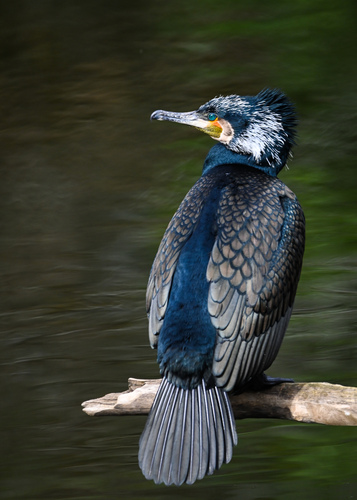 Cormorano
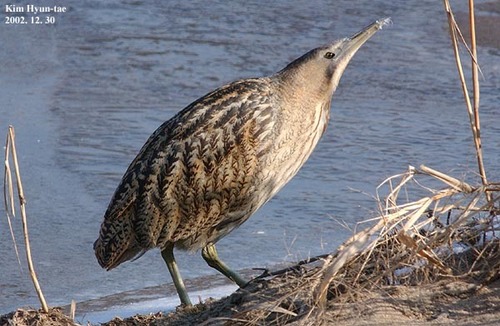 Tarabuso
In breve
Il segno di campo più affidabile per separare il Cormorano dal Tarabuso è la struttura e la postura complessive: i cormorani sono uccelli acquatici pesanti, dal corpo lungo e nerastro, con un becco spesso e ricurvo e nuotano o si posano apertamente, mentre i tarabusi sono aironi tozzi, striati in modo criptico di marrone che si nascondono nelle canne e si bloccano con il becco puntato verso l'alto quando allarmati. In volo, i cormorani mostrano ali lunghe e strette e una lunga coda, mentre i tarabusi hanno ali larghe e arrotondate e lasciano penzolare le gambe. I cormorani giovani hanno il ventre chiaro ma sono ancora scuri sopra, mentre i tarabusi di tutte le età non sono mai nerastre e sono sempre pesantemente striati e barrati. L'habitat è anche un forte indizio: i cormorani sono solitamente visti su acque aperte o posatoi esposti, i tarabusi in canneti densi. Se vedi un grande uccello nerastro che nuota o si posa su rocce, è un cormorano; un uccello marrone striato che si fonde nelle canne è un tarabuso.
Consigli di identificazione
- Colore e motivo complessivi: Il Cormorano è per lo più nero (adulti) o scuro sopra con ventre chiaro (giovani); il Tarabuso non è mai nero, è sempre marrone chiaro con pesanti strisce e barre nere. Funziona per tutte le età.
- Forma e colore del becco: Il cormorano ha un becco spesso, ricurvo e scuro con una macchia gulari gialla o rossa; il tarabuso ha un becco lungo, dritto e giallo-verde. Questo è visibile a distanza moderata.
- Postura e jizz: Il cormorano sta dritto, spesso con le ali spiegate, o nuota basso nell'acqua; il tarabuso è curvo, tozzo e si blocca con il becco puntato verso l'alto quando allarmato. Il tarabuso non apre mai le ali per asciugarsi.
- Silhouette in volo: Il cormorano vola con ali lunghe e strette, collo disteso e lunga coda; il tarabuso vola con ali larghe e arrotondate, collo ritratto dopo il decollo e gambe penzolanti. Funziona per tutte le età.
- Coda: Il cormorano ha una lunga coda (con 14 piume), la coda del tarabuso è corta e arrotondata, non evidente in volo o a riposo.
- Habitat: Il cormorano è su acque aperte o posatoi esposti; il tarabuso è in canneti densi, raramente in aperto. Il contesto è un forte indizio.
- Dettagli del piumaggio: Il tarabuso ha un sopracciglio giallo chiaro e una striscia moustachiale marrone-nera; il cormorano non ha questi segni facciali.
- Parte inferiore: I cormorani giovani hanno parti inferiori chiare ma le parti superiori sono ancora scure e mancano di striature; i tarabusi sono striati e barrati sopra e sotto a tutte le età.
- Gambe e piedi: Le gambe del cormorano sono grigio scuro e i piedi sono completamente palmati (totipalmati); le gambe del tarabuso sono verdastre con giunto tarsale giallo, i piedi non sono palmati. Di solito visibili solo a distanza ravvicinata.
- Segni di riproduzione: I cormorani adulti in stagione di riproduzione possono mostrare macchie bianche sulle cosce e sulla testa; i tarabusi non hanno mai macchie bianche.
- Comportamento: I cormorani sono sociali e appariscenti, spesso in gruppi; i tarabusi sono solitari e riservati.
- Impressione di dimensione: Il cormorano appare più grande e più allungato a causa del lungo collo e della coda, nonostante la massa simile al tarabuso.
- Voce: Solo il tarabuso emette un profondo richiamo rimbombante in primavera; il cormorano è per lo più silenzioso tranne per i rumori gutturali delle colonie.
- Confusione stagionale: In inverno, il cormorano perde le macchie bianche di riproduzione ed è più uniformemente nero; il piumaggio del tarabuso è simile tutto l'anno ma i giovani sono più chiari e meno marcati.
- Trappole comuni: Un cormorano giovane con ventre chiaro può sembrare meno nero, ma manca sempre delle pesanti striature e del motivo criptico del tarabuso. I tarabusi non nuotano mai o si posano apertamente come i cormorani.
Taglia
Entrambe le specie sono grandi uccelli acquatici, ma il Tarabuso è leggermente più pesante in media (massa corporea: Tarabuso ~2460 g, Cormorano ~2200 g) [wikidata]. Tuttavia, il Cormorano appare molto più grande e massiccio sul campo a causa del suo corpo allungato, collo lungo e coda lunga, mentre il tarabuso ha un collo più corto, è più tozzo e compatto. La dimensione del cormorano è accentuata dal suo becco lungo e pesante e dalla postura prominente quando è posato o nuota. I tarabusi, pur essendo pesanti, appaiono più piccoli a causa della loro postura curva e riservata e della coda più corta.
Piumaggio
I cormorani giovani e immaturi hanno parti inferiori chiare o bianche con parti superiori scure, ma appaiono sempre per lo più scuri e mancano delle pesanti striature e barrature dei tarabusi. I cormorani adulti sono neri lucidi con iridescenza bronzo o verdastra, a volte con macchie bianche sulle cosce e sulla testa in stagione di riproduzione (mai nel tarabuso). I tarabusi di tutte le età non sono mai neri: il loro piumaggio è un motivo complesso di buff, fulvo e marrone con pesanti strisce e barre nere, specialmente sulle parti superiori, sul petto e sui fianchi. In volo, i tarabusi mostrano ali ampie e arrotondate di un marrone ruggine chiaro con barrature nere irregolari, mentre le ali dei cormorani sono lunghe, strette e uniformemente scure. I tarabusi hanno un sopracciglio giallo chiaro e una striscia moustachiale marrone-nera, entrambi assenti nel cormorano. Il becco del cormorano è scuro e ricurvo, quello del tarabuso è dritto e giallo-verde. I tarabusi giovani sono più chiari e meno distintamente marcati rispetto agli adulti ma sono ancora striati e mai nerastre.
Comportamento
I cormorani sono solitamente visti nuotare bassi nell'acqua, immergendosi per pesci, o posati apertamente su rocce, pali o alberi, spesso con le ali spiegate per asciugarsi. Sono sociali, spesso in gruppi, e appariscenti. I tarabusi sono solitari, riservati e quasi sempre nascosti in canneti densi. Quando disturbati, i tarabusi si bloccano con il becco puntato verso l'alto, fondendosi nelle canne ('bitterning'), e raramente si posano in aperto. I tarabusi camminano lentamente e deliberatamente nella vegetazione, nuotano raramente e solo occasionalmente si trovano in aperto, di solito al bordo dell'acqua in condizioni meteorologiche avverse. In volo, i cormorani sono diretti e forti con il collo disteso, mentre i tarabusi volano con battiti d'ali lenti e profondi, collo ritratto dopo il decollo e gambe penzolanti.
Habitat
I cormorani si trovano su acque aperte: laghi, fiumi, coste e bacini, spesso lontano da ripari, e frequentemente si posano su rocce, pali o alberi esposti. I tarabusi sono limitati a canneti densi e paludi con vegetazione alta, raramente avventurandosi in acque aperte o su posatoi esposti. Se vedi un grande uccello acquatico nel mezzo di un lago o posato su una roccia, è quasi certamente un cormorano; un grande uccello visto nascondersi o volare basso sopra le canne è probabilmente un tarabuso.
Voce
Entrambe le specie sono per lo più silenziose lontano dalle colonie di riproduzione. I cormorani emettono rumori gutturali nelle colonie ma non sono vocali altrimenti. I tarabusi sono famosi per il loro richiamo rimbombante in primavera, un suono profondo simile a un fischietto che si sente a lunghe distanze dai canneti, ma questo è raramente udito tranne durante la stagione di riproduzione. Nessuna delle due specie è probabile che venga identificata per voce in incontri tipici sul campo.