
Regolo vs Rampichino alpestre
Regulus regulus contro Certhia familiaris
Fai un quiz con Regolo e Rampichino alpestre
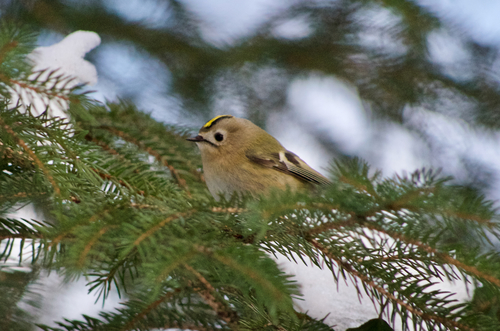 Regolo
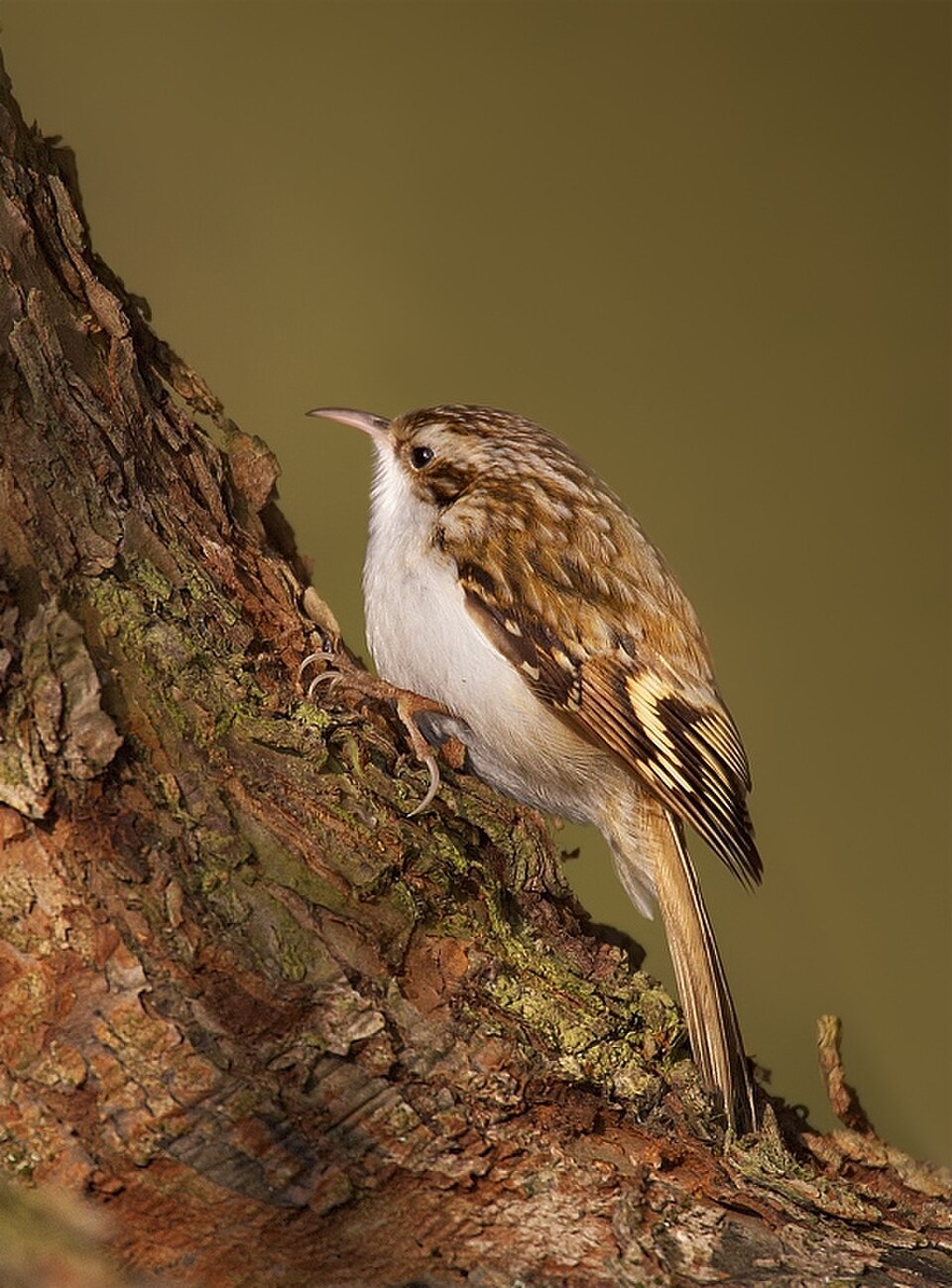 Rampichino alpestre
In breve
Il modo più affidabile per separare il Regolo dal Rampichino alpestre è attraverso la struttura generale e il comportamento: il Regolo è un uccello minuscolo, rotondo, simile a un warbler, con un volto semplice e una striscia coronale gialla o arancione audace, mentre il Rampichino alpestre è più grande, snello e simile a un topo, con un lungo becco ricurvo e un piumaggio criptico striato di marrone e bianco, solitamente visto arrampicarsi lungo i tronchi degli alberi. Il Regolo mostra due barre alari bianche e un volto semplice con una cresta brillante (arancione nei maschi, gialla nelle femmine), mentre il Rampichino alpestre ha un sopracciglio bianco, parti superiori striate di marrone e una lunga coda rigida usata per il supporto contro la corteccia. In volo, il Regolo è svolazzante e agile, spesso in sospensione tra il fogliame, mentre il Rampichino vola in brevi esplosioni ondulate tra gli alberi. I giovani Regoli mancano della corona colorata ma appaiono comunque con un volto semplice e minuscolo, mentre i giovani Rampichini sono più opachi ma mantengono il loro motivo striato e il comportamento di arrampicamento sugli alberi. Queste differenze sono coerenti in tutte le età e stagioni, rendendo poco probabile la confusione con buone visuali.
Consigli di identificazione
- Structure and posture: Il Regolo è minuscolo, rotondo e simile a un warbler, con un becco corto e sottile e un corpo compatto; il Rampichino alpestre è più grande, snello ed allungato, con un lungo becco ricurvo e una lunga coda rigida usata per il supporto. Questa differenza è ovvia in tutte le età e stagioni.
- Behavior: Il Regolo svolazza e si libra tra il fogliame, spesso alle estremità dei rami, e raramente arrampica sui tronchi. Il Rampichino è quasi sempre visto arrampicarsi lungo i tronchi degli alberi in brevi salti, usando la sua coda per il supporto, e raramente si posa in aperto.
- Crown and face: Il Regolo ha una cresta brillante (arancione/gialla nei maschi, gialla nelle femmine) bordata di nero, e un volto semplice senza sopracciglio. I giovani mancano della corona colorata ma hanno comunque un volto semplice. Il Rampichino ha un sopracciglio bianco (sopracciglio) che si estende fino al becco, e un volto striato di marrone e bianco; questo è visibile sia negli adulti che nei giovani.
- Wing pattern: Il Regolo mostra due audaci barre alari bianche sulle parti superiori verde oliva; le ali del Rampichino sono intricate e striate di marrone con macchie bianche ma mancano di barre alari audaci. In volo, le barre alari del Regolo sono distintive, mentre le ali del Rampichino appaiono macchiate e criptiche.
- Tail: Il Regolo ha una coda corta e arrotondata. Il Rampichino ha una lunga coda rigida usata per sostenersi contro la corteccia; la coda è di un marrone semplice nel Rampichino alpestre.
- Bill: Il becco del Regolo è corto, sottile e dritto. Il becco del Rampichino è lungo, snello e fortemente ricurvo; questa è una differenza strutturale chiave a qualsiasi età.
- Underparts: Il Regolo ha parti inferiori bianco-buff con poca o nessuna striatura. Il Rampichino ha parti inferiori biancastre con una sfumatura di buff e una fine maculatura sui fianchi (soprattutto nei giovani).
- Upperparts: Il Regolo è verde oliva sopra. Il Rampichino è marrone caldo sopra, intricatamente striato e macchiato di nero, buff e bianco.
- Flight style: Il volo del Regolo è svolazzante, con frequenti sospensioni e rapidi cambi di direzione. Il volo del Rampichino è corto, ondulato ed erratico, solitamente tra i tronchi degli alberi.
- Vocalizations: Il Regolo emette richiami alti, sottili e ripetitivi e una semplice canzone. La canzone del Rampichino è più varia e complessa, con un distintivo richiamo 'tsree' e una serie di note fruscianti e ondulate.
- Habitat context: Il Regolo è spesso trovato in dense vegetazioni, specialmente in conifere o boschi misti, e di solito è visto in aperto. Il Rampichino è quasi sempre sui tronchi degli alberi o su grandi rami, raramente in vegetazione aperta.
- Juvenile confusion: I giovani Regoli mancano della corona colorata ma rimangono con un volto semplice e minuscolo; i giovani Rampichini sono più opachi ma mostrano ancora striature e il sopracciglio bianco.
- Sex differences: I maschi del Regolo hanno un centro arancione nella cresta, le femmine hanno tutto giallo; altrimenti, i sessi sono simili. I sessi del Rampichino sono simili in campo.
- Pitfalls: In scarsa luce o a distanza, le piccole dimensioni e il volto semplice del Regolo possono essere trascurati, ma l'assenza di striature e la presenza di barre alari aiutano. Il Rampichino può essere confuso con altri rampichini, ma non con il Regolo se si notano comportamento e struttura.
- When marks fail: Se si ottiene solo una visuale fugace, concentrarsi sul comportamento (sospensione nel fogliame vs. arrampicamento sui tronchi) e sulla forma generale (rotonda vs. allungata con un lungo becco e coda) per la migliore possibilità di identificazione corretta.
Taglia
Il Regolo è molto più piccolo e leggero del Rampichino alpestre, anche se entrambi sono uccelli piccoli. Il Regolo misura 8.5–9.5 cm di lunghezza e pesa 4.5–7.0 g [wikipedia], rendendolo il più piccolo uccello europeo. Il Rampichino alpestre è più grande a 12.5 cm e quasi due volte più pesante a circa 9.95 g [wikidata]. In campo, il Regolo appare rotondo e compatto, mentre il Rampichino è più lungo, snello e più allungato, specialmente con la sua lunga coda e becco.
Piumaggio
I giovani Regoli mancano della corona colorata ma sono altrimenti simili agli adulti, con parti superiori verde oliva, parti inferiori bianco-buff e due barre alari bianche; il loro volto rimane semplice e privo di sopracciglio. Entro il primo inverno, i giovani Regoli sono quasi indistinguibili dagli adulti. I giovani Rampichini alpestri sono più opachi degli adulti, con parti inferiori bianche opache e fine maculatura scura sui fianchi, ma mantengono le parti superiori striate di marrone e il sopracciglio bianco. Gli adulti hanno una coda marrone semplice, parti superiori marroni calde intricate con nero, buff e bianco, e una gola e un ventre bianchi con sfumature di buff. Il Regolo mostra sempre un volto semplice e una cresta brillante (arancione/gialla nei maschi, gialla nelle femmine), mentre il Rampichino ha un sopracciglio bianco e un piumaggio striato criptico. In tutte le età, le barre alari del Regolo e il volto semplice contrastano con le parti superiori striate del Rampichino e il sopracciglio bianco.
Comportamento
Il Regolo è altamente attivo, svolazzando e librandosi tra il fogliame, spesso nutrendosi alle estremità dei rami e talvolta arrampicandosi lungo i rami. Il suo volo è frusciante ed erratico con frequenti sospensioni. Il Rampichino alpestre è quasi sempre visto arrampicarsi lungo i tronchi degli alberi in brevi salti, usando la sua coda rigida per il supporto, e raramente si posa in aperto. Il suo volo è ondulato ed erratico, solitamente corto tra gli alberi. Il Regolo raramente, se mai, arrampica sui tronchi nello stile del rampichino, mentre il Rampichino raramente si libra o si nutre alle estremità dei rami.
Habitat
Il Regolo si trova in una vasta gamma di habitat forestali, comprese le foreste conifere e miste, spesso in alto nella chioma o in folti vegetali. Il Rampichino alpestre preferisce boschi maturi, specialmente con alberi vecchi e corteccia ruvida, ed è più spesso visto in foreste di conifere, ma può anche verificarsi in boschi misti o decidui. Il Regolo è più probabile che venga visto in vegetazione aperta, mentre il Rampichino è quasi sempre sui tronchi degli alberi o su grandi rami.
Voce
La canzone del Regolo è una serie di note alte e sottili, leggermente più acute rispetto a specie simili, e i suoi richiami sono anch'essi molto alti e sottili. Il Rampichino alpestre ha un richiamo di contatto silenzioso e acuto ('sit'), ma il suo richiamo più distintivo è un penetrante 'tsree' vibrato. La canzone del maschio è più varia e complessa rispetto a quella del Rampichino comune, iniziando con 'srrih, srrih', seguita da note fruscianti, un'onda discendente e un fischio in caduta-risalita. La canzone e i richiami del Regolo sono meno complessi e più ripetitivi rispetto alla canzone varia del Rampichino.