

Mignattaio vs White-faced Ibis
Plegadis falcinellus contro Plegadis chihi
Fai un quiz con Mignattaio e White-faced Ibis
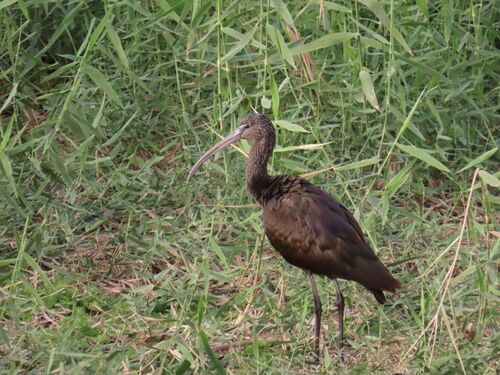 Mignattaio
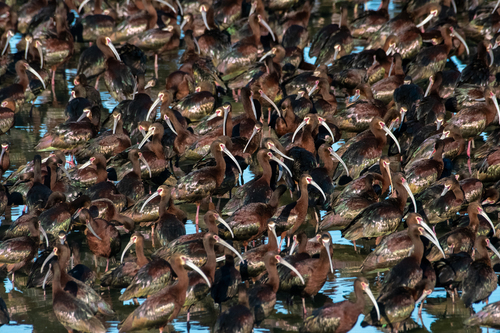 White-faced Ibis
In breve
Mignattaio e White-faced Ibis sono estremamente simili, specialmente al di fuori della stagione di riproduzione e tra i giovani, ma gli adulti in riproduzione possono essere separati dal motivo facciale e dal colore degli occhi: White-faced Ibis mostra un viso nudo rosa con un audace bordo di piume bianche e occhi rossi, mentre Mignattaio ha un viso nudo blu o blu-grigio senza un forte bordo bianco e occhi scuri. Nella livrea non riproduttiva e tra gli immaturi, la separazione sul campo è molto difficile e spesso inaffidabile a distanza. Sottiglie differenze nel colore delle gambe, nella pelle facciale e nel calore complessivo della livrea possono aiutare, ma è meglio utilizzarle in combinazione e con cautela. Le differenze strutturali sono minime e entrambe le specie condividono dimensioni e proporzioni simili.
Consigli di identificazione
- Il motivo facciale dell'adulto in riproduzione è il segno di campo più affidabile: White-faced Ibis mostra un viso nudo rosa con un bordo di piume bianche netto; Mignattaio ha un viso nudo blu o blu-grigio con solo un debole o assente bordo bianco. Questo segno è presente solo negli adulti in riproduzione.
- Colore degli occhi: L'adulto White-faced Ibis ha occhi rossi tutto l'anno; Mignattaio ha occhi scuri. Questo è meglio visibile a distanza ravvicinata e in buona luce.
- Colore delle gambe: L'adulto in riproduzione White-faced Ibis ha gambe più luminose e rosse rispetto al Mignattaio, ma questo è variabile e si sovrappone al di fuori della stagione di riproduzione.
- Colore del becco: White-faced Ibis in livrea di riproduzione ha un becco più grigio, mentre Mignattaio è più marrone. Questo è sottile e non sempre affidabile.
- Calore complessivo della livrea: White-faced Ibis può apparire leggermente più caldo nel marrone complessivo, ma questa è una differenza minore e soggettiva, specialmente negli uccelli non in riproduzione o immaturi.
- Iridescenza: Mignattaio mostra spesso più iridescenza verde bottiglia o bronzata sulle ali in livrea di riproduzione, ma entrambe le specie sono iridescenti e questo non è un forte separatore.
- Giovani e uccelli non in riproduzione: Queste età sono quasi indistinguibili in campo; entrambi sono marroni opachi con poco contrasto facciale e schemi simili sulle ali superiori. Non fare affidamento sulla livrea per separare gli immaturi.
- Colore della pelle facciale (non in riproduzione): Mignattaio mostra pelle facciale blu-grigia, mentre White-faced Ibis è meno distintamente colorato; questo è sottile e non sempre visibile.
- Struttura e dimensioni: Entrambe le specie hanno proporzioni e dimensioni simili; non utilizzare queste caratteristiche per l'identificazione.
- Silhouette in volo: Entrambi volano con il collo disteso e mostrano forme simili di ali e coda; nessuna differenza affidabile.
- Habitat e distribuzione: Mentre White-faced Ibis è nativo delle Americhe e Mignattaio del Vecchio Mondo, entrambi possono verificarsi come vagabondi e sovrapporsi in alcune regioni. Non utilizzare la posizione da sola per un'identificazione positiva.
- Comportamento: I comportamenti di alimentazione e di riposo sono simili; non utili per la separazione.
- Voce: Non sono state notate differenze vocali diagnostiche nelle fonti.
- Trappole: Gli uccelli immaturi e non in riproduzione sono una comune fonte di errore di identificazione; a meno che il motivo facciale e il colore degli occhi di un adulto in riproduzione non siano visibili, l'identificazione è spesso incerta.
- Migliore pratica: Dare priorità a visualizzazioni a distanza ravvicinata del viso e degli occhi nella stagione di riproduzione; altrimenti, riconoscere i limiti dell'identificazione sul campo e considerare di segnalare come "Plegadis sp." se incerti.
Taglia
Entrambe le specie sono quasi identiche in dimensioni e struttura, con Mignattaio che pesa mediamente leggermente di più (633 g contro 612,5 g) e marginalmente più lungo, ma questo non è un segno di campo affidabile. Entrambi sono ibisi di dimensioni medie con becchi lunghi e ricurvi e aperture alari simili (Mignattaio: 80–105 cm, White-faced: 90–93 cm). Qualsiasi differenza di dimensione percepita sul campo è sottile e facilmente mascherata dalla postura o dalla distanza.
Piumaggio
I giovani e gli ibisi non in riproduzione Mignattaio e White-faced sono quasi indistinguibili sul campo: entrambi mostrano corpi marroni scuri, iridescenza più opaca e mancanza dei forti contrasti facciali degli adulti in riproduzione. Tra gli adulti in riproduzione, White-faced Ibis si distingue con un viso nudo rosa bordato da una linea di piume bianche nette e occhi rossi, mentre Mignattaio ha un viso nudo blu o blu-grigio con solo un debole o assente bordo bianco e occhi scuri. Gli adulti in riproduzione Mignattaio tendono anche ad avere più iridescenza verde bottiglia e bronzata, mentre White-faced può apparire leggermente più caldo nel complesso. Il colore delle gambe è più rosso e luminoso negli adulti in riproduzione White-faced, ma questo può essere variabile e influenzato dalla luce e dall'età. Il colore del becco è più grigio negli adulti in riproduzione White-faced, più marrone in Mignattaio. Queste distinzioni sono più affidabili a distanza ravvicinata e in buona luce; a distanza o con immaturi, la separazione è spesso impossibile.
Comportamento
Entrambe le specie si nutrono sondando in acque poco profonde con i loro lunghi becchi ricurvi e spesso foraggiano in gruppi. Il volo è elegante con il collo disteso, e entrambi possono formare gruppi a forma di V. Il comportamento di riposo è simile, con entrambe le specie che utilizzano alberi o vegetazione densa vicino a zone umide, a volte in modo comunitario. Non sono state notate differenze comportamentali consistenti sul campo.
Habitat
Le preferenze di habitat si sovrappongono ampiamente: entrambi si trovano in zone umide dolci o salmastre con vegetazione emergente densa, come canne, giunchi o alberi bassi. Entrambi evitano le acque aperte e sono meno comuni nelle paludi costiere. Mignattaio può essere leggermente più tollerante verso i siti di riposo urbani, ma questo non è un segno di campo affidabile. La distribuzione geografica è più utile: White-faced Ibis è nativo delle Americhe, mentre Mignattaio è diffuso nel Vecchio Mondo, ma la vaganza e la sovrapposizione della distribuzione (specialmente nelle Americhe) significano che l'habitat da solo non può essere utilizzato per la separazione.