

Gabbiano glauco vs Gabbiano d'Islanda
Larus hyperboreus contro Larus glaucoides
Fai un quiz con Gabbiano glauco e Gabbiano d'Islanda
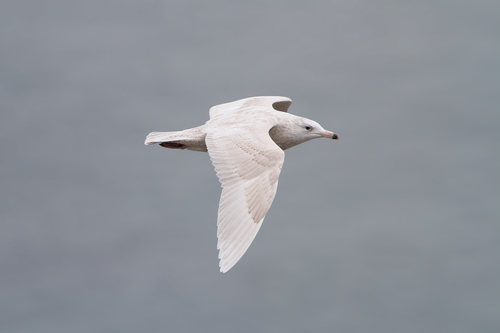 Gabbiano glauco
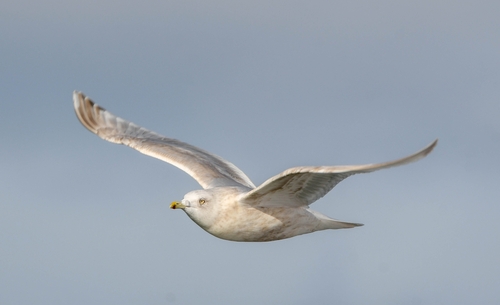 Gabbiano d'Islanda
In breve
Il segno di campo più affidabile tra Gabbiano glauco e Gabbiano d'Islanda è la dimensione e la struttura: il Gabbiano glauco è molto più grande e massiccio, con un becco spesso e potente, mentre il Gabbiano d'Islanda è visibilmente più snello e più piccolo nel complesso. Entrambe le specie sono molto chiare in tutte le età e mancano di nero sulle punte delle ali e sulla coda, quindi la confusione è comune, specialmente con gli immaturi. Tuttavia, i Gabbiani d'Islanda giovanili e immaturi hanno un becco più scuro (senza rosa), mentre i giovanili glauchi mostrano un becco di base rosa con una punta scura. In volo o a riposo, il Gabbiano glauco appare sempre più pesante e imponente, mentre il Gabbiano d'Islanda appare più delicato e aggraziato. Usa il colore del becco, la massa complessiva e la dimensione relativa per separarli, specialmente quando visti insieme.
Consigli di identificazione
- Dimensione e massa: Il Gabbiano glauco è molto più grande e pesante del Gabbiano d'Islanda. Usa questo quando gli uccelli sono insieme o vicino ad altri gabbiani per scala. Il Gabbiano glauco può avvicinarsi in dimensione al Mugnaiaccio; il Gabbiano d'Islanda è più vicino all'Herring Gull o più piccolo.
- Dimensione e forma del becco: Il Gabbiano glauco ha un becco spesso e potente (soprattutto evidente negli adulti), mentre il becco del Gabbiano d'Islanda è visibilmente più sottile e delicato. Questo è visibile in tutte le età, ma più chiaro negli adulti.
- Colore del becco negli immaturi: I Gabbiani glauchi giovanili/di primo inverno hanno un becco di base rosa con una punta scura; gli immaturi del Gabbiano d'Islanda hanno un becco più scuro, privo di rosa. Questo è uno dei migliori segni per separare i giovani uccelli.
- Colore del becco negli adulti: L'adulto Gabbiano glauco ha un becco spesso e giallo; quello del Gabbiano d'Islanda è giallo-verde e più snello. Usa questo quando l'età è chiara.
- Struttura complessiva: Il Gabbiano glauco appare più massiccio, con un petto profondo, un collo spesso e una testa pesante. Il Gabbiano d'Islanda è più snello, con una testa e un becco più fini, e una postura più aggraziata.
- Punte delle ali e coda: Entrambe le specie mancano di nero nelle punte delle ali e nella coda in tutte le età, quindi questo non è utile per la separazione, ma esclude altri grandi gabbiani.
- Tono del piumaggio: Entrambi sono molto chiari, ma il Gabbiano glauco può apparire più sbiadito e uniforme, mentre il Gabbiano d'Islanda può mostrare un leggero contrasto maggiore sulle parti superiori e sulle primarie. Questo è sottile e non sempre affidabile.
- Aspetto in volo: In volo, il Gabbiano glauco appare con ali larghe e pesanti, con battiti lenti e profondi. Il Gabbiano d'Islanda appare più leggero e più galleggiante, ma questo è meglio giudicato con esperienza o confronto diretto.
- Lunghezza delle gambe: Il Gabbiano glauco ha tarsi più lunghi e spessi, contribuendo al suo aspetto robusto. Le gambe del Gabbiano d'Islanda sono più corte e più fini.
- Habitat e distribuzione: Entrambi possono verificarsi insieme in inverno, ma se sei lontano dalla distribuzione normale di una specie, questo può aiutare. Il Gabbiano d'Islanda è più raro in Europa rispetto al Gabbiano glauco.
- Stormi misti: Quando entrambe le specie sono presenti, cerca i gabbiani chiari più grandi e massicci (Gabbiano glauco) rispetto a quelli più piccoli e delicati (Gabbiano d'Islanda).
- Progressione dell'età: Entrambe le specie impiegano quattro anni per maturare, quindi aspettati piumaggi intermedi. Usa il colore e la struttura del becco come indizi principali in questi casi.
- Voce: Il Gabbiano glauco ha un richiamo profondo e ridanciano; la voce del Gabbiano d'Islanda non è descritta, quindi non fare affidamento sulle vocalizzazioni.
- Differenze sessuali: Entrambe le specie mostrano un certo dimorfismo sessuale in termini di dimensioni, ma la differenza tra le specie è molto maggiore rispetto a quella tra i sessi.
- Quando hai dubbi: Se non riesci a giudicare la dimensione o la struttura del becco, e l'uccello è molto chiaro senza nero nelle punte delle ali o nella coda, potrebbe non essere identificato in modo sicuro a specie senza ulteriori contesti o confronti diretti.
Taglia
Il Gabbiano glauco è significativamente più grande e pesante del Gabbiano d'Islanda. Il Gabbiano glauco pesa in media circa 1412,5 g [wikidata], con una lunghezza di 55–77 cm e un'apertura alare di 132–170 cm. Il Gabbiano d'Islanda è molto più leggero (480–1100 g), più corto (50–64 cm) e ha un'apertura alare più piccola (115–150 cm). In confronto diretto, il Gabbiano glauco è più massiccio, con un becco più spesso e tarsi più lunghi. Anche a distanza, il Gabbiano glauco appare più massiccio e potente, a volte rivaleggiando con il Mugnaiaccio in dimensione, mentre il Gabbiano d'Islanda è più vicino all'Herring Gull o più piccolo. Questa differenza di dimensione è spesso il segnale più rapido in stormi misti.
Piumaggio
- Giovanili e immaturi (primo inverno/primo anno): Entrambi sono molto chiari, ma i giovanili del Gabbiano glauco hanno un becco di base rosa con una punta scura, mentre gli immaturi del Gabbiano d'Islanda hanno un becco più scuro che manca di rosa. Entrambi mancano di nero nelle punte delle ali e nella coda, quindi il modello complessivo delle ali e della coda non è utile. L'aspetto chiaro, quasi non marcato è condiviso, ma il Gabbiano glauco appare più sbiadito e uniforme, mentre il Gabbiano d'Islanda può mostrare un leggero contrasto maggiore sulle parti superiori e sulle primarie, ma questo è sottile e inaffidabile.
- Adulti: Entrambe le specie sono grigie chiare sopra con punte delle ali e coda bianche, e entrambe mancano di nero nelle primarie. L'adulto Gabbiano glauco ha un becco spesso e giallo; quello del Gabbiano d'Islanda è giallo-verde e più snello. L'assenza di nero nelle punte delle ali è una caratteristica condivisa, quindi concentrati sulla struttura e sul colore del becco. Entrambi impiegano quattro anni per raggiungere la maturità, quindi i piumaggi intermedi possono essere confusi.
- Sottospecie: Le note menzionano Kumlien's e Thayer's come sottospecie del Gabbiano d'Islanda, ma solo la nominata è descritta qui; tutte sono chiare e mancano di nero nelle punte delle ali nel piumaggio adulto.
Comportamento
Entrambe le specie sono spazzine onnivore, spesso viste a cercare cibo nei rifiuti, lungo le coste o vicino all'attività umana. Nessuna differenza comportamentale è evidenziata nelle note. Entrambi nidificano colonialmente o singolarmente su scogliere o a terra vicino all'acqua. In volo, il Gabbiano glauco appare più pesante e laborioso, mentre il Gabbiano d'Islanda è più leggero e più galleggiante, ma questo è sottile e meglio apprezzato con esperienza o confronto affiancato.
Habitat
Entrambi nidificano nelle regioni artiche, costruendo nidi sulle coste e sulle scogliere in Canada e Groenlandia. Il Gabbiano d'Islanda sverna più a sud, comprese le Isole Britanniche e il nord-est degli Stati Uniti, ma è più raro in Europa rispetto al Gabbiano glauco. Entrambe le specie frequentano habitat simili in inverno: coste, porti, discariche e acque aperte. L'habitat non è un forte separatore a meno che tu non sia al di fuori della distribuzione normale di una specie.
Voce
Il Gabbiano glauco emette un grido profondo e ridanciano simile all'Herring Gull ma di tono più basso. Nessuna descrizione vocale è fornita per il Gabbiano d'Islanda. La voce non è un separatore affidabile sul campo per queste due specie.
Gabbiano glauco · Gabbiano d'Islanda · I miei uccelli difficili