

Beccafico vs Bigia padovana
Sylvia borin contro Curruca nisoria
Fai un quiz con Beccafico e Bigia padovana
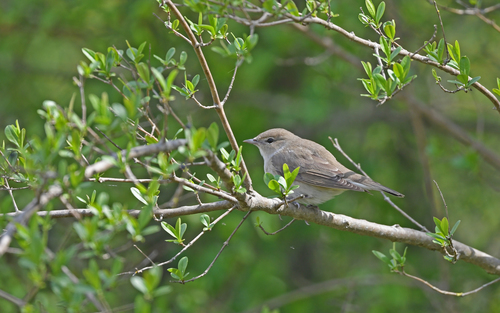 Beccafico
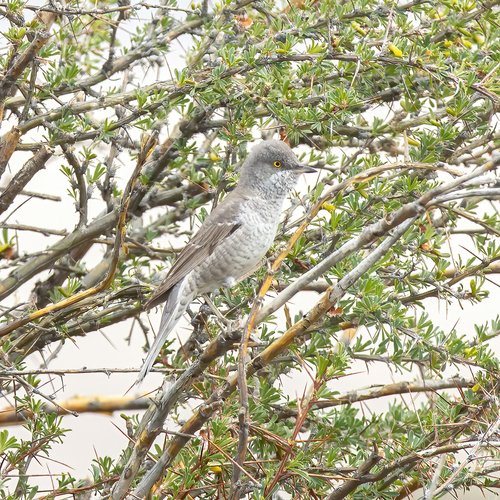 Bigia padovana
In breve
Il giovane Bigia padovana e il Beccafico sono facilmente confondibili, specialmente in autunno, ma il giovane Bigia padovana è decisamente più grande, con una corporatura più robusta e sottili frange chiare sulle penne delle ali, e spesso mostra una leggera barratura sulle copritrici della coda—caratteristiche assenti nel più semplice e più piccolo Beccafico. L'adulto Bigia padovana è inconfondibile con una forte barratura sotto e un'iride gialla, mentre il Beccafico di qualsiasi età è sempre semplice e privo di segni sulle ali o sulla coda. Sul campo, dimensione e struttura (la Bigia padovana è molto più grande e robusta) sono spesso gli indizi più affidabili, specialmente quando il piumaggio è ambiguo. Entrambe le specie sono piuttosto semplici nel complesso, ma un'attenta attenzione ai sottili schemi delle ali e della coda nei giovani, così come l'aspetto generale e il colore dell'iride negli adulti, di solito porterà a una corretta identificazione.
Consigli di identificazione
- Dimensione e Struttura: La Bigia padovana è molto più grande e robusta del Beccafico, con un becco più pesante e una corporatura più robusta. Usa questo come tuo primo controllo, specialmente se hai un senso di scala.
- Schema delle Ali e della Coda nei Giovani: Il giovane Bigia padovana può mostrare una leggera barratura sulle copritrici della coda e frange chiare sulle penne delle ali; i giovani Beccafico sono completamente semplici e privi di queste caratteristiche. Cerca questi segni sottili negli uccelli autunnali.
- Barratura negli Adulti: L'adulto Bigia padovana (specialmente i maschi) è fortemente barrato sotto e ha punte bianche sulle copritrici delle ali e sulle penne della coda. Il Beccafico di qualsiasi età è sempre semplice sotto senza barratura.
- Colore dell'Iride: L'adulto Bigia padovana ha un'iride gialla, mentre il Beccafico (di tutte le età) ha un occhio scuro. Anche il giovane Bigia padovana ha un'iride scura, quindi questo è diagnostico solo per gli adulti.
- Becco e Zampe: La Bigia padovana ha un becco più robusto e nerastro con una base più chiara e zampe grigio-marroni robuste; il becco del Beccafico è forte ma più snello, con una parte superiore grigia e una mandibola inferiore più chiara, e zampe grigio-blu. Questo è sottile ma può aiutare in buone osservazioni.
- Schema del Viso: Entrambe le specie hanno un viso piuttosto semplice, ma il Beccafico può mostrare un debole sopracciglio chiaro e un anello oculare biancastro, mentre la Bigia padovana è ancora più semplice nei giovani e negli immaturi.
- Colore delle Parti Superiori: Il Beccafico è marrone-olivastro sopra; la Bigia padovana è più grigia (adulti) o grigio-marrone chiaro (giovani). In scarsa luce, questo può essere difficile da giudicare.
- Parti Inferiori: Il Beccafico è bianco opaco sotto con una sfumatura chiara alla gola e ai fianchi, mai barrato. La Bigia padovana è biancastra sotto, con barratura negli adulti e una tonalità chiara nei giovani.
- Coda: La Bigia padovana può mostrare punte bianche sulle penne della coda (adulti) o una leggera barratura sulle copritrici della coda (giovani); la coda del Beccafico è semplice.
- Comportamento e Aspetto: La Bigia padovana appare più pesante e lenta, a volte posandosi più apertamente, specialmente quando si nutre di bacche. Il Beccafico è più attivo e preferisce coperture dense.
- Habitat: Nell'Europa occidentale, la Bigia padovana è un migrante autunnale raro, principalmente sulla costa orientale, mentre il Beccafico è comune e diffuso in boschi e cespugli adatti.
- Canto: Se canta, il canto del Beccafico è più ricco e melodioso; quello della Bigia padovana è più aspro, chiacchierone e di tono più alto.
- Stagionalità: La maggior parte delle Bigie padovane viste nell'Europa occidentale sono giovani in autunno; gli adulti sono molto rari. Il Beccafico può essere visto durante tutta la stagione di nidificazione e migrazione.
- Trappole: Il giovane Bigia padovana è il più probabile da confondere con il Beccafico—controlla sempre la dimensione, la leggera barratura e le frange chiare delle ali/della coda. Se l'uccello è semplice, piccolo e privo di qualsiasi barratura o frange chiare, è più probabile che sia un Beccafico.
- Sottospecie: Le sottospecie del Beccafico differiscono leggermente nel tono e nella dimensione, ma queste differenze sono molto sottili e non utili sul campo per la separazione dalla Bigia padovana.
Taglia
La Bigia padovana è significativamente più grande e pesante del Beccafico: la Bigia padovana misura 15.5–17 cm di lunghezza e pesa 22–36 g, mentre il Beccafico è lungo 14 cm e pesa 16–22 g (occasionalmente fino a 35.5 g negli uccelli pre-migratori, ma questo è raro) [wikipedia][avonet]. La Bigia padovana appare anche più robusta, con un becco più spesso e una corporatura più pesante. In confronto diretto, il Beccafico è notevolmente più piccolo, più snello e più delicato.
Piumaggio
Giovani: Il giovane Bigia padovana è grigio-marrone chiaro sopra e chiaro sotto, con pochissima barratura, ma può mostrare una leggera barratura sulle copritrici della coda e frange chiare sulle penne delle ali. L'iride è scura negli immaturi. Il giovane Beccafico è più semplice, con parti superiori più chiare e grigie e una tonalità chiara nelle parti inferiori, ma non mostra mai barratura o frange chiare sulle ali. Entrambi mancano di forti segni facciali, ma la maggiore dimensione della Bigia padovana e le sottili caratteristiche delle ali/della coda sono fondamentali.
Adulti: I maschi adulti della Bigia padovana sono grigio scuro sopra, fortemente barrati sotto, con punte bianche sulle copritrici delle ali e sulle penne della coda, e un'iride gialla. Le femmine sono più chiare con barratura più leggera. Gli adulti del Beccafico sono sempre semplici marrone-olivastro sopra e bianchi opachi sotto, con un debole sopracciglio chiaro e un anello oculare biancastro, ma senza barratura o segni sulle ali/sulla coda. L'iride è sempre scura.
In tutte le età, il Beccafico manca di qualsiasi barratura, pannelli sulle ali o punte chiare sulla coda, ed è nel complesso più privo di caratteristiche. La Bigia padovana, anche quando non è fortemente barrata, ha un motivo sottile e una dimensione maggiore.
Comportamento
Entrambe le specie sono generalmente schive e preferiscono coperture dense, ma la Bigia padovana, a causa della sua maggiore dimensione e corporatura più pesante, può apparire più lenta e deliberata nei movimenti rispetto al più agile e attivo Beccafico. La Bigia padovana è talvolta vista posata più apertamente, specialmente quando si nutre di bacche a fine estate e in autunno, mentre il Beccafico tende a rimanere nascosto nel fogliame. In volo, la dimensione e le ali larghe della Bigia padovana sono evidenti, mentre il Beccafico appare più compatto e meno robusto.
Habitat
Entrambe le specie utilizzano habitat simili durante la migrazione e nelle aree di nidificazione, preferendo boschi aperti, cespugli e aree con copertura bassa densa. La Bigia padovana è più associata a campi aperti con arbusti e rovi, spesso in compagnia del Lanius collurio, mentre il Beccafico preferisce i margini dei boschi e la vegetazione densa ma raramente i giardini nonostante il suo nome. Nell'Europa occidentale, la Bigia padovana è un migrante raro, principalmente incontrato in autunno sulla costa orientale, mentre il Beccafico è comune e diffuso.
Voce
Entrambe le specie hanno canti che possono ricordarsi l'un l'altro: il canto della Bigia padovana è una versione chiacchierona e aspra del ricco e melodioso canto del Beccafico, ma è meno melodioso e leggermente più acuto, con alcune somiglianze con la Sterpazzola. Il canto del Beccafico è più fluido e musicale. I richiami non sono descritti in dettaglio nelle fonti, quindi il canto è solo un aiuto minore a meno che non venga udito bene.