

Fork-tailed Palm Swift vs Roadside Hawk
Tachornis squamata contro Rupornis magnirostris
Fai un quiz con Fork-tailed Palm Swift e Roadside Hawk
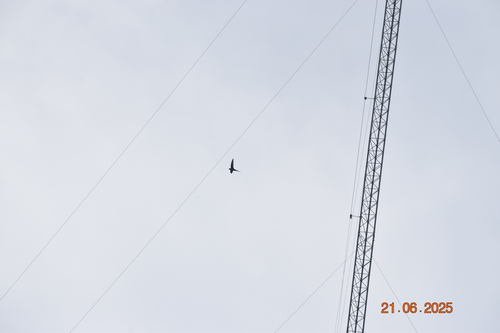 Fork-tailed Palm Swift
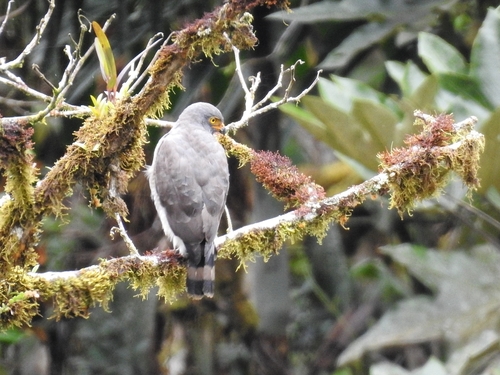 Roadside Hawk
In breve
Il modo più affidabile per separare il Fork-tailed Palm Swift dal Roadside Hawk è attraverso la struttura generale e lo stile di volo: il swift è un piccolo, snodato, veloce volatore aereo insettiere con ali lunghe e strette e una coda profondamente biforcuta, mentre il falco è un rapace molto più grande, con ali larghe e una coda relativamente lunga e barrata e ali corte e arrotondate. In volo, le ali a forma di falce del swift e i movimenti rapidi ed erratici sono inconfondibili, in contrasto con il volo più lento e planante o battente del falco. Anche il piumaggio è molto diverso: il swift è per lo più scuro con parti inferiori chiare macchiate, mentre il falco mostra parti superiori marroni o grigie, parti inferiori barrate e bande evidenti sulla coda. Anche a distanza, la differenza di dimensioni è estrema: il Fork-tailed Palm Swift è meno della metà della lunghezza e una piccola frazione della massa del Roadside Hawk.
Consigli di identificazione
- Size: Il Roadside Hawk è più lungo di oltre il doppio e oltre venti volte più pesante del Fork-tailed Palm Swift. Anche le silhouette distanti mostrano il falco come un grande uccello robusto.
- Flight style: I swift sono costantemente in volo rapido e agile, con ali a forma di falce e una coda profondamente biforcuta. I falchi planano, scivolano o battono le ali con battiti lenti e profondi e raramente mostrano i movimenti erratici e simili a pipistrelli del swift.
- Tail shape: Il Fork-tailed Palm Swift ha una lunga coda profondamente biforcuta, sempre evidente in volo. Il Roadside Hawk ha una coda lunga ma quadrata o leggermente arrotondata con bande grigie distinte.
- Wing shape: I swift hanno ali lunghe, strette e appuntite; i falchi hanno ali corte, larghe e arrotondate, particolarmente evidenti in volo.
- Perching behavior: I swift quasi mai si posano in aperto; se vedi un uccello posato eretto su un filo, ramo o palo, è un falco, non un swift.
- Plumage pattern: Il swift è uniformemente scuro sopra con parti inferiori chiare macchiate e senza barrature o toni rufous. Il falco è marrone o grigio sopra, con barrature marroni e bianche sotto e una coda a bande. In volo, il falco può mostrare un tocco di rufous sulle ali.
- Juvenile marks: I giovani swift hanno bordi delle piume color crema e una sfumatura color crema sulla testa, ma mancano ancora di qualsiasi barratura o bande sulla coda. I giovani falchi assomigliano agli adulti ma possono essere più chiari o meno distintamente barrati; tuttavia, il modello complessivo è completamente diverso da quello del swift.
- Bill: I swift hanno un becco piccolo e corto; i falchi hanno un becco grande e ricurvo, visibile anche a distanza quando sono posati.
- Eye color: I falchi adulti hanno occhi bianchi o gialli, che possono essere visti da vicino; gli occhi del swift sono scuri e non distintivi sul campo.
- Habitat context: I swift sono quasi sempre visti intorno alle palme, spesso in piccoli gruppi. I falchi si trovano in una vasta gamma di habitat aperti e semi-aperti, spesso soli o in coppia, e non sono legati alle palme.
- Vocalizations: Il Roadside Hawk è molto vocale, con un grido acuto; i swift sono generalmente silenziosi o emettono solo deboli cinguettii alti.
- Feeding behavior: I swift catturano insetti in volo; i falchi cacciano da posatoi o mentre planano, prendendo piccoli mammiferi, rettili e occasionalmente uccelli.
- Flock size: I swift spesso si nutrono in piccoli gruppi; i falchi sono solitari o in coppia.
- Jizz at a glance: Se l'uccello si muove rapidamente, in modo erratico e non si posa mai, pensa swift. Se sta planando, scivolando o posato eretto, pensa falco.
- Common pitfalls: A grande distanza, un piccolo falco potrebbe sembrare 'simile a un swift' se visto solo come silhouette, ma la mancanza di una coda biforcuta, le ali più larghe e il volo più lento e costante sono indizi. I swift non mostrano mai la coda a bande del falco o le barrature sotto.
Taglia
Il Fork-tailed Palm Swift è lungo circa 13 cm e pesa 9–13.6 g [wikipedia], rendendolo un piccolo e delicato uccello. Il Roadside Hawk è molto più grande, lungo 31–41 cm e pesa 250–300 g [wikipedia], con femmine fino al 20% più grandi dei maschi. Il falco è più del doppio della lunghezza e oltre venti volte la massa del swift. Questo divario di dimensioni è ovvio anche a distanza, specialmente in volo.
Piumaggio
Nessun modello di età o di ali in entrambe le specie è remotamente simile. Il Fork-tailed Palm Swift (adulto e giovane) è marrone scuro sopra con una lucentezza verdognola, bordi delle piume grigio chiaro e una gola bianco pallido con macchie scure. Le parti inferiori sono chiare con macchie marroni chiare, e la coda è profondamente biforcuta e scura. I giovani hanno una sfumatura color crema sulla testa e bordi delle piume color crema. Il Roadside Hawk (adulto e giovane) è marrone o grigio sopra, con un petto e parti inferiori barrate marrone e bianco, e una coda con 4–5 bande grigie. In volo, il falco mostra spesso un tocco di rufous sulle ali e una coda relativamente lunga e ovviamente a bande. Il piumaggio del swift è uniforme e privo di barrature o toni rufous. Nessuna differenza di piumaggio stagionale o basata sul sesso è significativa per la separazione sul campo.
Comportamento
Il Fork-tailed Palm Swift è quasi sempre visto volare rapidamente ed erraticamente in alto sopra o intorno alle palme, raramente posandosi se non brevemente su fronde di palma. Il suo volo è veloce, agile e continuo, spesso in piccoli gruppi. Il Roadside Hawk è più spesso visto posato eretto su rami esposti, fili o pali lungo le strade, a caccia di prede, o planando con battiti lenti e profondi delle ali. Raramente si libra e generalmente è solitario o in coppia. Il swift non si libra mai o si posa in aperto come un falco.
Habitat
Il Fork-tailed Palm Swift è strettamente associato agli alberi di palma, specialmente le palme moriche, in savane di pianura, paludi di palma, foreste ripariali e aree urbane con palme [wikipedia]. È quasi mai visto lontano dalle palme. Il Roadside Hawk è un generalista dell'habitat, comune in boschi aperti, bordi forestali, savane e specialmente lungo strade e radure in tutto il suo areale. È spesso il rapace più comune nella sua area e non è legato alle palme.
Voce
Il Fork-tailed Palm Swift è generalmente silenzioso e non è noto per richiami distintivi sul campo. Il Roadside Hawk è molto vocale, con un grido acuto e penetrante che spesso si sente prima di vedere l'uccello. Se senti un forte richiamo ripetuto, è quasi certamente il falco.
Fork-tailed Palm Swift · Roadside Hawk · I miei uccelli difficili