
Fork-tailed Drongo vs Green-backed Camaroptera
Dicrurus adsimilis contro Camaroptera brachyura
Fai un quiz con Fork-tailed Drongo e Green-backed Camaroptera
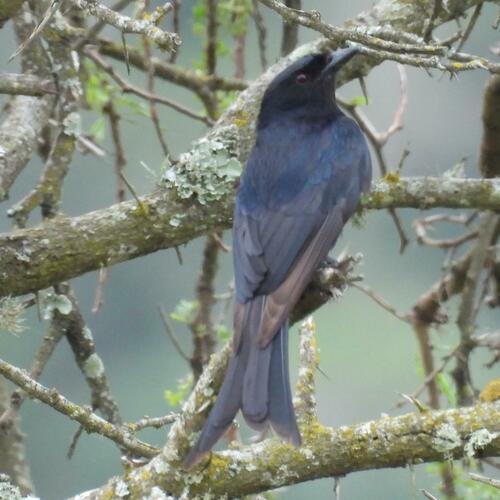 Fork-tailed Drongo
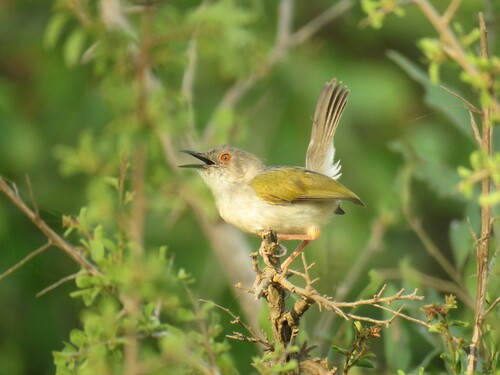 Green-backed Camaroptera
In breve
Il segno distintivo più affidabile per separare il Fork-tailed Drongo dal Green-backed Camaroptera è il colore e la struttura complessivi: i drongos sono neri lucidi con una coda profondamente biforcuta e un becco robusto, mentre i camaropteras sono piccoli, warblers con dorso verde, ali olive, parti inferiori grigio-biancastre e una coda corta e arrotondata. I drongos juvenili sono marroni con punte di piume color sabbia e una biforcazione della coda meno pronunciata, ma non mostrano mai le tonalità verdi e grigie del camaroptera. In volo o posati, la dimensione del drongo, la lunga coda biforcuta e la postura eretta contrastano nettamente con l'aspetto piccolo, rotondo, con coda corta e furtivo del camaroptera. Anche a distanza, la colorazione nera e la silhouette del drongo sono diagnostiche.
Consigli di identificazione
- Forma della coda: Il Fork-tailed Drongo ha una lunga coda profondamente biforcuta in tutte le livree (i juvenili meno, ma comunque più lunghi e appuntiti del camaroptera). Il Green-backed Camaroptera ha una coda corta, arrotondata e non biforcuta. Questo è il segno strutturale più affidabile.
- Colore complessivo: Il Drongo è nero lucido (adulti) o marrone scuro (juvenili), mai verde o oliva. Il Camaroptera è verde sopra, con ali olive e parti inferiori grigio-biancastre, mai nero o marrone nel complesso.
- Dimensione e struttura: Il Drongo è molto più grande e pesante (oltre 4 volte la massa), con un corpo robusto e una postura eretta. Il Camaroptera è minuscolo, con corpo rotondo e delicato, con un becco e una coda corti.
- Becco: Il Drongo ha un becco nero spesso e robusto; il becco del camaroptera è fine e corto, tipico dei warblers insettivori.
- Colore degli occhi: Il drongo adulto ha occhi rossi; gli occhi del camaroptera non sono descritti come rossi. Il drongo juvenile ha occhi marroni o grigi.
- Comportamento di posarsi: Il drongo spesso si posa apertamente e in modo evidente, a volte in alto. Il camaroptera rimane basso in copertura densa, raramente posandosi in aperto.
- Silhouette in volo: Il drongo in volo mostra una lunga coda biforcuta e un volo forte e diretto. Il camaroptera ha un volo debole, con una coda corta e arrotondata e una forma compatta.
- Livrea giovanile: Il drongo juvenile è marrone scuro con punte color sabbia e una coda meno biforcuta, ma manca comunque di qualsiasi tono verde o oliva. Il camaroptera juvenile è di un giallo più chiaro sul petto ma sempre con dorso verde.
- Parti inferiori: Il drongo è uniformemente nero sotto; il camaroptera è grigio-biancastro sotto (adulti) o giallo pallido (juvenili).
- Contesto dell'habitat: Il drongo si trova in boschi aperti, savane e a volte vicino a zone umide o fattorie; il camaroptera si trova sempre in vegetazione densa e intricata.
- Indizi comportamentali: Il drongo è audace, aggressivo e spesso visto a mobbare altri uccelli. Il camaroptera è timido, furtivo e raramente emerge dalla copertura.
- Posizionamento del nido: Il drongo nidifica in alto (2.2–17m) negli alberi; il camaroptera lega insieme foglie in basso nei cespugli.
- Sessi: Entrambe le specie sono sessualmente monomorfiche nella livrea, quindi il sesso non è un segno utile sul campo.
- Tempi di muta: I drongos adulti mutano dopo la riproduzione (Dic–Mar nell'Africa meridionale); la muta del camaroptera non è descritta, ma questo non è un segno sul campo.
- Leucismo: Rari drongos leucistici possono apparire più chiari, ma la struttura e la forma della coda li separano comunque dal camaroptera.
Taglia
Il Fork-tailed Drongo è sostanzialmente più grande e pesante (massa corporea ~43.4g) rispetto al Green-backed Camaroptera (~10.0g). Il drongo è un passeriforme robusto e di dimensioni medio-piccole con una lunga coda profondamente biforcuta (lunghezza della coda 115–126 mm), mentre il camaroptera è un warbler minuscolo e compatto con una coda corta (il nome della specie 'brachyura' significa letteralmente 'coda corta'). Sul campo, il drongo appare molto più massiccio e lungo, specialmente quando è posato o in volo, mentre il camaroptera è facilmente trascurato a causa delle sue piccole dimensioni e della tendenza a rimanere basso in copertura densa.
Piumaggio
I drongos juvenili Fork-tailed sono marroni scuri con punte color sabbia e una biforcazione della coda meno pronunciata, e hanno occhi marroni o grigi e una bocca pallida; mancano del lucido blu-verde degli adulti ma rimangono scuri nel complesso. Gli adulti sono neri lucidi con iridescenza blu-verde sulle parti superiori e un ventre uniformemente nero, oltre a una lunga coda nera profondamente biforcuta. I Green-backed Camaroptera di tutte le età hanno parti superiori verdi, ali olive e parti inferiori grigio-biancastre; i juvenili sono di un giallo più chiaro sul petto ma non si avvicinano mai alla colorazione scura del drongo. La coda del camaroptera è corta e arrotondata, mai biforcuta. Nessuna età di camaroptera mostra le tonalità nere o iridescenti del drongo, e nessun drongo è mai verde o oliva. In volo, la coda biforcuta del drongo e le ali nere lucide si distinguono, mentre il camaroptera è piccolo, arrotondato e poco appariscente.
Comportamento
Il Fork-tailed Drongo è spesso visto posato in modo evidente su rami aperti, fili o posatoi esposti, lanciandosi per catturare insetti in volo e tornando allo stesso punto. È audace e aggressivo, a volte mobbando uccelli più grandi. Il Green-backed Camaroptera è segreto e furtivo, tipicamente rimanendo basso in folti cespugli o sottobosco, raramente posandosi in aperto. Si muove rapidamente e silenziosamente attraverso il fogliame, spesso legando insieme foglie per il suo nido. La postura eretta e allerta del drongo e il comportamento aperto contrastano con i movimenti furtivi e a livello del suolo del camaroptera.
Habitat
Entrambe le specie si trovano nell'Africa subsahariana, ma il Fork-tailed Drongo predilige habitat boschivi più aperti, boschi e savane, spesso vicino ai margini delle foreste o in campagna aperta. È frequentemente visto in aree aperte, a volte vicino a zone umide o fattorie durante la riproduzione. Il Green-backed Camaroptera è uno specialista della copertura densa, preferendo sottobosco spesso, cespugli intricati e vegetazione bassa, dove rimane nascosto. Se l'uccello è visto in aperto o in alto, è molto più probabile che sia un drongo; il camaroptera è quasi sempre vicino al suolo in folta vegetazione.
Fork-tailed Drongo · Green-backed Camaroptera · I miei uccelli difficili