

Moretta tabaccata vs Moretta
Aythya nyroca contro Aythya fuligula
Fai un quiz con Moretta tabaccata e Moretta
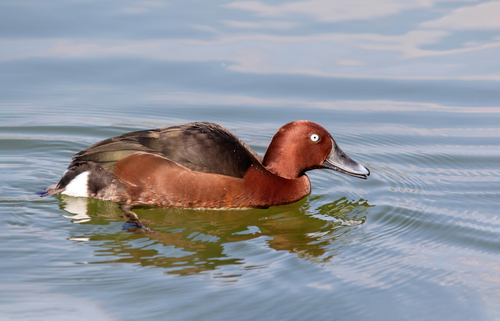 Moretta tabaccata
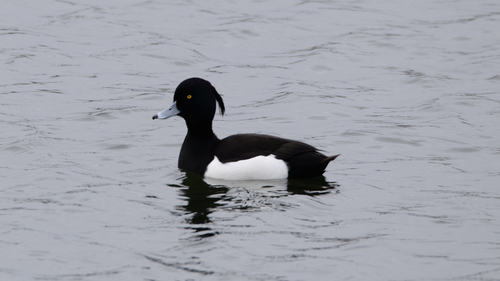 Moretta
In breve
Il segno distintivo più affidabile per separare la Moretta tabaccata dalla Moretta è la presenza di un prominente ciuffo sulla testa nei maschi di Moretta, che è sempre assente nella Moretta tabaccata. In volo, la Moretta tabaccata di tutte le età mostra un ventre bianco distintivo e una macchia bianca sotto le ali, mentre i maschi di Moretta hanno fianchi bianchi sorprendenti e un dorso nero, senza bianco sotto le ali. Entrambe le specie possono verificarsi insieme in stormi misti, specialmente in inverno, ma un'attenta attenzione alla forma della testa, al colore degli occhi e al motivo della parte inferiore della coda risolverà la maggior parte delle confusioni, specialmente tra le femmine e gli immaturi. I maschi di Moretta tabaccata hanno un tono castano ricco e copritail bianco puro, mentre i maschi di Moretta sono neri e bianchi con un becco blu-grigio.
Consigli di identificazione
- Ciuffo sulla testa: Solo i maschi di Moretta hanno un prominente ciuffo nero pendente; la Moretta tabaccata non mostra mai questa caratteristica. Questo è il controllo più rapido sul campo per i maschi adulti.
- Schema di volo (tutte le età): La Moretta tabaccata mostra un ventre bianco e una macchia bianca distintiva sotto le ali in volo, mentre la Moretta manca di queste e mostra un sottocoda scuro più uniforme.
- Colore dei fianchi (maschi adulti): I maschi di Moretta hanno fianchi bianchi brillanti che contrastano con un dorso nero; i maschi di Moretta tabaccata sono castano ricco senza bianco sui fianchi.
- Copritail: La Moretta tabaccata di entrambi i sessi mostra copritail bianchi puri, particolarmente evidenti se il maschio arriccia la coda durante la display. La Moretta non ha questa caratteristica.
- Colore del becco: I maschi di Moretta hanno un becco blu-grigio; il becco della Moretta tabaccata è meno distintivo e non evidenziato come separatore.
- Colore degli occhi: I maschi di Moretta tabaccata hanno un occhio giallo, mentre le femmine hanno un occhio scuro. Il colore degli occhi della Moretta non è specificato come diagnostico nelle fonti, ma occhi gialli in un'anatra castana indicano Moretta tabaccata.
- Confusione femminile: Le femmine di Moretta sono marroni con fianchi più chiari e possono mostrare un po' di bianco alla base del becco, ma mai quanto il scaup. Le femmine di Moretta tabaccata sono marroni più opache con una parte inferiore bianca e un occhio scuro. La parte inferiore e il tono complessivo più caldo aiutano a separarle.
- In pericolo vs. nuotando: Sull'acqua, cerca la forma della testa e il ciuffo (Moretta) rispetto alla testa più arrotondata e al tono castano (Moretta tabaccata). In volo, dai priorità al motivo sotto le ali e al ventre.
- Stormi misti: Entrambe le specie possono verificarsi insieme, specialmente in inverno. Controlla sempre più di una caratteristica, poiché si verificano ibridi e individui strani.
- Comportamento di corteggiamento: I maschi di Moretta tabaccata possono arricciare la coda per mostrare una macchia bianca triangolare sotto la coda; i maschi di Moretta non si esibiscono in questo modo.
- Vocalizzazioni: Se sentito, un forte richiamo 'karr' in volo indica la femmina di Moretta. La Moretta tabaccata è generalmente silenziosa.
- Età/stagione: Le anatre Moretta tabaccata juvenile e immature mostrano ancora il bianco sotto le ali e il ventre in volo, quindi questo segno è affidabile tutto l'anno.
- Contesto dell'habitat: Entrambe le specie utilizzano habitat simili, quindi non fare affidamento solo sulla posizione per la separazione.
- Dimensioni: Entrambe sono simili in dimensioni; non utilizzare la dimensione come separatore primario.
- Trappole comuni: Fai attenzione alle femmine di Moretta con un po' di bianco alla base del becco, che possono somigliare al scaup ma non alla Moretta tabaccata. Controlla sempre la parte inferiore e la forma della testa.
Taglia
La Moretta tabaccata pesa in media circa 551,5 g [wikidata], rendendola un'anatra tuffatrice di dimensioni medie. La Moretta è descritta come piccola per un Aythya, ma non è fornito alcun peso diretto nelle fonti. Sul campo, la differenza di dimensione è minima e non è un separatore affidabile tra queste due, specialmente in stormi misti.
Piumaggio
Le anatre Moretta tabaccata juvenile e immature, così come gli adulti, mostrano un ventre bianco e una macchia bianca sotto le ali in volo, che non è presente nella Moretta. I maschi adulti di Moretta tabaccata sono di un castano scuro ricco con copritail bianchi puri, mentre le femmine sono marroni più opache ma mostrano ancora la parte inferiore bianca. I maschi adulti di Moretta sono neri con fianchi bianchi e un prominente ciuffo nero; le femmine sono marroni con fianchi più chiari e possono mostrare un po' di bianco alla base del becco, ma mai quanto il scaup. La differenza chiave negli uccelli in pericolo è il ciuffo dei maschi di Moretta e la colorazione castana e la parte inferiore bianca della Moretta tabaccata. Le femmine di Moretta tabaccata hanno un occhio scuro, mentre il colore degli occhi delle femmine di Moretta non è specificato come diagnostico. In volo, il bianco sotto le ali e il ventre della Moretta tabaccata è un segno forte in tutte le età.
Comportamento
Entrambe le specie sono anatre tuffatrici e spesso si nutrono tuffandosi o galleggiando. La Moretta tabaccata è meno sociale della Moretta ma può formare grandi stormi in inverno, a volte misti con le Morette. I maschi di Moretta tabaccata possono esibirsi arricciando la coda per mostrare una macchia bianca triangolare sotto la coda durante il corteggiamento, un comportamento non notato per la Moretta. Entrambe le specie possono essere viste nutrirsi di notte e capovolgersi per cercare cibo.
Habitat
Entrambe le specie si trovano nell'Eurasia settentrionale e nel Paleartico, spesso condividendo gli stessi laghi e zone umide, specialmente in inverno. La Moretta tabaccata tende a nidificare in siti più nascosti o protetti, a volte in colonie con gabbiani, mentre la Moretta è diffusa e parzialmente migratoria. L'habitat da solo non è un separatore affidabile dove entrambe si verificano.
Voce
Le femmine di Moretta emettono un forte richiamo, ringhiante "karr", specialmente in volo, e i maschi fischiano durante il corteggiamento con un semplice "wit-oo". Le vocalizzazioni della Moretta tabaccata non sono descritte nelle fonti, quindi la voce non è un forte separatore in questo gruppo.