

Fairy Prion vs Broad-billed Prion
Pachyptila turtur contro Pachyptila vittata
Fai un quiz con Fairy Prion e Broad-billed Prion
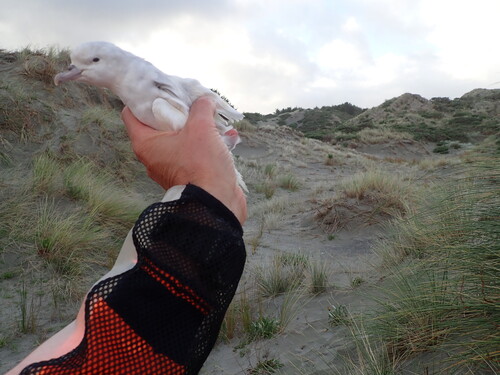 Fairy Prion
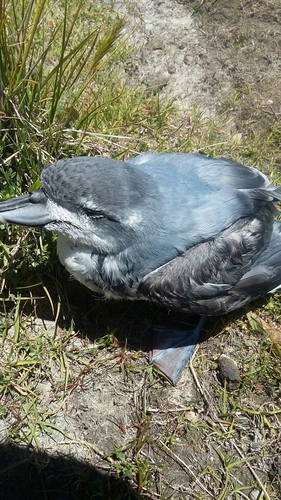 Broad-billed Prion
In breve
Il segno distintivo più affidabile per separare il Fairy Prion dal Broad-billed Prion è il becco: il Broad-billed Prion ha un becco molto più ampio, pesante e grigio ferro, mentre il becco del Fairy Prion è più snello e blu pallido. In volo o a riposo, entrambi mostrano parti superiori blu-grigie con una 'M' scura sulle ali e una coda con punta nera, ma il Broad-billed Prion è visibilmente più grande e ha un motivo della testa più distinto (corona grigia, striscia oculare scura). La banda della coda è meno estesa nel Broad-billed Prion rispetto al Fairy Prion. Queste differenze sono sottili in mare, ma la struttura e la dimensione del becco sono i migliori indizi se visti bene.
Consigli di identificazione
- Forma e colore del becco: Il Broad-billed Prion ha un becco molto più ampio, pesante e grigio ferro-nerastro; il becco del Fairy Prion è più snello e blu pallido. Questo è il segno distintivo più affidabile se il becco è visibile.
- Dimensione e struttura: Il Broad-billed Prion è più robusto e ha ali più lunghe, pesando fino a 235 g rispetto ai 139 g del Fairy Prion. Se entrambi sono visti insieme, il Broad-billed Prion apparirà visibilmente più grande.
- Motivo della testa: Il Broad-billed Prion mostra una corona grigia distintiva e una pronunciata striscia oculare scura, dando al viso un aspetto più contrastante. La testa del Fairy Prion è più semplice e meno distintamente marcata.
- Banda della coda: Il Fairy Prion ha una punta nera più estesa sulla coda, mentre la banda della coda del Broad-billed Prion è meno estesa. Questo è sottile e potrebbe essere difficile da giudicare in mare.
- Parti superiori e segno 'M': Entrambi mostrano la classica 'M' del prion sulle ali superiori e sulla schiena; questo non è un separatore.
- Colore delle gambe: Il Fairy Prion ha gambe e piedi blu, ma questo è raramente visibile in campo.
- Stile di volo: Entrambe le specie sono agili e galleggianti in volo, ma il Broad-billed Prion può apparire più pesante e potente a causa della sua dimensione.
- Comportamento alimentare: Se visto mentre si nutre, il Broad-billed Prion può essere osservato mentre idroplaning (scivolando con il becco nell'acqua), mentre il Fairy Prion più spesso afferra o immerge prede dalla superficie.
- Confusione in mare: Entrambe le specie sono estremamente simili in mare, e anche gli esperti possono avere difficoltà a separarle senza una chiara visione del becco o un confronto diretto delle dimensioni.
- Sessi e età: Entrambi i sessi sono simili in entrambe le specie, e non ci sono differenze documentate specifiche per età nel motivo delle ali superiori o nel piumaggio tra i giovani e gli adulti per l'identificazione sul campo.
- Contesto: Entrambe le specie si trovano insieme negli oceani meridionali e nidificano su isole simili, quindi la posizione da sola non è diagnostica.
- Voce: Non sono state notate differenze vocali distintive per la separazione sul campo.
- Trappole: Fai attenzione alla sovrapposizione con altre specie di prion, specialmente il Fulmar Prion, che è anche molto simile; concentrati sempre sulla struttura del becco e sul motivo della testa per avere la migliore possibilità di identificazione corretta.
- Illuminazione e distanza: Il colore del becco e il motivo della testa possono essere difficili da giudicare in scarsa luce o a distanza; in tali casi, l'identificazione potrebbe non essere possibile.
- Suggerimento riassuntivo: Se vedi un prion con un becco distintamente ampio, pesante, grigio ferro e un forte motivo della testa, favorisci il Broad-billed Prion; se il becco è snello e blu pallido e l'uccello è più piccolo, favorisci il Fairy Prion.
Taglia
Il Broad-billed Prion è il prion più grande, misurando 25–30 cm di lunghezza con un'apertura alare di 57–66 cm e una massa di 160–235 g. Il Fairy Prion è più piccolo, lungo circa 25 cm con un'apertura alare di 56 cm e una massa di 139 g. In un confronto diretto, il Broad-billed Prion appare più robusto e con ali più lunghe, ma la sovrapposizione nella lunghezza significa che la dimensione da sola non è sempre affidabile a meno che entrambe le specie non siano viste insieme.
Piumaggio
Entrambe le specie condividono parti superiori blu-grigie, una 'M' scura sulla schiena e sulle ali, parti inferiori bianche e una coda con punta nera. Tuttavia, il Broad-billed Prion ha un motivo della testa più distintivo con una corona grigia e una pronunciata striscia oculare scura, mentre la testa del Fairy Prion è più semplice. La banda della coda è meno estesa nel Broad-billed Prion. Entrambi i sessi sono simili e non ci sono menzioni di motivi specifici per età nelle ali superiori o differenze nei giovani nelle fonti, quindi questi segni si applicano a tutte le età. Il colore del becco è anche un indizio: il becco del Fairy Prion è blu pallido, quello del Broad-billed Prion è grigio ferro-nerastro. In scarsa luce o in mare, queste differenze possono essere molto sottili.
Comportamento
Entrambe le specie sono pelagiche e gregarie, spesso viste in stormi sopra gli oceani meridionali. Il Broad-billed Prion è noto per l'idroplaning, volando con il becco nell'acqua per scivolare e filtrare il cibo, mentre il Fairy Prion tipicamente afferra prede dalla superficie o immerge il suo becco mentre vola. Nessuna delle due specie è fortemente associata a pescherecci. Il comportamento non è un forte separatore sul campo, eccetto forse per la tecnica di alimentazione se osservata bene.
Habitat
Entrambe le specie nidificano su isole subantartiche e temperate meridionali e sono diffuse negli oceani meridionali. C'è una significativa sovrapposizione nell'areale e nell'habitat, quindi il contesto non è un separatore affidabile. Entrambi nidificano colonialmente su isole, spesso in tane o crepe.