

Allodola vs Tordo bottaccio
Alauda arvensis contro Turdus philomelos
Fai un quiz con Allodola e Tordo bottaccio
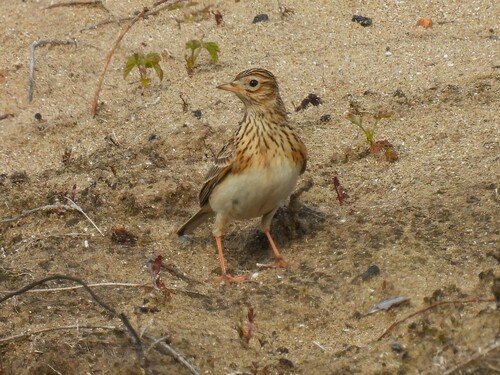 Allodola
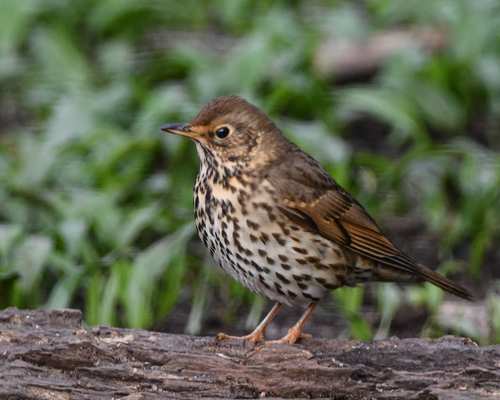 Tordo bottaccio
In breve
Il modo più affidabile per separare l'Allodola dal Tordo bottaccio sul campo è attraverso la struttura generale e lo stile di volo: le allodole sono più piccole, più snelle e mostrano una coda corta con bordi bianchi e ali larghe e arrotondate, mentre i tordi bottacci sono più robusti, con una coda più lunga e hanno parti superiori marroni uniformi con macchie nere audaci sotto. In volo, le allodole rivelano bordi bianchi sulle ali e sulla coda, specialmente quando volano via, mentre i tordi bottacci mostrano ali inferiori gialle calde e mancano di bianco evidente nella coda. I giovani di entrambe le specie assomigliano agli adulti, ma solo il tordo ha parti superiori striate da giovane. Le allodole sono uccelli di campi aperti e spesso si esibiscono planando e cantando in alto, mentre i tordi bottacci sono più propensi a essere visti posati sugli alberi o cercando cibo a terra in habitat boschivi o da giardino. Anche i loro canti sono molto diversi: l'allodola emette un continuo e frizzante gorgheggio in volo planato, mentre il tordo canta frasi musicali ripetute da un posatoio.
Consigli di identificazione
- Dimensione e robustezza: Il Tordo bottaccio è visibilmente più grande e pesante dell'Allodola. Se l'uccello appare delle dimensioni di un tordo o più grande di un passero, non è un'allodola.
- Forma e lunghezza della coda: L'Allodola ha una coda corta con bordi bianchi visibili in volo (specialmente quando vola via); il Tordo bottaccio ha una coda più lunga e più squadrata senza bordi bianchi.
- Stile di volo: L'Allodola spesso plana in alto nell'aria, cantando; il Tordo bottaccio vola basso e diretto, non plana mai e canta da un posatoio.
- Schema delle ali superiori e della coda in volo: Le allodole adulte e giovani mostrano bordi bianchi sulle ali e sulla coda quando volano via; i tordi mostrano ali inferiori gialle calde ma nessun bianco nella coda.
- Cresta: L'Allodola ha una cresta corta e smussata che può essere sollevata; il Tordo bottaccio ha sempre una testa liscia e arrotondata.
- Parti inferiori: Il Tordo bottaccio ha macchie nere audaci su parti inferiori crema o color sabbia; l'allodola è più chiara sotto con striature fini, mai macchie audaci.
- Parti superiori (adulti): L'Allodola è striata di marrone sopra; il Tordo bottaccio è marrone uniforme sopra, a volte con una tonalità più fredda negli uccelli orientali.
- Piumaggio giovanile: Il giovane Tordo bottaccio ha striature color sabbia/arancione sulla schiena e sulle copritrici delle ali; il giovane allodola non ha.
- Becco e zampe: Il Tordo bottaccio ha un becco giallastro e zampe rosa; il becco dell'allodola è più fine e meno colorato, le zampe meno distintamente rosa.
- Habitat: L'Allodola si trova in campi aperti e praterie, raramente vicino agli alberi; il Tordo bottaccio preferisce aree boschive, giardini e parchi.
- Canto: L'Allodola canta un lungo e continuo gorgheggio in volo; il Tordo bottaccio canta frasi musicali ripetute da un posatoio.
- Comportamento di posatura: Il Tordo bottaccio spesso si posa sugli alberi o sugli arbusti; l'allodola quasi mai, preferendo il terreno.
- Cerca cibo: Il Tordo bottaccio può essere visto rompere le lumache contro le pietre; l'allodola si nutre di semi e insetti a terra aperta.
- Contesto stagionale: Entrambe le specie sono presenti tutto l'anno in gran parte dell'Europa, ma le allodole sono meno probabili in aree urbane o boschive in qualsiasi stagione.
- Trappole: Fai attenzione agli uccelli lontani in volo: un'allodola che vola via può apparire più grande a causa delle sue ali larghe, ma i bordi bianchi della coda e il comportamento di planata sono diagnostici. I giovani tordi possono apparire più caldi sopra, ma mostrano sempre macchie audaci sotto e mancano delle parti superiori striate dell'allodola.
Taglia
Il Tordo bottaccio è decisamente più grande e pesante dell'Allodola. Il Tordo bottaccio misura 20–23,5 cm di lunghezza e pesa in media circa 72 g, mentre l'Allodola è più piccola a 18–19 cm (nessun peso fornito, ma sempre più leggera di un tordo). Sul campo, il tordo appare più robusto, con un corpo più robusto e una coda più lunga, rispetto all'allodola più delicata, compatta e con coda corta. Questa differenza di dimensione è solitamente evidente quando entrambe le specie sono viste in contesti simili.
Piumaggio
- Uccelli giovani/immaturi: I giovani Tordi bottacci hanno striature color sabbia o arancione sulla schiena e sulle copritrici delle ali, oltre alle tipiche parti inferiori macchiate, mentre i giovani Allodole sono simili agli adulti e mancano di tali striature. Questo fa apparire i giovani tordi più caldi e più patternizzati sopra rispetto a qualsiasi allodola.
- Adulti: L'Allodola è complessivamente marrone sopra e più chiara sotto, con una cresta corta e smussata (a volte sollevata), e mostra bordi bianchi sulla coda e sull'ala posteriore in volo (specialmente quando vola via). Gli adulti del Tordo bottaccio sono marroni uniformi sopra, con macchie nere audaci su parti inferiori crema o color sabbia, e hanno un'ala inferiore gialla calda visibile in volo. La coda del tordo manca di bordi bianchi ed è più lunga e più squadrata. Le parti superiori dell'allodola sono più striate e meno uniformi rispetto alla schiena marrone uniforme del tordo. Il becco del tordo è giallastro e le zampe sono rosa, mentre il becco dell'allodola è più delicato e meno colorato.
Comportamento
L'Allodola è famosa per il suo volo di esibizione: i maschi planano in alto sopra i campi aperti, cantando continuamente per minuti alla volta, apparendo spesso come un punto lontano nel cielo. A terra, le allodole sono solitamente viste camminare o correre in praterie aperte, raramente posandosi sugli alberi. Al contrario, i Tordi bottacci sono più spesso visti cercare cibo a terra in giardini, parchi o bordi boschivi, o posati su alberi o arbusti. Non planano né si esibiscono in volo, e il loro volo è tipicamente diretto e basso, con battiti d'ali rapidi e un movimento più robusto e deciso. I tordi possono anche essere visti rompere le lumache contro le pietre, un comportamento mai mostrato dalle allodole.
Habitat
L'Allodola è uno specialista di terreni agricoli aperti, praterie e brughiere, evitando aree boschive e raramente entrando nei giardini. Preferisce spazi ampi e aperti con poca o nessuna copertura arborea. Il Tordo bottaccio, d'altra parte, si trova in una varietà di habitat tra cui boschi, parchi, giardini e siepi, spesso vicino ad alberi o arbusti densi. È molto più probabile incontrarlo in ambienti suburbani o urbani rispetto a un'allodola.
Voce
I canti di queste due specie sono sorprendentemente diversi e sono tra i migliori modi per separarle. L'Allodola canta un lungo, continuo e frizzante gorgheggio, emesso in volo planato in alto sopra i campi aperti. Il canto può durare diversi minuti ed è spesso udito prima che l'uccello venga visto. Il Tordo bottaccio canta da un posatoio, di solito in un albero o arbusto, con una serie di frasi musicali chiare, ciascuna ripetuta da due a quattro volte prima di passare a una nuova frase. Il canto del tordo è forte, si sente lontano ed è intercalato da note graffianti e mimetismo. Anche le chiamate differiscono: il tordo emette un 'tsip' o 'chook-chook' acuto, mentre le chiamate dell'allodola sono meno distintive e raramente udite tranne che in volo.