

Allodola vs Oriental Skylark
Alauda arvensis contro Alauda gulgula
Fai un quiz con Allodola e Oriental Skylark
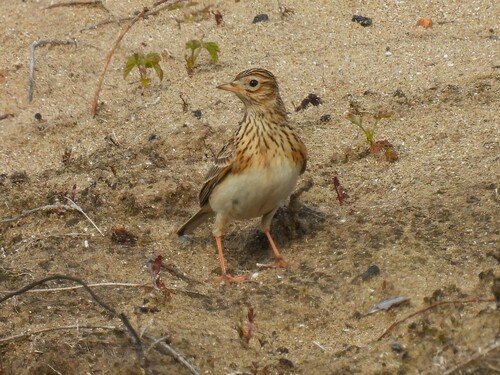 Allodola
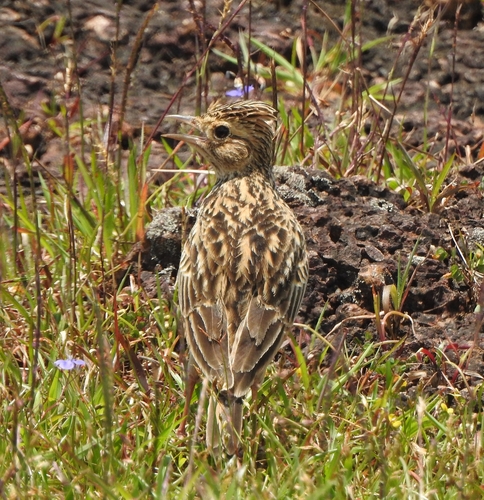 Oriental Skylark
In breve
Il segno distintivo più affidabile per separare l'Allodola dall'Oriental Skylark in volo è la presenza o l'assenza di un bordo bianco sul retro delle ali: l'Allodola (tutte le età) mostra un chiaro bordo posteriore bianco sull'ala, mentre l'Oriental Skylark manca di questa caratteristica. L'Oriental Skylark è anche più piccolo, con un becco notevolmente più lungo e appuntito, e ha penne esterne della coda di tonalità buff piuttosto che quelle più bianche dell'Allodola. Entrambe le specie sono marroni e striate sopra con una cresta corta, ma l'Allodola appare più robusta con ali più larghe e una coda più lunga. Queste differenze sono più evidenti quando si osservano gli uccelli in volo o fianco a fianco, ma possono essere sottili su uccelli posati o viste a distanza.
Consigli di identificazione
- Bordo bianco sul retro dell'ala (volo): L'Allodola di tutte le età mostra un chiaro bordo posteriore bianco sull'ala in volo; l'Oriental Skylark manca di questa caratteristica. Questo è il segno più affidabile, specialmente per gli uccelli in volo o viste a distanza.
- Colore delle penne esterne della coda: L'Allodola ha penne esterne della coda bianche, particolarmente evidenti quando vola via. Le penne esterne della coda dell'Oriental Skylark sono di tonalità più buff, il che è meno evidente.
- Forma del becco: L'Oriental Skylark ha un becco più lungo e appuntito, mentre il becco dell'Allodola è più corto e smussato. Questo è meglio apprezzato da vicino o con buone viste.
- Dimensione e struttura: L'Allodola è più grande e robusta, con ali più larghe e una coda più lunga. L'Oriental Skylark è più piccolo, più compatto, con una coda e ali più corte. Queste differenze sono sottili a meno che gli uccelli non siano visti insieme.
- Forma dell'ala: L'Allodola (soprattutto i maschi) ha ali più larghe, che aiutano nella sua esibizione in volo stazionario. Le ali dell'Oriental Skylark sono più corte e più strette.
- Cresta: Entrambe le specie hanno una cresta corta che può essere sollevata o abbassata; questo non è un separatore affidabile.
- Tono del piumaggio: L'Oriental Skylark è generalmente più giallo-marrone sopra, a volte più pesantemente striato (soprattutto in alcune sottospecie), ma questo è variabile e non sempre diagnostico.
- Comportamento in volo: L'Allodola spesso vola alta nell'aria mentre canta per periodi prolungati; il volo cantato dell'Oriental Skylark è meno persistente e più basso.
- Aspetto posato: L'Allodola appare più robusta e con una coda più lunga quando è posata; l'Oriental Skylark è più compatto.
- Habitat: Entrambe le specie preferiscono le praterie aperte, quindi l'habitat non è un separatore affidabile dove gli areali si sovrappongono. Usare con cautela.
- Canto: Il canto dell'Allodola è più lungo e più elaborato, eseguito da altezze maggiori e per periodi più lunghi. Il canto dell'Oriental Skylark è più corto e meno complesso, ma questo è utile solo se si sente il canto completo.
- Variazione delle sottospecie (Oriental Skylark): Alcune sottospecie di Oriental Skylark sono più chiare o più pesantemente striate, ma queste differenze sono sottili e non affidabili per la separazione sul campo dall'Allodola.
- Differenze sessuali: I maschi di Allodola hanno ali più larghe delle femmine, ma entrambi i sessi condividono i segni distintivi chiave sopra. I sessi dell'Oriental Skylark sono simili.
- Confusione giovanile/immatura: Il bordo bianco sul retro dell'ala nell'Allodola è presente in tutte le età, rendendolo un segno affidabile anche per i giovani uccelli.
- Trappole: Luce fioca, viste distanti o uccelli rivolti verso l'osservatore possono offuscare le caratteristiche chiave (ad es., coda e bordi delle ali). Cercare sempre di vedere l'uccello in volo da dietro o di lato per la migliore separazione.
Taglia
L'Allodola è più grande in generale, misurando 18–19 cm di lunghezza, mentre l'Oriental Skylark è più piccolo a 15.5–18 cm. L'Allodola appare anche più robusta e ha ali più larghe, soprattutto nei maschi, che è un adattamento per il volo stazionario prolungato. L'Oriental Skylark è più leggero (24–30 g) e più compatto, con una coda e ali più corte. La struttura del becco è anche un indizio: l'Oriental Skylark ha un becco più lungo e appuntito, mentre quello dell'Allodola è più corto e smussato. Queste differenze di dimensione e struttura sono più evidenti quando entrambe le specie sono viste insieme, ma possono essere sottili in isolamento o a distanza.
Piumaggio
- Giovanile/immaturo e volo adulto: L'Allodola di tutte le età mostra un bordo bianco sul retro delle ali in volo, una caratteristica chiave assente nell'Oriental Skylark. Le ali dell'Oriental Skylark mancano di questo bordo posteriore bianco, e le sue penne esterne della coda sono più buff che bianche. Entrambe le specie hanno parti superiori marroni striate e parti inferiori chiare, ma l'Oriental Skylark è generalmente più giallo-marrone e può essere più pesantemente striato sopra in alcune sottospecie. La coda dell'Allodola è bordata di bianco, particolarmente evidente quando l'uccello vola via, mentre i bordi della coda dell'Oriental Skylark sono più buff. Entrambi hanno una cresta corta, ma questo non è un forte separatore. Differenze sottili nel tono del piumaggio, striature e lunghezza del becco esistono tra le sottospecie di Oriental Skylark, ma queste sono raramente diagnostiche sul campo tranne che in confronto diretto.
Comportamento
Entrambe le specie sono allodole terricole di campagna aperta, ma l'Allodola è particolarmente nota per i suoi prolungati voli cantati in alto, a volte della durata di diversi minuti e eseguiti da altezze di 50–100 metri o più. L'Oriental Skylark canta anche in volo ma è meno spettacolare nella sua esibizione e non si libra così persistentemente o così in alto. Le ali più larghe dell'Allodola aiutano in questo comportamento di volo stazionario, e i maschi possono essere visti circolare o salire in alto mentre cantano. Il comportamento posato è simile, con entrambe le specie spesso viste a terra o su posatoi bassi.
Habitat
L'Allodola è diffusa in tutta Europa e nel Paleartico, preferendo terreni agricoli aperti, brughiere e praterie. L'Oriental Skylark si trova nella regione sino-indiana e in alcune parti dell'Asia centrale, preferendo anch'essa praterie aperte. Entrambe le specie si sovrappongono nel tipo di habitat (aree aperte e erbose), quindi l'habitat da solo non è un separatore affidabile dove gli areali si sovrappongono. Indizi contestuali possono aiutare nelle regioni dove ci si aspetta solo una specie.
Voce
L'Allodola è famosa per il suo lungo canto gorgheggiante e melodioso eseguito in volo stazionario prolungato, a volte della durata di fino a 20 minuti. L'Oriental Skylark canta anche in volo, ma il suo canto è generalmente più corto e meno elaborato. Sono state notate variazioni nei dialetti del canto e nei cambiamenti di frequenza nell'Allodola, ma questi non sono segni pratici per la separazione dall'Oriental Skylark. Entrambe le specie hanno tipi di richiamo simili, quindi la voce non è un forte separatore a meno che non si senta e si confronti il canto completo.