

Allodola vs Cappellaccia
Alauda arvensis contro Galerida cristata
Fai un quiz con Allodola e Cappellaccia
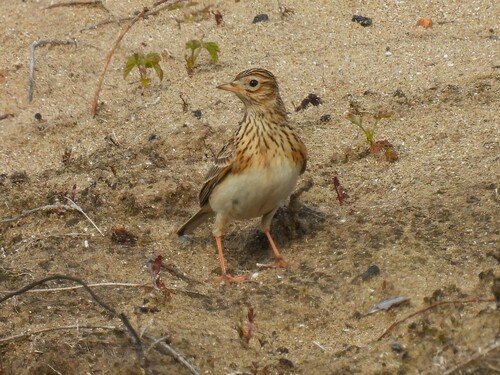 Allodola
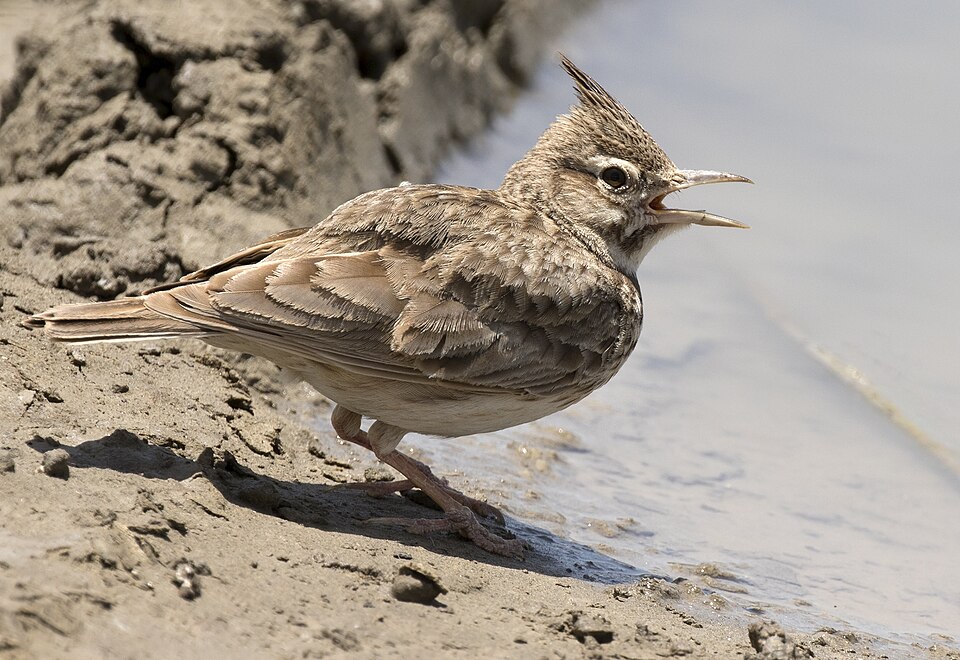 Cappellaccia
In breve
Il segno di campo più affidabile tra Allodola e Cappellaccia è la presenza di una cresta forte e sempre visibile sulla Cappellaccia, rispetto alla cresta più corta e spesso poco appariscente dell'Allodola. In volo, l'Allodola mostra bordi bianchi sulla coda e sull'ala posteriore, visibili quando vola via, mentre la Cappellaccia non ha questi bordi bianchi e mostra invece ali inferiori rossastre. Strutturalmente, la Cappellaccia appare più robusta con una testa e un corpo più pesanti e una cresta più pronunciata, mentre l'Allodola è più lunga e snella. Le Cappellacce juvenile hanno più macchie sopra rispetto agli adulti, ma questa non è una forte separazione dagli immaturi di Allodola. Entrambe le specie sono marroni e striate, ma prestando attenzione alla forma della cresta, al modello di coda e ali in volo e alla struttura generale, sarà possibile separarle nella maggior parte delle situazioni di campo.
Consigli di identificazione
- Forma e visibilità della cresta: La Cappellaccia mostra sempre una cresta prominente e appuntita, anche quando è rilassata. La cresta dell'Allodola è più corta, smussata e spesso appiattita, sollevata solo quando è eccitata o allarmata.
- Bordi della coda e delle ali in volo: L'Allodola mostra bordi bianchi sulla coda e sull'ala posteriore, visibili quando vola via. La Cappellaccia non ha questi bordi bianchi; la sua coda è corta con piume esterne marroni chiare.
- Colore delle ali inferiori in volo: La Cappellaccia mostra ali inferiori rossastre in volo, una caratteristica non presente nell'Allodola.
- Struttura generale: La Cappellaccia appare più robusta, con una testa e un corpo più pesanti e un aspetto più corto e massiccio. L'Allodola è più lunga, snella e più aerodinamica.
- Forma della testa: La cresta pronunciata della Cappellaccia le conferisce un profilo della testa appuntito e angolare, mentre la testa dell'Allodola è più arrotondata a meno che la cresta non sia sollevata.
- Piumaggio giovanile: Le Cappellacce giovani hanno più macchie sopra rispetto agli adulti, ma questa non è una forte separazione dagli immaturi di Allodola, che sono anch'essi striati.
- Stile di volo: Il volo dell'Allodola è leggero e spesso comporta un lungo e sostenuto galleggiamento durante il canto. Il volo della Cappellaccia è più ondulato e meno probabile che galleggi per periodi prolungati.
- Comportamento del canto: L'Allodola canta continuamente durante l'ascesa e mentre galleggia in alto. La Cappellaccia canta dal terreno o in quota, non durante l'ascesa, e il suo canto è più corto e più liquido.
- Preferenza dell'habitat: L'Allodola preferisce terreni agricoli aperti e brughiere; la Cappellaccia è più probabile trovarla in terre incolte, bordi stradali e margini urbani.
- Differenze sessuali: I maschi di Allodola hanno ali più larghe rispetto alle femmine (per galleggiare), ma questo è sottile sul campo. La Cappellaccia non mostra ovvie differenze sessuali.
- Forma del becco: Non è fortemente diagnostica in queste note, ma la Cappellaccia può mostrare un becco leggermente più pesante, specialmente nelle popolazioni del Nord Africa.
- Postura in perching: La Cappellaccia appare spesso eretta con la cresta sollevata; l'Allodola è più probabile che si accovacci con la cresta appiattita.
- Lunghezza della coda: L'Allodola ha una coda leggermente più lunga, ma questo è sottile e meglio giudicato in confronto diretto.
- Contesto: Se l'uccello canta da un alto galleggiamento, specialmente con un canto lungo e ininterrotto, è molto più probabile che sia un'Allodola. Se l'uccello canta dal terreno o da un posatoio basso, considera la Cappellaccia.
- Trappole: Entrambi sono allodole marroni e striate di dimensioni simili; non fare affidamento sul colore o sulla striatura generale. Concentrati sulla forma della cresta, sul modello di coda/ali in volo e sul comportamento del canto per una separazione affidabile.
Taglia
L'Allodola è leggermente più lunga (18–19 cm) rispetto alla Cappellaccia (circa 17 cm), ma la Cappellaccia è più robusta, specialmente attorno alla testa e al corpo. L'apertura alare si sovrappone (Cappellaccia: 29–38 cm), e i pesi sono simili (Cappellaccia: 37–55 g). Sul campo, l'Allodola può apparire più snella e allungata, mentre la Cappellaccia dà un'impressione più corta e massiccia.
Piumaggio
- Uccelli juvenile/immaturi: Le Cappellacce giovani hanno più macchie sulla schiena rispetto agli adulti, ma questa non è una forte separazione dall'Allodola, che è anch'essa striata e marrone sopra a tutte le età.
- Adulti: L'Allodola è marrone sopra e più chiara sotto, con una cresta corta e smussata che è spesso appiattita. In volo, mostra bordi bianchi sulla coda e sull'ala posteriore, ma solo quando vola via. La Cappellaccia è anch'essa marrone e striata ma mostra sempre una cresta prominente e appuntita. La sua coda è corta con piume esterne marroni chiare (non bianche), e in volo, le ali inferiori sono rossastre (notato in tutti i piumaggi). Entrambi i sessi sono simili in entrambe le specie.
- Viste in volo: I bordi bianchi della coda e delle ali dell'Allodola sono fondamentali quando visti da dietro; la Cappellaccia non ha questi ma mostra ali inferiori rossastre. La cresta è sempre ovvia sulla Cappellaccia, specialmente quando canta o si esibisce.
Comportamento
Entrambe le specie cantano in volo, ma l'Allodola è famosa per i suoi lunghi voli di canto in galleggiamento, spesso salendo in alto (50–100 m) e cantando continuamente mentre ascende, circola o galleggia. La Cappellaccia canta anch'essa in volo, ma i suoi voli di canto sono tipicamente più bassi (30–60 m), e spesso canta dal terreno o da un posatoio. Il volo della Cappellaccia è più ondulato, mentre quello dell'Allodola è più leggero e sostenuto. I maschi di Allodola hanno ali più larghe (per galleggiare), mentre la Cappellaccia è più probabile che mostri la sua cresta durante l'esibizione o il canto.
Habitat
Entrambe le specie preferiscono il paese aperto, ma l'Allodola è più associata a terreni agricoli aperti e brughiere, mentre la Cappellaccia si trova spesso in terre incolte, bordi stradali e ai margini delle città. La Cappellaccia è più tollerante verso habitat disturbati ai margini urbani, mentre l'Allodola preferisce aree aperte più grandi e ininterrotte.
Voce
Il canto dell'Allodola è una lunga sequenza gorgogliante e trillante eseguita in volo continuo, spesso della durata di diversi minuti e talvolta fino a 20 minuti. Il canto della Cappellaccia è più corto, descritto come un gorgogliante liquido 'whee-whee-wheeoo' o 'twee-tee-too', e viene emesso sia dal terreno che in volo. L'Allodola canta durante l'ascesa e mentre galleggia; la Cappellaccia canta sia in quota che a terra, non durante l'ascesa.