
Picchio muratore vs Rampichino alpestre
Sitta europaea contro Certhia familiaris
Fai un quiz con Picchio muratore e Rampichino alpestre
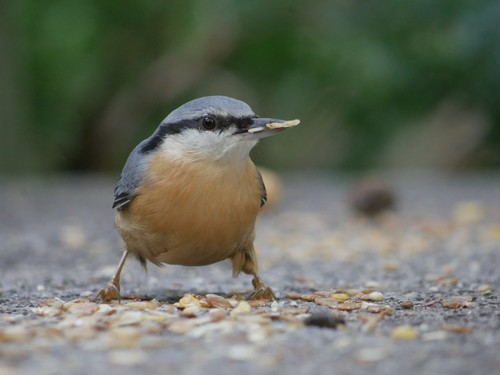 Picchio muratore
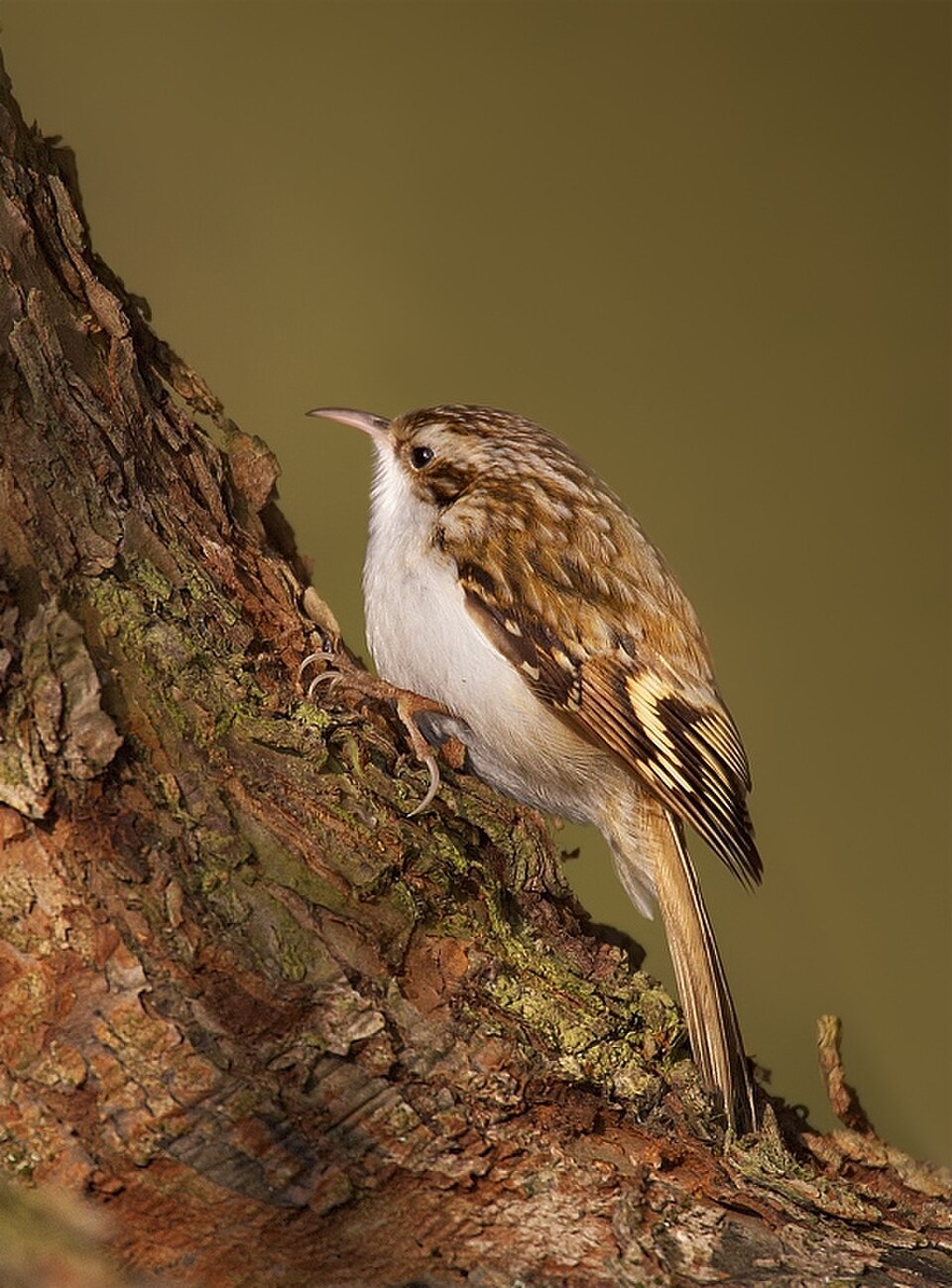 Rampichino alpestre
In breve
La separazione sul campo più affidabile è strutturale: il Picchio muratore è un uccello robusto, con una coda corta e blu-grigia, con un becco forte e dritto e una marcata striscia nera sugli occhi, mentre il Rampichino alpestre è molto più snello, con un becco lungo e ricurvo, parti superiori marroni criptiche e una lunga coda rigida usata per sostenersi contro i tronchi degli alberi. In volo, il Picchio muratore appare compatto e con la testa appuntita, con una coda corta e quadrata, mentre il Rampichino è più fluttuante ed erratico, con una coda marrone uniforme. Le piume giovanili e adulte sono entrambe distintive se ci si concentra sul colore delle parti inferiori e sul motivo delle ali: il Picchio muratore mostra blu-grigio sopra e fianchi arancioni o beige, il Rampichino è marrone striato sopra e bianco o beige sotto. Entrambe le specie arrampicano i tronchi degli alberi, ma la loro postura e movimento differiscono notevolmente. Anche la voce è utile: il Picchio muratore emette forti richiami ripetuti 'dwip', mentre i richiami del Rampichino sono sottili e acuti, e il suo canto è più vario e complesso.
Consigli di identificazione
- Struttura e uso della coda: Il Picchio muratore ha una coda corta e quadrata e non la usa mai per il supporto; il Rampichino ha una coda lunga e rigida usata come sostegno quando arrampica. Questo è visibile in tutte le età e stagioni.
- Forma del becco: Il becco del Picchio muratore è forte, dritto e simile a un pugnale; quello del Rampichino è lungo, sottile e ricurvo. Questa differenza è ovvia nelle viste di profilo.
- Forma del corpo e postura: Il Picchio muratore è robusto, compatto e spesso si siede orizzontalmente o addirittura a testa in giù sui tronchi; il Rampichino è snello, delicato e si muove sempre verso l'alto, premuto vicino alla corteccia.
- Colore delle parti superiori: Il Picchio muratore è blu-grigio sopra con una marcata striscia nera sugli occhi; il Rampichino è intricatamente striato di marrone sopra con un sopracciglio bianco o beige e senza striscia sugli occhi. Funziona per tutte le età.
- Colore delle parti inferiori: Il Picchio muratore ha gola e guance bianche, fianchi arancioni o beige e ventre inferiore; il Rampichino è bianco o beige sotto, a volte con macchie fini sui fianchi giovanili, ma mai arancione.
- Motivo facciale: Il Picchio muratore mostra una forte striscia nera sugli occhi attraverso l'occhio; il Rampichino ha un sopracciglio pallido ma nessuna striscia sugli occhi. Questo è un segno chiave in tutte le stagioni.
- Stile di volo: Il Picchio muratore vola veloce e diretto, con le ali chiuse tra i battiti e una testa appuntita; il volo del Rampichino è fluttuante, erratico e ondulato, con una coda marrone uniforme che segue dietro.
- Aspetto in perching: Il Picchio muratore si posa con audacia, spesso su tronchi o rami esposti, a volte a testa in giù; il Rampichino abbraccia la corteccia, arrampicandosi verso l'alto in una spirale.
- Vocalizzazioni: Ascolta i forti richiami ripetuti 'dwip' del Picchio muratore; i richiami del Rampichino sono sottili, acuti e silenziosi, con un canto più complesso se ascoltato.
- Piumaggio giovanile: Il giovane Picchio muratore è più opaco ma ancora blu-grigio sopra e pallido sotto con fianchi arancioni; il Rampichino giovanile è marrone opaco sopra e bianco sotto con macchie fini sui fianchi.
- Differenze sessuali: La femmina del Picchio muratore è leggermente più chiara e marrone, ma mostra ancora la stessa struttura e motivo del maschio; i sessi del Rampichino sono simili e non separabili sul campo.
- Contesto dell'habitat: Nelle foreste di conifere, il Rampichino è più probabile; nelle foreste miste o a foglia larga, entrambe possono verificarsi, ma il Picchio muratore è più versatile. L'habitat è solo un indizio di supporto.
- Comportamento: Il Picchio muratore spesso cerca cibo su rami così come su tronchi, a volte scendendo a testa in giù; il Rampichino sale solo sui tronchi e raramente usa i rami.
- Colore delle gambe: Il Picchio muratore ha gambe marroni chiare o grigioastre; le gambe del Rampichino sono meno distintive ma di solito marroni.
- Impressione di dimensione: Il Picchio muratore appare molto più massiccio e pesante del Rampichino, che è minuscolo e simile a un topo nel movimento. Questo è particolarmente chiaro in un confronto diretto o con esperienza.
Taglia
Il Picchio muratore è significativamente più pesante (23,0 g contro 9,95 g) e appare più massiccio e robusto rispetto al Rampichino alpestre. Il Picchio muratore è anche più lungo nel complesso, con una costruzione notevolmente più robusta, mentre il Rampichino è più piccolo, più leggero e più delicato. Sul campo, la coda corta e quadrata e il corpo compatto del Picchio muratore contrastano con la forma snella del Rampichino e la sua lunga coda rigida. Entrambe le specie sono piccole, ma la differenza di massa e proporzioni è solitamente chiara con buone visuali.
Piumaggio
Nessun motivo specifico per l'ala superiore legato all'età è descritto per entrambe le specie che sia diagnostico in volo. Per tutte le età, il Picchio muratore mostra parti superiori blu-grigio, una marcata striscia nera sugli occhi e gola e guance bianche, con fianchi arancioni o beige (a seconda della sottospecie). I giovanili assomigliano alle femmine ma sono più opachi, con gambe più chiare. Il Rampichino alpestre di tutte le età è marrone sopra con intricate striature e macchie, un sopracciglio bianco o beige e parti inferiori bianche con una sfumatura beige sul ventre, fianchi e cloaca. I giovanili sono più opachi sopra e hanno macchie scure fini sui fianchi. La coda del Rampichino è marrone uniforme e lunga, usata per il supporto, mentre la coda del Picchio muratore è corta e quadrata. Le parti inferiori del Picchio muratore sono sempre più colorate (arancione o beige) rispetto a quelle del Rampichino, che sono per lo più bianche o beige. I sessi sono simili in entrambe, ma la femmina del Picchio muratore è leggermente più chiara e marrone.
Comportamento
Entrambe le specie arrampicano i tronchi degli alberi, ma i loro movimenti e posture sono diversi. Il Picchio muratore si muove con salti brevi e potenti e non usa la sua coda per il supporto, spesso muovendosi a testa in giù sui tronchi. Il Rampichino si arrampica sui tronchi con brevi salti simili a quelli di un topo, usando la sua coda rigida come sostegno. In volo, il Picchio muratore è veloce e diretto con le ali chiuse tra i battiti, mentre il volo del Rampichino è erratico, ondulato e fluttuante. Il Rampichino è solitario in inverno ma può riposare in gruppi; il Picchio muratore è più vocale e appariscente.
Habitat
Entrambe le specie si trovano nei boschi, ma il Picchio muratore è presente in tutto il Paleartico in una varietà di habitat boschivi, mentre il Rampichino è più spesso associato a foreste di conifere (soprattutto in aree dove il Rampichino comune preferisce boschi decidui). Entrambi possono sovrapporsi in foreste miste, quindi l'habitat da solo non è sempre diagnostico, ma il Rampichino è più probabile in boschi puri di conifere.
Voce
Il Picchio muratore è forte e vocale, con un richiamo ripetuto e acuto 'dwip' che si sente bene. I richiami del Rampichino sono sottili, acuti e silenziosi ('sit' o 'tsree'), facilmente trascurabili. Il canto del Rampichino è più vario e complesso rispetto a quello del Rampichino comune, ma non è simile a quello del Picchio muratore; il Picchio muratore non canta allo stesso modo. Sul campo, i richiami del Picchio muratore sono molto più probabili da notare.
Picchio muratore · Rampichino alpestre · I miei uccelli difficili