

Ghiandaia vs Taccola
Garrulus glandarius contro Coloeus monedula
Fai un quiz con Ghiandaia e Taccola
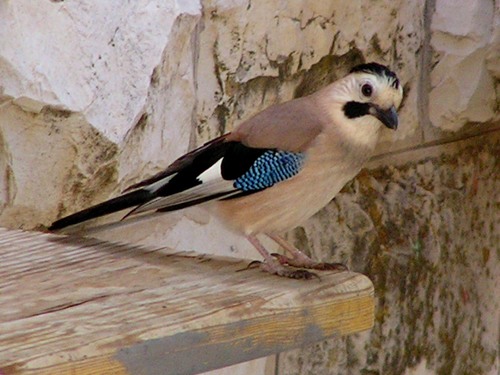 Ghiandaia
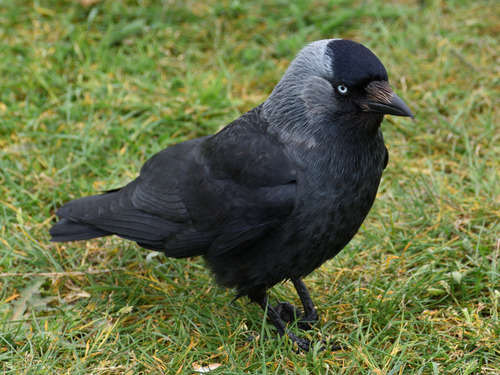 Taccola
In breve
Il segno distintivo più affidabile per separare la Ghiandaia dalla Taccola è il sorprendente pannello blu e nero a strisce delle ali della Ghiandaia, che è evidente sugli uccelli posati e in volo di tutte le età, e non è mai presente sulla Taccola. Le Ghiandaie sono di un colore bruno-rosato con un baffo nero e un sottocoda bianco, mentre le Taccole sono molto più scure, con un corpo nero e una nuca e guance grigie chiare in contrasto. Entrambi sono simili in dimensioni, ma la Ghiandaia appare più robusta e colorata, mentre la Taccola è più snella, con un becco più corto e un occhio argentato. In volo, le Taccole mostrano ali scure uniformi e un volo compatto e veloce, mentre le Ghiandaie mostrano più bianco e blu nelle ali e un volo più lento e ondulato. Se vedi un pannello chiaro a strisce blu nell'ala, è una Ghiandaia; se l'uccello è per lo più nero con una nuca chiara e occhi argentati, è una Taccola.
Consigli di identificazione
- Pannello delle ali blu e nero a strisce (Ghiandaia): Solo la Ghiandaia mostra una brillante macchia blu con sottili strisce nere sull'ala superiore, visibile in tutte le età e particolarmente evidente in volo o quando è posata con le ali chiuse.
- Sottocoda bianco (Ghiandaia): In volo, il sottocoda bianco della Ghiandaia è evidente e contrasta con la coda nera; la Taccola non ha questa caratteristica.
- Colorazione generale: La Ghiandaia è bruno-rosata con marcature complesse; la Taccola è per lo più nera con una nuca e guance grigie chiare.
- Schema facciale: La Ghiandaia ha un baffo nero e una gola biancastra bordata di nero; la Taccola ha un volto nero con nuca e guance grigie chiare o argentate, ma senza baffo.
- Colore degli occhi: Le Taccole adulte hanno occhi argentati o grigio chiaro molto distintivi, visibili da vicino; gli occhi della Ghiandaia sono scuri.
- Forma del becco: Il becco della Taccola è corto, robusto e nero, circa il 75% della lunghezza della testa; il becco della Ghiandaia è più lungo e appuntito.
- Corona: La corona della Ghiandaia è biancastra con striature nere; la corona della Taccola è nera lucida con una lucentezza viola o blu.
- Schema di volo: La Ghiandaia vola con battiti d'ali lenti e ondulati e mostra bianco e blu nelle ali; la Taccola ha battiti d'ali veloci e profondi, forma compatta e ali scure uniformi.
- Coda: La coda della Ghiandaia è nera e più lunga in proporzione al corpo; la coda della Taccola è più corta e più squadrata.
- Taccole juvenile: Hanno grigio più opaco e meno definito sulla nuca e guance, e occhi scuri (non argentati fino all'età adulta), ma mancano comunque di blu nell'ala e sottocoda bianco.
- Comportamento sociale: Le Taccole sono spesso in gruppi, specialmente in aree aperte o città; le Ghiandaie sono più solitarie o in coppie, di solito nei boschi.
- Habitat: Le Ghiandaie sono specialiste dei boschi, raramente in campi aperti; le Taccole sono comuni in habitat urbani, agricoli e aperti.
- Aspetto posato: La Ghiandaia appare più robusta e eretta, spesso parzialmente nascosta; la Taccola è più compatta, eretta e si muove rapidamente in spazi aperti.
- Vocalizzazioni (secondarie): Se sentita, la Ghiandaia emette strida aspre; la Taccola emette richiami acuti 'jack', ma si basa prima sui segni visivi.
- Insidie: A distanza, le Taccole possono sembrare uniformemente scure e piccole, ma mancano di blu nell'ala o sottocoda bianco; le Ghiandaie non mostrano mai una nuca chiara o occhi argentati.
Taglia
Entrambe le specie sono simili in lunghezza: la Ghiandaia misura 34–35 cm e la Taccola 34–39 cm. Tuttavia, la Ghiandaia ha un'apertura alare di 52–58 cm, mentre quella della Taccola non è specificata qui ma è comparabile. La Ghiandaia è leggermente più robusta e robusta nella struttura, mentre la Taccola è più compatta e aerodinamica, con un becco visibilmente più corto e tozzo. Le Taccole pesano circa 240 g; il peso della Ghiandaia non è fornito ma è simile. Sul campo, le Taccole spesso sembrano più piccole a causa della loro postura più eretta e del becco più corto.
Piumaggio
- Uccelli juvenile/immaturi: Non c'è menzione di segni distintivi delle ali superiori juvenile per nessuna delle due specie, ma le Taccole immature sono più opache, con grigio meno definito sulla nuca e guance, e occhi scuri (azzurri chiari, che diventano marroni prima di schiarirsi in età adulta). I juvenile di Ghiandaia somigliano agli adulti nella colorazione generale, mantenendo il pannello blu dell'ala e il baffo nero.
- Ghiandaia adulta: Corpo bruno-rosato, coda nera, sottocoda bianco, baffo nero, gola biancastra bordata di nero e un'ala superiore complessa con un pannello blu e nero a strisce brillante e macchie bianche. La corona è biancastra con striature nere.
- Taccola adulta: Nera lucida in generale con una lucentezza viola o blu sulla corona e sulle secondarie, lucentezza verde-blu sulla gola, primarie e coda. Le guance, la nuca e il collo sono grigio chiaro fino ad argentato, in contrasto con il volto e le parti inferiori nere. Gli adulti hanno occhi argentati o grigio chiaro (molto distintivi da vicino). Nessun blu nelle ali, nessun baffo, nessun sottocoda bianco.
- Volo: La Ghiandaia mostra sottocoda bianco e pannello blu dell'ala; la Taccola è uniformemente scura con nuca chiara e senza marcature sulle ali.
Comportamento
La Ghiandaia è di solito solitaria o in coppie, muovendosi silenziosamente attraverso il bosco o volando tra gli alberi con battiti d'ali lenti e ondulati. Le Ghiandaie spesso si posano in copertura e sono meno probabili da vedere in aree aperte. Le Taccole sono altamente sociali, spesso viste in gruppi, specialmente al di fuori della stagione riproduttiva. Camminano con un passo eretto e vivace e si nutrono a terra con la testa abbassata. In volo, le Taccole sono agili, con battiti d'ali veloci e profondi e un comportamento di gruppo compatto, spesso rotolando o planando. Le Ghiandaie raramente si uniscono a gruppi misti di corvidi, mentre le Taccole lo fanno frequentemente.
Habitat
La Ghiandaia preferisce boschi misti o decidui, specialmente con querce, ma può anche essere trovata in parchi e grandi giardini, specialmente mentre si adatta alle aree urbane. Raramente si vedono in campi aperti. La Taccola è molto più adattabile, trovata in una vasta gamma di habitat tra cui terreni agricoli, città, scogliere e margini boschivi. Le Taccole sono più propense a essere viste in campagna aperta, sui tetti o in contesti urbani, mentre le Ghiandaie sono più legate ad aree boschive.
Voce
Non sono forniti dettagli diretti sulle vocalizzazioni per nessuna delle due specie in queste note. Entrambe sono corvidi vocali, ma i loro richiami sono molto diversi: le Ghiandaie emettono richiami aspri e striduli, mentre le Taccole hanno un richiamo distintivo e acuto 'jack' o 'kya'. Tuttavia, usa il piumaggio e la struttura come strumenti primari di separazione.