
Ghiandaia vs Gazza
Garrulus glandarius contro Pica pica
Fai un quiz con Ghiandaia e Gazza
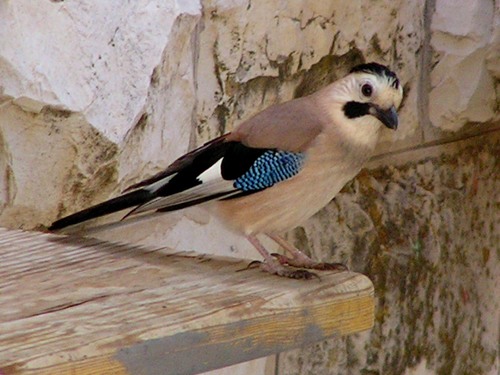 Ghiandaia
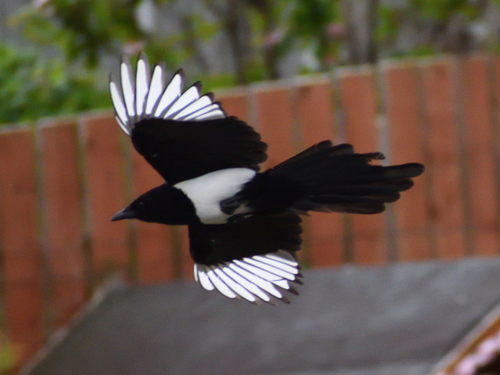 Gazza
In breve
Il segno distintivo più affidabile per separare Ghiandaia da Gazza è la presenza di un pannello blu brillante, finemente barrato sulla parte superiore dell'ala della ghiandaia, visibile sia negli uccelli posati che in volo di tutte le età. Al contrario, l'ala della gazza è nera con una lucentezza verde o viola e una grande macchia bianca sulle primarie, ma mai blu. Le gazze juvenile mancano della lucentezza degli adulti ma mostrano comunque lo stesso schema bianco e nero. Le ghiandaie hanno un corpo marrone rossiccio con un baffo nero e un sottocoda bianco, mentre le gazze sono nettamente nere e bianche con una coda molto lunga e iridescente. Entrambi sono corvidi, ma la loro struttura, stile di volo e piumaggio sono distinti se osservati bene.
Consigli di identificazione
- Pannello blu sulla parte superiore dell'ala (solo Ghiandaia): Cerca un pannello blu brillante, finemente barrato sulla parte superiore dell'ala—unico per Ghiandaia di tutte le età e mai presente sulla gazza.
- Contrasto bianco e nero (solo Gazza): Le gazze sono nettamente nere e bianche, con un ventre e una macchia sulla spalla bianchi puri, testa, petto e dorso neri, e una grande macchia bianca sulle primarie (visibile in volo e a riposo). Le ghiandaie non hanno mai questo schema così netto.
- Lunghezza e forma della coda: La gazza ha una coda nera iridescente estremamente lunga e graduata (spesso metà della lunghezza del corpo o più), che è evidente in volo e quando è posata. La coda della ghiandaia è più corta, nera e non iridescente.
- Colore del corpo: La ghiandaia è complessivamente marrone rossiccio, con una gola biancastra bordata da un baffo nero. La gazza non è mai marrone o rossiccia—è sempre nera e bianca.
- Schema della testa: La ghiandaia ha una fronte e una corona bianche con strisce nere e una striscia di baffo nera. La testa della gazza è completamente nera lucida, priva di aree chiare o striate.
- Colore del sottocoda: La ghiandaia ha un sottocoda bianco, spesso visibile in volo. Il sottocoda della gazza è nero con una striscia bianca variabile sopra (mai completamente bianco come la ghiandaia).
- Schema dell'ala in volo: La gazza mostra una grande macchia bianca sulle primarie, formando un grande pannello bianco quando l'ala è aperta. Il pannello dell'ala della ghiandaia è blu e nero, mai bianco.
- Confusione giovanile: Anche le giovani gazze hanno lo stesso schema bianco e nero (anche se meno lucido, coda più corta e malar rossiccio), mentre le giovani ghiandaie mostrano già il pannello blu dell'ala e il corpo marrone rossiccio. Non ci sono sovrapposizioni legate all'età nei segni distintivi.
- Stile di volo: La gazza vola con battiti d'ala lenti e rematori e una lunga coda che segue. Il volo della ghiandaia è più diretto e ondulato, con una forma compatta e una coda più corta.
- Aspetto posato: La gazza appare allungata e snella a causa della sua lunga coda; la ghiandaia è più compatta e arrotondata.
- Contesto dell'habitat: In boschi fitti, aspettati la ghiandaia; in campi aperti, parchi urbani o prati, la gazza è molto più probabile.
- Vocalizzazioni: Il chiacchierio aspro della gazza "chac-chac-chac" è distintivo; le chiamate della ghiandaia sono più varie e stridule.
- Becco e zampe: Entrambi hanno becchi e zampe neri, ma il becco della gazza è più pesante e lungo rispetto alla dimensione della testa.
- Sesso e stagione: Entrambi i sessi sono simili nel piumaggio; la variazione stagionale è minima nei segni distintivi per entrambe le specie.
- Trappole: Una scarsa illuminazione o viste distanti possono oscurare il pannello blu dell'ala della ghiandaia o la macchia bianca dell'ala della gazza, ma la struttura generale e la lunghezza della coda sono comunque utili. Se si vede solo un contorno, la lunga coda della gazza è diagnostica.
Taglia
La Gazza è notevolmente più grande e pesante della Ghiandaia. Le gazze misurano 44–46 cm di lunghezza (oltre metà della quale è coda) e hanno una massa corporea di circa 206 g, mentre le Ghiandaie sono più piccole a 34–35 cm e più leggere (nessuna massa fornita, ma decisamente meno robuste). Entrambi hanno un'apertura alare simile (52–62 cm per la gazza, 52–58 cm per la ghiandaia), ma la lunga coda della gazza la fa sembrare molto più grande e allungata, specialmente in volo o quando è posata. Le ghiandaie appaiono più compatte e arrotondate, con una coda più corta e una corporatura più robusta.
Piumaggio
-
Uccelli juvenile/immaturi: I giovani di entrambe le specie assomigliano agli adulti nel pattern, ma i giovani gazze mancano della lucentezza metallica e hanno una coda più corta e un'area malare (guancia) rossiccia; il loro contrasto bianco e nero è comunque chiaro. I giovani ghiandaie mostrano già il pannello blu dell'ala e il corpo marrone rossiccio, quindi l'età non cancella i segni distintivi chiave.
-
Adulti: La Ghiandaia è complessivamente marrone rossiccio con un colpo d'occhio blu e nero barrato sulla parte superiore dell'ala, coda nera, sottocoda bianco e una striscia di baffo nera che borda una gola biancastra. La fronte e la corona sono bianche con strisce nere. La Gazza è nettamente nera e bianca: testa, collo, petto e cloaca neri con una lucentezza verde/viola, ventre e scapolari bianchi puri, ali nere con lucentezza verde/viola e una grande macchia bianca sulle primarie (conspicua in volo), e una coda nera iridescente molto lunga. Il sottocoda della gazza è nero con una striscia bianca variabile sopra. La ghiandaia non mostra mai questo netto contrasto bianco e nero o la lunga coda iridescente.
Comportamento
Le Ghiandaie sono più riservate, spesso si tengono ai margini dei boschi o in copertura densa, e si muovono con voli brevi e ondulati. Sono accumulatrici di ghiande e possono essere viste portare cibo nel becco. Le gazze sono più audaci, spesso viste in aree aperte, parchi e giardini, camminando con un passo stravagante e frequentemente posandosi in luoghi esposti. In volo, le gazze hanno un battito d'ala distintivo, lento e rematore e la loro lunga coda è molto evidente, spesso aperta o che segue. Le ghiandaie appaiono più compatte e meno allungate in volo, con una coda più corta e uno stile di volo meno appariscente.
Habitat
La Ghiandaia è principalmente un uccello di bosco, favorendo in particolare aree con querce, ma può anche essere trovata in parchi e sempre più in ambienti urbani. La Gazza è molto più adattabile e diffusa in campagna aperta, terreni agricoli, parchi urbani, giardini e persino nei centri delle città. Se vista in boschi fitti, è più probabile vedere la ghiandaia; in campi aperti o prati urbani, la gazza è la norma.
Voce
La gazza emette un chiacchierio aspro e ripetitivo "chac-chac-chac" o un chiacchierio soffocante, che è piuttosto forte e si sente lontano. Anche le ghiandaie sono rumorose ma le loro chiamate sono più varie e includono strida aspre, ma il chiacchierio classico della gazza è distintivo e non è eguagliato dalla ghiandaia.