

Tarabuso vs Least Bittern
Botaurus stellaris contro Botaurus exilis
Fai un quiz con Tarabuso e Least Bittern
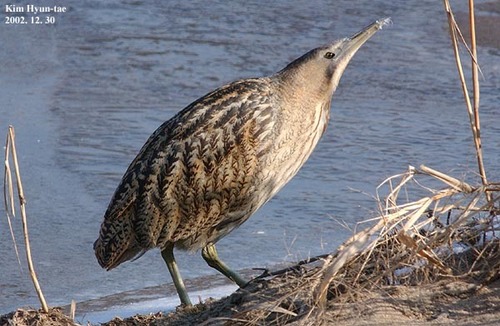 Tarabuso
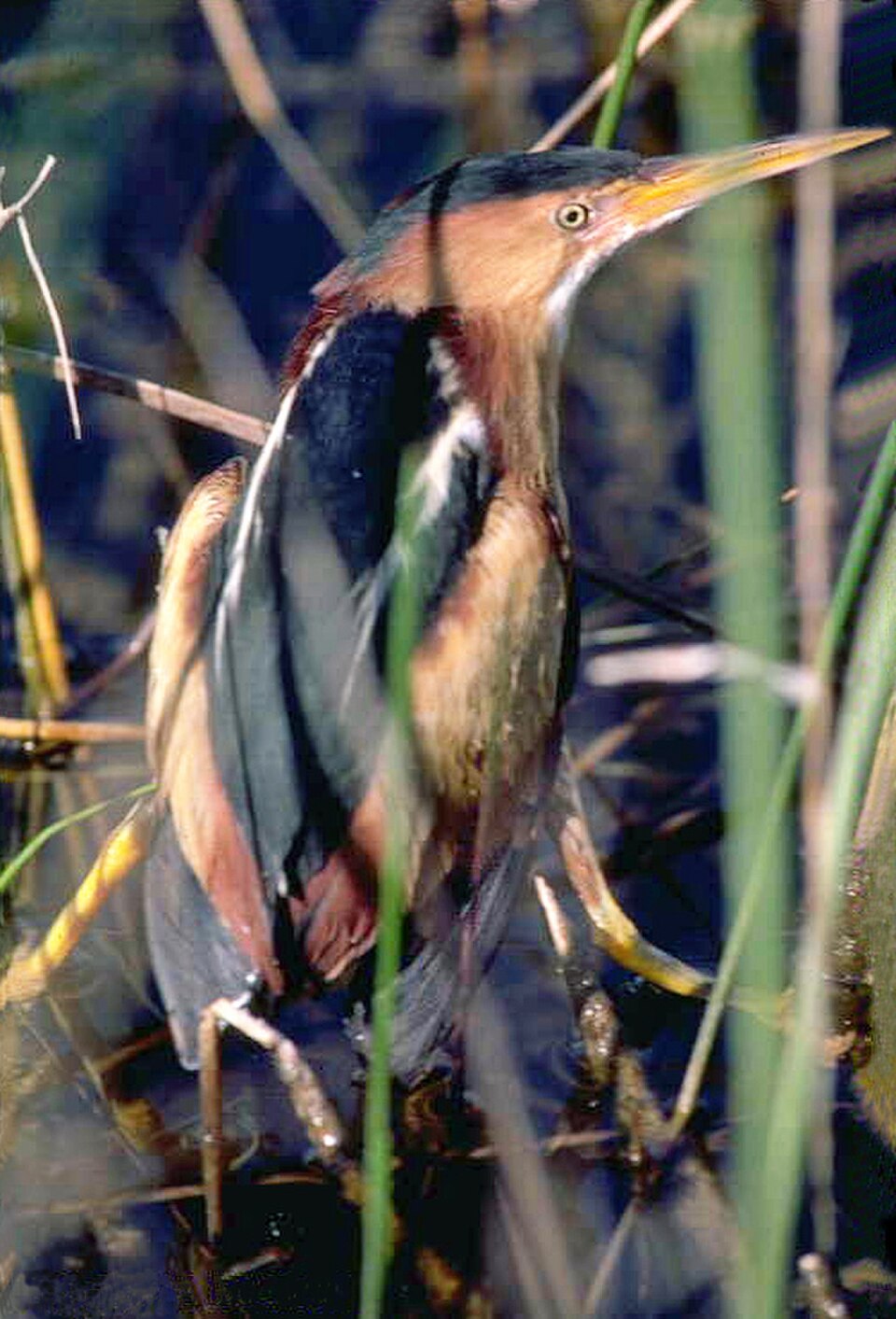 Least Bittern
In breve
Il modo più affidabile per separare il Tarabuso dal Least Bittern è la dimensione: il Tarabuso è un grande e robusto airone, mentre il Least Bittern è piccolo e snodato, a malapena un trentesimo della massa. In volo o posato, il Tarabuso mostra ali larghe e arrotondate e una corporatura pesante e potente, mentre il Least Bittern è delicato, con un'apertura alare molto più corta e un corpo compatto. Anche le differenze nel piumaggio sono forti: il Tarabuso è audacemente striato e barrato di buff e nero, mentre il Least Bittern è bianco pulito sotto con parti superiori castagne e scure, e i maschi mostrano una distintiva corona e schiena verde-nerastra lucida. Entrambe le specie si congelano con il becco puntato verso l'alto quando allarmate, ma le loro proporzioni e colorazioni sono inconfondibili quando viste bene.
Consigli di identificazione
- La dimensione è il segno più decisivo: il Tarabuso è un enorme e pesante airone; il Least Bittern è piccolo, a malapena delle dimensioni di uno storno. Se vedi entrambi nella stessa palude, la differenza è inconfondibile.
- Struttura in volo: il Tarabuso mostra ali larghe e arrotondate e un corpo spesso e pesante con gambe pendenti; il Least Bittern è compatto, con un'apertura alare molto più corta e un aspetto più aggraziato e agile.
- Aspetto posato: il Tarabuso sta in piedi alto e robusto, con un lungo collo e un pesante becco; il Least Bittern è molto più snodato, spesso in equilibrio tra le canne, e può comprimere il suo corpo per passare attraverso spazi ristretti.
- Colore della corona e della schiena (adulti): il Tarabuso ha una corona e una nuca nere, con un supercilium buffo; i maschi del Least Bittern hanno una corona e una schiena verde-nerastra lucida, le femmine sono marroni lucide.
- Parte inferiore: il Tarabuso è di un buffo giallastro con dense striature e strisce marroni; il Least Bittern è bianco sotto con solo leggere striature marroni.
- Schema delle ali in volo: le ali del Tarabuso sono di un marrone ruggine pallido, fortemente barrate e macchiate di nero; il Least Bittern mostra copritrici delle ali marroni chiare e piume di volo più scure, con un aspetto molto più pulito e meno macchiato.
- Schema facciale: il Tarabuso ha una forte striscia mustacchiale marrone-nera e un supercilium giallastro-buffo; il volto del Least Bittern è di un semplice marrone chiaro con occhi e becco gialli.
- Colore delle gambe e del becco: il Tarabuso ha gambe verdastre con giallo alle articolazioni e un becco giallo-verde; il Least Bittern ha occhi e becco gialli, e gambe verdastre.
- Confusione giovanile: i giovani Tarabusi sono più chiari ma ancora striati e barrati; i giovani Least Bittern non sono descritti qui, ma la differenza di dimensione e struttura rimane decisiva.
- Comportamento quando allarmati: Entrambi si congelano con il becco in alto, ma la massa e il piumaggio striato del Tarabuso si distinguono, mentre il Least Bittern è molto più piccolo e pulito sotto.
- Contesto habitat: Se nelle Americhe, il Tarabuso è estremamente improbabile; in Europa/Asia/Africa, il Least Bittern non si verifica.
- Frequenza di volo: il Tarabuso è riluttante a volare e preferisce camminare; il Least Bittern è più agile e spesso si posa sopra l'acqua.
- Texture del piumaggio: il Tarabuso ha piume lunghe e allungate sulla corona, collo e petto che possono essere erette; il Least Bittern non ha una tale piumatura pronunciata.
- Linee sulle spalle: il Least Bittern ha linee bianche sulle spalle (adulti), assenti nel Tarabuso.
- Se solo un breve sguardo: Usa prima la dimensione e il colore della parte inferiore; un grande uccello striato di buff e nero è il Tarabuso, un piccolo uccello con pancia bianca, castagna e nera è il Least Bittern.
Taglia
Il Tarabuso è enorme rispetto al Least Bittern: la massa corporea media è di circa 2460 g per il Tarabuso contro solo 80 g per il Least Bittern [wikidata]. In lunghezza, il Tarabuso raggiunge i 69–81 cm (27–32 in) con un'apertura alare di 100–130 cm (40–50 in), mentre il Least Bittern è lungo solo 28–36 cm (11–14 in) con un'apertura alare di 41–46 cm (16–18 in) [wikipedia]. Anche a distanza, il Tarabuso appare come un grande e robusto airone, mentre il Least Bittern è delle dimensioni di un passero e molto più delicato.
Piumaggio
Nessuno schema specifico per l'età è descritto per entrambe le specie, ma la colorazione generale è altamente diagnostica. Il Tarabuso (tutte le età) è di un marrone buffo, densamente striato e barrato di nero, con una corona e una nuca nere, un supercilium giallastro-buffo e una striscia mustacchiale marrone-nera. Le ali sono di un marrone ruggine pallido con barrature e macchie nere irregolari; i giovani sono più chiari con segni meno distinti ma ancora striati e barrati. Il Least Bittern (maschio adulto) ha una corona e una schiena verde-nerastra lucida, parti inferiori bianche con striature marroni chiare e linee bianche sulle spalle; le femmine sono simili ma con parti superiori marroni lucide (non nere). In volo, il Least Bittern mostra copritrici delle ali marroni chiare che contrastano con piume di volo più scure. Le parti inferiori del Least Bittern sono molto più pulite e bianche rispetto al Tarabuso, che è fortemente striato e barrato. I giovani Least Bittern non sono descritti in dettaglio qui, ma il contrasto degli adulti è abbastanza forte per una separazione affidabile.
Comportamento
Entrambe le specie sono segrete e si congelano con il becco puntato verso l'alto quando allarmate, mimetizzandosi tra le canne. Il Tarabuso è solitamente solitario, si muove lentamente e deliberatamente, e preferisce camminare o arrampicarsi attraverso fitte canneti, volando raramente se non necessario. Il Least Bittern è anche sfuggente ma trascorre molto tempo in equilibrio tra le canne e può comprimere il suo corpo per passare attraverso spazi molto ristretti. Il Least Bittern spesso si posa tra le canne sopra acque troppo profonde per l'immersione, mentre il Tarabuso è più probabile che venga visto camminare lungo il bordo dell'acqua o nascosto in una fitta vegetazione. Entrambi sono più attivi all'alba e al tramonto.
Habitat
Entrambe le specie abitano grandi paludi con vegetazione densa, ma i loro areali non si sovrappongono: il Tarabuso si trova nel Vecchio Mondo (Europa, Asia, Africa), mentre il Least Bittern è limitato alle Americhe. Il Tarabuso preferisce ampie zone di canne ed è raramente visto lontano dalla copertura, a volte avventurandosi fino al bordo dell'acqua in inverno. Il Least Bittern nidifica in paludi con giunchi, canne o erba seghettata, ed è più probabile che si posi tra le canne sopra acque più profonde. Entrambi richiedono vegetazione emergente densa per nidificare e cercare cibo.