

Eastern Crowned Warbler vs Luì verdastro
Phylloscopus coronatus contro Phylloscopus trochiloides
Fai un quiz con Eastern Crowned Warbler e Luì verdastro
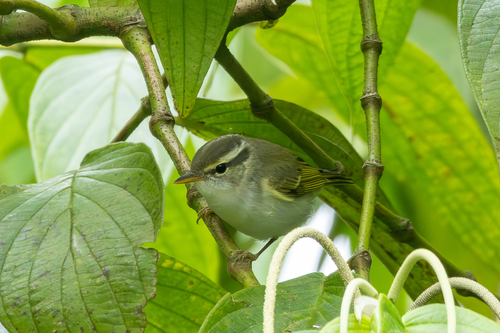 Eastern Crowned Warbler
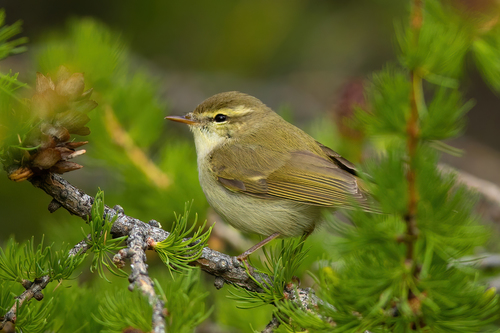 Luì verdastro
In breve
Il segno distintivo più affidabile per separare Eastern Crowned Warbler da Luì verdastro è il bold pattern della testa del primo: Eastern Crowned Warbler mostra una forte striscia laterale scura sulla corona con una striscia mediana chiara, spesso giallastra, e un prominente supercilium, mentre Luì verdastro manca di questo pattern sulla corona e ha invece una testa più uniforme con un supercilium giallastro. Entrambe le specie possono mostrare una singola striscia alare chiara, ma Eastern Crowned Warbler è più robusto e brillante, con una coda leggermente forked, rispetto al più snello e opaco Luì verdastro. Anche la struttura e la forma del becco aiutano: Eastern Crowned Warbler ha un becco più forte e chiaro e zampe più scure, mentre Luì verdastro ha un becco più fine e con punta scura. I pattern delle ali dei giovani e degli immaturi non sono descritti in dettaglio per nessuna delle due specie, quindi concentrati sul pattern della testa e sulla struttura per tutte le età.
Consigli di identificazione
- Il pattern della testa è fondamentale: Eastern Crowned Warbler mostra una forte striscia laterale scura sulla corona e una striscia mediana chiara, spesso giallastra, creando un bold pattern della testa; Luì verdastro manca di questo, mostrando una corona più uniforme con solo un supercilium giallastro. Questo funziona per tutte le età ed è il segno più affidabile.
- Supercilium: Entrambe le specie hanno un supercilium chiaro, ma quello di Eastern Crowned è più lungo e contrastante, mentre quello di Luì verdastro è solitamente giallastro e meno evidente.
- Striscia oculare e lore: Eastern Crowned ha una striscia scura attraverso l'occhio e lore scure, aggiungendo al forte contrasto facciale; il volto di Luì verdastro è più semplice, con una striscia oculare meno distintiva.
- Colore delle guance: Eastern Crowned ha guance gialle scure, che possono aiutare in buona luce; le guance di Luì verdastro non sono colorate in modo così distintivo.
- Struttura del becco: Eastern Crowned Warbler ha un becco forte, robusto e chiaro; Luì verdastro ha un becco più sottile, spesso con una punta scura alla mandibola inferiore. Questo è meglio visibile da vicino o in foto.
- Colore delle zampe: Eastern Crowned ha zampe scure; il colore delle zampe di Luì verdastro non è evidenziato come distintivo, quindi usalo con cautela.
- Strisce alari: Entrambe possono mostrare una singola striscia alare chiara. Alcuni Luì verdastri (alcune sottospecie) possono mostrare una seconda striscia alare debole, ma mai così audace come in Two-barred Warbler. Non fare affidamento solo sul conteggio delle strisce alari.
- Colore delle parti superiori: Eastern Crowned è di un verde oliva scuro sopra; Luì verdastro è di un verde grigiastro o verde opaco sopra, spesso meno brillante.
- Parti inferiori: Eastern Crowned è bianco sotto; Luì verdastro è di un bianco sporco, a volte con un lavaggio giallastro sulla gola e sul petto in alcune sottospecie.
- Forma della coda: Eastern Crowned ha una coda quadrata, leggermente forked; la coda di Luì verdastro è più tipica e meno distintiva.
- Struttura e jizz: Eastern Crowned appare più robusto e brillante, con un aspetto più massiccio; Luì verdastro è più snello e delicato.
- Dimensioni: Eastern Crowned è leggermente più pesante e massiccio (10.1g), mentre Luì verdastro è più piccolo e leggero.
- Contesto dell'habitat: Se in una foresta boreale o temperata matura nell'Asia orientale, è più probabile vedere Eastern Crowned; in una foresta mista di pianura o montana, specialmente durante la migrazione, è più atteso Luì verdastro.
- Voce: Se senti un trillo alto e irregolare con note sfocate, è probabile che sia Luì verdastro; la mancanza di dettagli sul canto di Eastern Crowned significa che il silenzio non è diagnostico.
- Trappole: Non fare affidamento solo sul conteggio delle strisce alari, poiché entrambe possono mostrare una singola striscia alare. Controlla sempre il pattern della testa e la struttura per conferma.
Taglia
Eastern Crowned Warbler è leggermente più pesante (massa corporea circa 10.1g [wikidata]) e appare più robusto rispetto a Luì verdastro, che è generalmente più piccolo e più snello (nessuna massa diretta fornita, ma descritto come più piccolo e snello nella costruzione [wikipedia]). Sul campo, Eastern Crowned Warbler può sembrare più massiccio, con un becco più forte e una coda quadrata, leggermente forked, mentre Luì verdastro tende a sembrare più delicato nel complesso.
Piumaggio
Per tutte le età, Eastern Crowned Warbler si distingue per le sue parti superiori di un verde oliva scuro e le parti inferiori bianche brillanti, ma soprattutto per il suo forte pattern della testa: una striscia laterale scura sulla corona, una striscia mediana giallastra (anche se a volte indistinta), un lungo supercilium giallastro-bianco e una striscia oculare scura con guance gialle scure. Mostra anche una singola striscia alare chiara e una coda quadrata, leggermente forked. Luì verdastro è di un verde grigiastro sopra e di un bianco sporco sotto, con un supercilium giallastro e una singola (a volte debole) striscia alare nella maggior parte delle popolazioni. Alcuni Luì verdastri possono mostrare tracce di una seconda striscia alare, specialmente in alcune sottospecie, ma mai il bold pattern della corona di Eastern Crowned. Anche il colore del becco è utile: Eastern Crowned ha un becco robusto e chiaro, mentre il becco di Luì verdastro è più fine e manca di una base chiara. Non sono descritti differenze specifiche per età nei pattern delle ali superiori o nei pattern di volo per nessuna delle due specie, quindi questi contrasti si applicano a tutte le piumature.
Comportamento
Entrambe le specie sono warbler attive e insetti voraci, spesso foraggiando nel fogliame. Eastern Crowned Warbler può apparire un po' più robusto e deliberato nei movimenti a causa della sua struttura, mentre Luì verdastro è tipicamente più irrequieto e agile, saltellando tra foglie e rami. In volo, la coda leggermente forked di Eastern Crowned Warbler può essere visibile, mentre il volo di Luì verdastro è più tipico dei piccoli warbler Phylloscopus, veloce e diretto.
Habitat
Eastern Crowned Warbler nidifica nelle foreste boreali e temperate dell'est Palearctico, preferendo boschi maturi. Luì verdastro ha un'area di distribuzione più ampia, nidificando dal nord-est dell'Europa attraverso l'Asia temperata e subtropicale, spesso in foreste decidue o miste di pianura, e spostandosi verso le foreste montane nella stagione non riproduttiva, specialmente nell'Himalaya. In situazioni di vagabondaggio, entrambe possono apparire in habitat boschivi simili, ma Luì verdastro è più probabile come migrante o vagabondo in Europa occidentale.
Voce
Il canto di Eastern Crowned Warbler non è descritto nelle note fornite. Luì verdastro ha un trillo alto e irregolare, a volte con note sfocate in su e giù, e la struttura del canto può variare a seconda della popolazione. Sul campo, il canto è un segno utile per Luì verdastro, ma la mancanza di dettagli per Eastern Crowned significa che questa non è una separazione affidabile basata sulle note attuali.
Eastern Crowned Warbler · Luì verdastro · I miei uccelli difficili