

Dark-sided Thrush vs Purple Cochoa
Zoothera marginata contro Cochoa purpurea
Fai un quiz con Dark-sided Thrush e Purple Cochoa
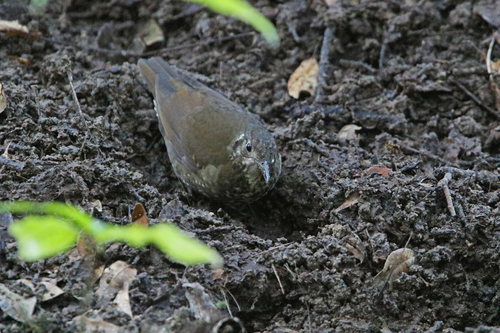 Dark-sided Thrush
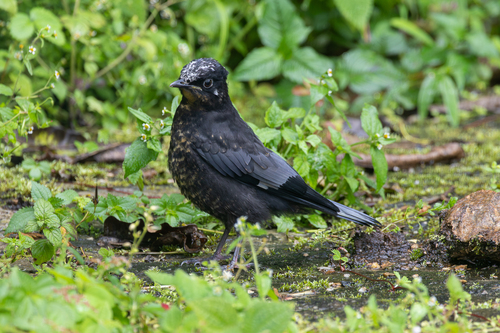 Purple Cochoa
In breve
Il modo più affidabile per separare il Dark-sided Thrush dal Purple Cochoa è attraverso il piumaggio complessivo e la struttura del becco: il thrush è un uccello criptico, dai toni terrosi, con un lungo becco nerastro e forti segni facciali, mentre il cochoa è straordinariamente decorato con blu argentato, nero e viola o ruggine, e ha un becco più corto e meno robusto. Il thrush viene tipicamente visto a terra o vicino al suolo in foreste dense e umide, mentre il cochoa preferisce posarsi immobile in alto nella chioma. In scarsa luce, il cochoa può apparire scuro, ma le sue audaci macchie sulle ali e sulla coda sono diagnostiche quando viste bene. Entrambe le specie sono elusive, ma la loro altezza e postura preferite per posarsi differiscono notevolmente.
Consigli di identificazione
- Bill shape and length: Il Dark-sided Thrush ha un lungo becco nerastro che è notevolmente più robusto e ricurvo rispetto al becco più corto e meno prominente del Purple Cochoa. Questa è una differenza strutturale chiave, specialmente a distanza ravvicinata.
- Facial markings: Il thrush mostra una distintiva striscia loral bianca e un anello oculare bianco, insieme a una gola e un mento biancastri. Il Purple Cochoa ha una maschera nera sopra l'occhio e manca dei forti segni facciali bianchi del thrush.
- Crown and head color: Il Purple Cochoa (maschio) ha una corona blu argentata, mentre la testa del thrush è marrone scuro. Nelle femmine, la corona del cochoa è meno blu ma manca ancora del marrone scuro uniforme del thrush.
- Wing pattern: Il cochoa ha una prominente macchia carpo grigia e una macchia audace sulla base delle piume nere delle ali, visibile in buona luce. Le ali del thrush sono semplici ruggine-marroni senza macchie o segni contrastanti.
- Tail pattern: La coda del Purple Cochoa è blu argentata con una banda terminale nera, una caratteristica sorprendente quando vista bene. La coda del thrush è semplice e marrone, abbinandosi al resto del suo piumaggio.
- Body color: Il Dark-sided Thrush è complessivamente marrone e ruggine, senza toni blu, argentati o viola. I maschi del Purple Cochoa sono grigi con secondarie e copritrici grigio-viola; le femmine hanno ruggine invece di viola.
- Sex differences in cochoa: Solo il cochoa mostra un forte dimorfismo sessuale: i maschi hanno toni grigio-viola, le femmine li sostituiscono con ruggine. Il thrush è monomorfico.
- Perching behavior: I thrush sono solitamente visti a terra o bassi in copertura densa, spesso muovendosi silenziosamente. I cochoa sono tipicamente posati immobili in alto nella chioma.
- Habitat context: Se trovi l'uccello vicino a un ruscello roccioso, tra canne o basso in una foresta umida, sospetta il thrush. Se in alto nella chioma, specialmente in foreste temperate, sospetta il cochoa.
- Light conditions: Il cochoa può apparire scuro all'ombra, quindi non fare affidamento solo sulla luminosità; cerca il blu, l'argento e la macchia dell'ala quando l'uccello è illuminato dal sole.
- Voice: Se senti una serie di fischi sottili monotoni, questo supporta il Dark-sided Thrush. Le vocalizzazioni del cochoa non sono descritte qui.
- Flight views: Non è descritto alcun modello distintivo di volo o di parte superiore dell'ala per entrambe le specie, quindi concentrati sugli uccelli posati e sugli indizi strutturali/piumosi.
- Size: Entrambi sono di dimensioni medie, ma il thrush può apparire leggermente più pesante e con un becco più lungo. Non fare affidamento solo sulla dimensione.
- Potential pitfalls: In scarsa luce, il cochoa può sembrare semplice e scuro, ma la mancanza di forti segni facciali e la presenza di toni blu o argentati dovrebbero indicare il cochoa. Il thrush non mostra mai blu, argento o una macchia sull'ala.
- Age/season: Non sono descritte differenze di piumaggio specifiche per età o stagione per il thrush; le femmine e i maschi del cochoa differiscono, ma entrambi sono più colorati e decorati rispetto al thrush.
Taglia
Il Dark-sided Thrush pesa circa 81 g e misura 24–25 cm di lunghezza [wikidata][wikipedia]. Non è fornito alcun peso diretto per il Purple Cochoa, ma entrambi sono uccelli forestali di dimensioni medie. Il thrush può apparire leggermente più pesante e con un becco più lungo, ma la dimensione da sola non è un separatore affidabile sul campo.
Piumaggio
Non sono descritti modelli di piumaggio specifici per età per nessuna delle due specie, quindi ci si concentra sulle differenze basate su età e sesso. Il Dark-sided Thrush è uno studio di marroni: ha una testa marrone scuro, ali ruggine-marroni, una striscia loral bianca, un anello oculare bianco e una gola e un mento biancastri. Il suo becco è lungo e nerastro, contribuendo a un forte aspetto da thrush terrestre. Al contrario, il Purple Cochoa è molto più colorato quando visto in buona luce: i maschi hanno una corona blu argentata, una maschera nera, una macchia carpo grigia, una macchia audace sulle ali, una coda blu argentata con una banda terminale nera e secondarie e copritrici grigio-viola opache; il corpo è grigiastro. Le femmine sostituiscono il viola con toni ruggine. All'ombra, il cochoa può sembrare scuro, ma le macchie blu e delle ali diventano evidenti alla luce del sole. Il thrush non presenta toni blu o argentati e non mostra mai una macchia contrastante sulle ali o una banda sulla coda.
Comportamento
Il Dark-sided Thrush si trova tipicamente a terra o vicino al suolo, specialmente in aree umide, rocciose o canneti di foreste a foglia larga. È timido e spesso trascurato a causa del suo comportamento ritirato e del piumaggio criptico. Al contrario, il Purple Cochoa è più spesso visto posato immobile nella chioma, raramente scendendo a terra. La sua tendenza a sedere silenziosamente e rimanere fermo può renderlo difficile da individuare, ma la sua preferenza per posatoi più alti è un forte indizio comportamentale.
Habitat
Entrambe le specie abitano aree forestali in Asia, ma le loro preferenze microhabitat differiscono. Il Dark-sided Thrush favorisce le foreste a foglia larga umide, spesso vicino a ruscelli o in macchie di bambù/canne, e si trova a un'altitudine compresa tra 750 e 2.100 m. È più probabile incontrarlo a livelli più bassi, specialmente in sottoboschi densi. Il Purple Cochoa preferisce le foreste temperate ed è quasi sempre trovato nella chioma, raramente scendendo. Se vedi un uccello che cerca cibo a terra o basso in copertura densa, è quasi certamente il thrush; un uccello posato in alto e immobile nella chioma è molto più probabile che sia un cochoa.
Voce
Il Dark-sided Thrush emette una serie di fischi sottili monotoni. Non è fornita alcuna descrizione vocale per il Purple Cochoa, quindi la voce è utile solo se si sente il richiamo del thrush.
Dark-sided Thrush · Purple Cochoa · I miei uccelli difficili