

Crowned Sandgrouse vs Lichtenstein's Sandgrouse
Pterocles coronatus contro Pterocles lichtensteinii
Fai un quiz con Crowned Sandgrouse e Lichtenstein's Sandgrouse
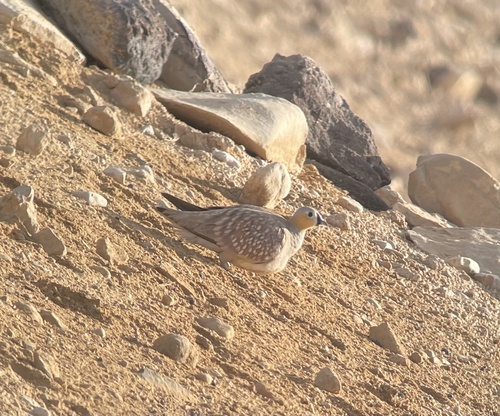 Crowned Sandgrouse
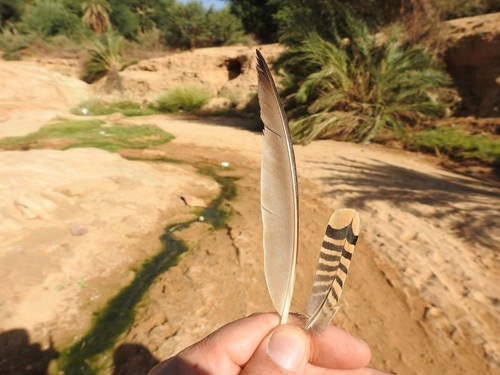 Lichtenstein's Sandgrouse
In breve
Il segno distintivo più affidabile tra il Crowned Sandgrouse e il Lichtenstein's Sandgrouse è il motivo delle ali in volo: il Crowned Sandgrouse mostra penne da volo completamente scure che contrastano con le copritrici superiori sabbiose, mentre il Lichtenstein's è strettamente e uniformemente barrato sopra e sotto, privo di un forte contrasto nelle ali. I maschi del Crowned Sandgrouse hanno una maschera nera distintiva e non presentano grigio sul collo e sul petto, mentre i Lichtenstein's di entrambi i sessi sono più uniformemente barrati e privi di maschera. Le femmine e gli immaturi del Crowned Sandgrouse mostrano vermicolazioni scure su tutta la parte inferiore, non solo sul petto, a differenza del Lichtenstein's più uniformemente barrato. La struttura è simile, ma il Crowned è leggermente più grande e pesante. Entrambe le specie preferiscono habitat aridi e rocciosi, ma il Crowned Sandgrouse tende ad evitare aree con molta vegetazione.
Consigli di identificazione
- In volo, cerca penne da volo completamente scure: Il Crowned Sandgrouse di tutte le età mostra primarie e secondarie solidamente scure, in forte contrasto con le copritrici superiori sabbiose e le copritrici inferiori cremose. Il Lichtenstein's non mostra mai questo contrasto: le sue ali sono finemente e uniformemente barrate, mescolando copritrici e penne da volo.
- Controlla la presenza di una maschera facciale nera: Il maschio adulto del Crowned Sandgrouse ha una maschera nera distintiva, priva di grigio sul collo o sul petto. I maschi del Lichtenstein's non hanno affatto una maschera e sono uniformemente barrati.
- Motivo della parte inferiore nelle femmine e negli immaturi: Le femmine e gli immaturi del Crowned Sandgrouse mostrano vermicolazioni scure (linee ondulate) su tutto il petto e la pancia. Nel Lichtenstein's, entrambi i sessi e tutte le età sono strettamente e uniformemente barrati sopra e sotto, non vermicolati, e la barratura è più fine e uniforme.
- Assenza di toni grigi: I maschi del Crowned Sandgrouse non presentano grigio sul collo e sul petto, mentre il Lichtenstein's è più uniformemente color sabbia e barrato, senza menzione di grigio ma anche senza maschera.
- Colorazione generale: Da lontano, il Crowned Sandgrouse appare più uniformemente colorato tranne che per le ali scure, mentre il Lichtenstein's ha un motivo sottile su tutta la superficie con una fine barratura.
- Forma della coda: Entrambe le specie non hanno penne centrali della coda allungate, quindi questo non è un segno utile qui.
- Dimensioni e struttura: Il Crowned Sandgrouse è leggermente più grande e pesante (27–29 cm, ~300 g) rispetto al Lichtenstein's (25 cm, 175–250 g), ma questa differenza è sottile e meglio utilizzata in un confronto diretto.
- Contesto habitat: Il Crowned Sandgrouse è più probabile trovarlo in deserti rocciosi e scarsamente vegetati, specialmente tra la sabbia rossa scura nel Nord Africa. Il Lichtenstein's è anche un uccello dei deserti rocciosi ma è meno legato a un colore specifico del substrato.
- Uniformità del piumaggio: Il Lichtenstein's appare sempre finemente barrato e privo di forti contrasti di colore; il Crowned Sandgrouse è più uniforme tranne che per le ali scure e, nei maschi, la maschera nera.
- Trappole per il sesso: Le femmine e gli immaturi del Crowned Sandgrouse possono essere confusi con il Lichtenstein's a causa della mancanza di una maschera, ma cerca la differenza tra le vermicolazioni (Crowned) e la fine barratura (Lichtenstein's) sulla parte inferiore.
- Nessuna coda allungata: Nessuna delle due specie ha le lunghe penne centrali della coda viste in alcuni altri sandgrouse, quindi non utilizzare questo segno.
- Nessuna forte differenza vocale notata: La voce non è un segno di campo affidabile basato sulle fonti attuali.
- Volo: Entrambi sono compatti e volano rapidamente, ma le ali scure del Crowned Sandgrouse possono farlo apparire più contrastante in volo, specialmente in buona luce.
- In caso di dubbio, dai priorità al motivo delle ali: Se vedi penne da volo completamente scure che contrastano con le copritrici sabbiose, stai guardando il Crowned Sandgrouse; se l'ala è uniformemente barrata, è il Lichtenstein's.
- Variazione stagionale: Non sono state notate forti differenze di piumaggio stagionali per nessuna delle due specie che influenzerebbero questi segni.
Taglia
Il Crowned Sandgrouse è leggermente più grande e pesante, misurando 27–29 cm di lunghezza con una massa corporea di circa 300 g. Il Lichtenstein's Sandgrouse è lungo circa 25 cm e pesa 175–250 g. Sul campo, questa differenza di dimensioni può essere sottile, ma il Crowned Sandgrouse può apparire un po' più robusto e con ali più lunghe. Entrambi sono sandgrouse compatti e robusti senza penne della coda allungate.
Piumaggio
- In volo (tutte le età): Il Crowned Sandgrouse mostra penne da volo completamente scure che contrastano fortemente con le copritrici superiori sabbiose e le copritrici inferiori cremose. Questo contrasto è assente nel Lichtenstein's, che è strettamente barrato di nero su color sabbia sia sopra che sotto, dando un aspetto più uniforme e finemente patternato senza forte contrasto tra copritrici e penne da volo.
- Maschi adulti: I maschi del Crowned Sandgrouse hanno una maschera facciale nera e non presentano toni grigi sul collo e sul petto. I maschi del Lichtenstein's non hanno una maschera e sono invece uniformemente barrati.
- Femmine e immaturi: Le femmine e gli immaturi del Crowned Sandgrouse hanno vermicolazioni scure (linee ondulate fini) su tutto il petto e la pancia, mentre nel Lichtenstein's entrambi i sessi sono strettamente barrati sopra e sotto, non vermicolati, e la barratura è più uniforme e fine.
- Parte inferiore: Le vermicolazioni del Crowned Sandgrouse coprono tutta la parte inferiore, non solo il petto, mentre il Lichtenstein's è uniformemente barrato in tutto.
Comportamento
Entrambe le specie sono uccelli terricoli di regioni aride, spesso visti in piccoli gruppi volare verso l'acqua all'alba o al tramonto. Il loro comportamento è ampiamente simile, senza forti differenze comportamentali notate nelle fonti che siano utili per la separazione sul campo.
Habitat
Entrambe le specie abitano deserti rocciosi e colline aride, ma il Crowned Sandgrouse è più probabile trovarlo in aree con poca o nessuna vegetazione e spesso tra la sabbia rossa scura nel Nord Africa, che corrisponde al suo piumaggio. Anche il Lichtenstein's Sandgrouse preferisce deserti rocciosi ma non è noto per tali preferenze specifiche del substrato. Entrambi evitano aree lussureggianti o vegetate.
Crowned Sandgrouse · Lichtenstein's Sandgrouse · I miei uccelli difficili