

Crow-billed Drongo vs Greater Racket-tailed Drongo
Dicrurus annectens contro Dicrurus paradiseus
Fai un quiz con Crow-billed Drongo e Greater Racket-tailed Drongo
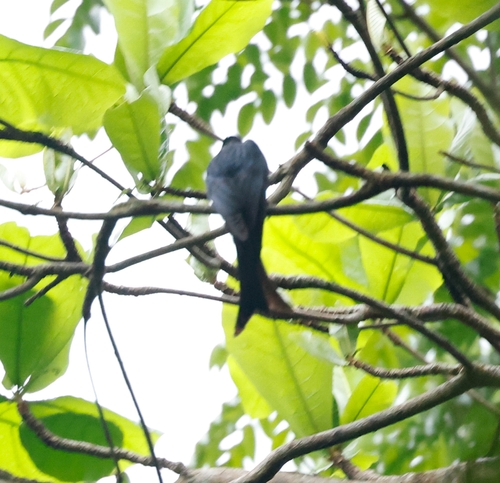 Crow-billed Drongo
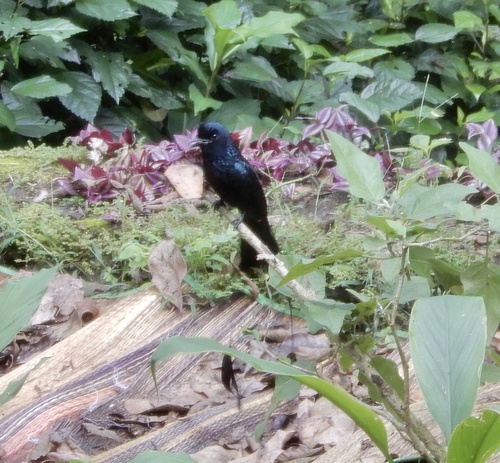 Greater Racket-tailed Drongo
In breve
Il segno di campo più affidabile per separare questi due dronghi è la coda: il Greater Racket-tailed Drongo ha piume della coda esterne drammaticamente allungate che terminano in 'rackets' (punte spatolate), mentre il Crow-billed Drongo ha una coda normal-length, poco biforcuta, senza rackets. Entrambe le specie sono nere lucide e possono apparire simili da lontano, ma la coda unica del Greater Racket-tailed Drongo è inconfondibile negli adulti e nella maggior parte degli immaturi. La forma del becco e la struttura generale aiutano anche: il Crow-billed ha un becco notevolmente più robusto, simile a quello di un corvo. I Greater Racket-tailed Drongos giovanili e in muta possono mancare di rackets completi, rendendo la separazione più complicata; in tal caso, la forma del becco e le sottili differenze nella postura e nel comportamento diventano più importanti.
Consigli di identificazione
- La forma della coda è il segno di campo chiave: il Greater Racket-tailed Drongo (adulto e la maggior parte degli immaturi) ha piume della coda esterne molto lunghe, con fusti nudi che terminano in 'rackets' (punte spatolate). Il Crow-billed Drongo ha una coda normal-length, poco biforcuta, senza rackets. Questo è diagnostico a tutte le età tranne che per i Greater Racket-tailed Drongos giovanili/in muta.
- Il Greater Racket-tailed Drongo giovanile e in muta può mancare di rackets completi: in questi casi, controlla se ha una coda più lunga nel complesso e un aspetto più allungato e snello rispetto al Crow-billed Drongo. Fai attenzione, poiché la confusione è possibile.
- Struttura del becco: il Crow-billed Drongo ha un becco notevolmente robusto, simile a quello di un corvo, più spesso e profondo rispetto al becco più snello del Greater Racket-tailed Drongo. Questo è visibile in buone viste e può aiutare quando i rackets della coda mancano.
- Cresta e penne del collo: alcuni Greater Racket-tailed Drongos (soprattutto adulti e alcune sottospecie) mostrano una cresta prominente e lunghe penne del collo, mentre il Crow-billed Drongo non ha cresta. Tuttavia, alcune forme giovanili o insulari di Greater Racket-tailed Drongo possono mancare di cresta, quindi questo non è sempre affidabile.
- Lucentezza del piumaggio: entrambe le specie sono nere lucide da adulte; non fare affidamento sulla tonalità del colore o sulla lucentezza per la separazione.
- Postura e comportamento: il Greater Racket-tailed Drongo appare spesso più lungo e più allungato, soprattutto quando i rackets della coda sono presenti. Il Crow-billed Drongo è più compatto e 'simile a un corvo' nella struttura.
- Vocalizzazioni: se senti un drongo emettere una vasta gamma di richiami, specialmente imitare altri uccelli o fare fischi complessi e note metalliche, è quasi certamente il Greater Racket-tailed Drongo. Il Crow-billed Drongo è molto meno vocale e non imita.
- Comportamento: il Greater Racket-tailed Drongo è più propenso a posarsi in modo appariscente in aperto e partecipare a stormi di specie miste, a volte rubando cibo da altri uccelli. Il Crow-billed Drongo è meno appariscente e più tipico nel comportamento.
- Habitat: entrambe le specie si trovano in habitat forestali simili; non usare l'habitat da solo per la separazione.
- Dimensioni: il Greater Racket-tailed Drongo è generalmente più grande e più allungato, ma la sovrapposizione delle dimensioni e la postura possono rendere questo poco affidabile sul campo.
- Variazione stagionale: durante la muta, il Greater Racket-tailed Drongo può mancare di rackets completi, aumentando il rischio di confusione. In questi casi, fai affidamento sulla forma del becco, sulla postura e su qualsiasi differenza residua nella lunghezza della coda.
- Età: i Greater Racket-tailed Drongos giovanili possono essere più opachi e mancare di cresta e rackets, ma la coda è ancora spesso più lunga e la struttura più allungata rispetto al Crow-billed Drongo.
- Sesso: nessun dimorfismo sessuale affidabile per la separazione sul campo in entrambe le specie.
- Viste in volo: non sono descritti segni distintivi sulle ali superiori o schemi di volo per nessuna delle specie a qualsiasi età; la forma della coda è ancora il miglior segno in volo.
- Trappole comuni: i Greater Racket-tailed Drongos immaturi o in muta senza rackets sono la principale fonte di confusione. Controlla sempre lo spessore del becco e la struttura generale se la coda non è diagnostica.
Taglia
Il Crow-billed Drongo è un drongo di dimensioni medie con una massa corporea di circa 56g [wikidata]. Il Greater Racket-tailed Drongo è generalmente più grande, soprattutto in alcune sottospecie (ad es., grandis), ma i dati precisi sulla massa non sono forniti qui. Sul campo, il Greater Racket-tailed Drongo appare spesso più grande e più allungato, soprattutto quando i rackets della coda sono presenti, ma la massa corporea non è sempre un separatore affidabile a causa della sovrapposizione e della postura.
Piumaggio
Entrambe le specie sono nere lucide da adulte, il che può causare confusione. Il Crow-billed Drongo è uniformemente nero corvino con una coda poco biforcuta e un becco robusto. Il Greater Racket-tailed Drongo è anch'esso nero, ma è distintivo negli adulti e nella maggior parte degli immaturi per le sue estremamente lunghe piume della coda esterne con fusti nudi e 'rackets' spatolati alle punte. I Greater Racket-tailed Drongos giovanili possono essere più opachi, mancare di cresta e possono temporaneamente mancare dei rackets completi durante la muta, rendendoli più simili al Crow-billed Drongo. Tuttavia, anche in tal caso, la coda è spesso più lunga e la struttura generale più allungata. Lo sviluppo della cresta e delle penne del collo varia a seconda della sottospecie e dell'età, con alcune forme giovanili o insulari che mancano completamente di cresta. Non sono descritti segni specifici per l'età sulle ali superiori o schemi di volo per nessuna delle specie.
Comportamento
Il Greater Racket-tailed Drongo è altamente appariscente, spesso posandosi in aperto e attirando l'attenzione con le sue vocalizzazioni varie e forti, comprese le imitazioni di molti altri uccelli. È anche noto per partecipare a stormi di specie miste e a volte per rubare cibo ad altri uccelli. Il Crow-billed Drongo è meno appariscente nel comportamento, tendendo a essere più tipico dei dronghi nelle sue abitudini e non è noto per lo stesso livello di mimetismo vocale o leadership nel gruppo. Entrambe le specie sono uccelli forestali, ma il Greater Racket-tailed Drongo è particolarmente probabile che venga notato a causa del suo comportamento.
Habitat
Entrambe le specie si trovano in foreste tropicali umide nel sud-est asiatico, a volte sovrapponendosi nel loro areale. Il Greater Racket-tailed Drongo è particolarmente associato ad aree forestali ed è spesso visto in aperto all'interno degli habitat forestali. Anche il Crow-billed Drongo abita foreste simili, ma non è noto per lo stesso grado di appariscenza o posizionamento in aperto. L'habitat da solo non è un separatore affidabile dove gli areali si sovrappongono, ma il Greater Racket-tailed Drongo può essere più visibile all'interno del suo habitat.
Voce
Il Greater Racket-tailed Drongo è famoso per i suoi richiami estremamente vari e forti, comprese le imitazioni perfette di molti altri uccelli, soprattutto in stormi di specie miste. Il suo repertorio include fischi, suoni metallici e nasali, e note complesse, e può imitare i richiami di allerta contestualmente. Il Crow-billed Drongo non è noto per tale mimetismo vocale o varietà; le sue vocalizzazioni sono più tipiche dei dronghi e meno probabili di attirare attenzione. Se senti un drongo che imita altre specie, soprattutto in un gruppo misto, è quasi certamente il Greater Racket-tailed.
Crow-billed Drongo · Greater Racket-tailed Drongo · I miei uccelli difficili