
Crested Serpent-Eagle vs Mountain Hawk-Eagle
Spilornis cheela contro Nisaetus nipalensis
Fai un quiz con Crested Serpent-Eagle e Mountain Hawk-Eagle
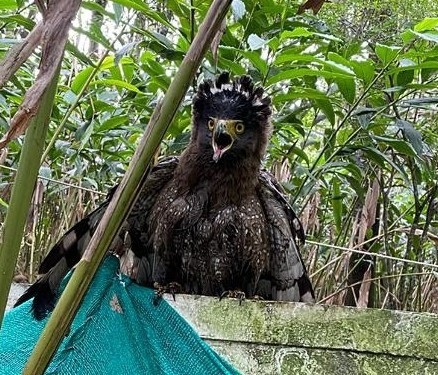 Crested Serpent-Eagle
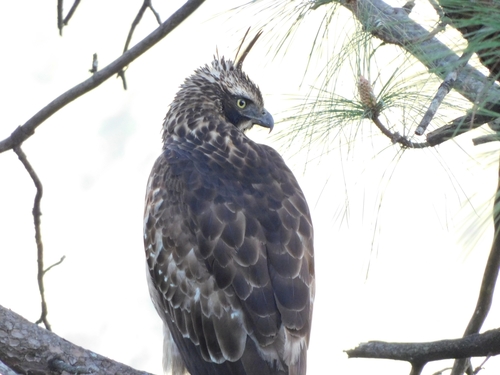 Mountain Hawk-Eagle
In breve
Il segno distintivo più affidabile tra Crested Serpent-Eagle e Mountain Hawk-Eagle è il motivo delle ali inferiori e della coda in volo, specialmente nei giovani: i giovani Crested Serpent-Eagles mostrano barre bianche audaci e larghe su piume da volo nere e sulla coda, mentre i giovani Mountain Hawk-Eagles hanno barre scure più sottili e sbiadite e un sottogola più maculato e color sabbia. Strutturalmente, il Crested Serpent-Eagle è più robusto con una coda più corta e un aspetto dal collo spesso a causa della sua prominente cresta nucale, mentre il Mountain Hawk-Eagle ha ali più lunghe e una coda più lunga con una silhouette più snella e rapace. Gli adulti si distinguono per il ventre maculato dell'Eagle Serpent e le ali a forma di paletta rispetto al ventre barrato ruggine e alla testa prominente e arrugginita dell'Hawk-Eagle. Entrambe le specie possono planare con le ali in una V poco profonda, ma le loro proporzioni e il piumaggio sono distinti con un'attenta osservazione.
Consigli di identificazione
- Juvenile flight pattern: Il giovane Crested Serpent-Eagle mostra barre bianche audaci e larghe su ali inferiori nere e sulla coda; il giovane Mountain Hawk-Eagle ha barre scure più sottili e sbiadite e un sottogola più maculato. Usa questo per tutti gli uccelli immaturi visti in volo.
- Head and crest: Il Crested Serpent-Eagle ha una cresta corta a forma di ventaglio bianco e nero che conferisce un aspetto robusto; la cresta del Mountain Hawk-Eagle è più lunga, per lo più nera con una piccola punta color sabbia o bianca, e la testa è più snella e striata di ruggine negli adulti.
- Facial skin and feet: L'Eagle Serpent mostra una pelle facciale e piedi nudi di un giallo brillante; i piedi dell'Hawk-Eagle sono di un giallo opaco a bianco giallastro, e la pelle facciale è meno prominente.
- Underparts (adults): L'Eagle Serpent ha macchie bianche e marrone-giallastro sul ventre; l'Hawk-Eagle ha un ventre barrato ruggine su bianco, con un collare ruggine e audaci strisce nere sulla gola.
- Tail pattern: La coda dell'Eagle Serpent è nera con barre bianche larghe (tutte le età); la coda dell'Hawk-Eagle è grigio-marrone con bande nere più sottili e più oscure e una punta bianca.
- Wing shape in flight: L'Eagle Serpent ha ali larghe a forma di paletta tenute in una V poco profonda, apparendo corte e arrotondate; le ali dell'Hawk-Eagle sono anch'esse arrotondate ma più lunghe e affusolate alla base posteriore, con una testa più prominente e una coda più lunga.
- Perched jizz: L'Eagle Serpent appare robusto, con collo spesso e coda corta, spesso con la cresta sollevata; l'Hawk-Eagle è più eretto, con coda lunga e snella.
- Juvenile head color: Il giovane Eagle Serpent ha molto bianco sulla testa; la testa del giovane Hawk-Eagle è color sabbia a ruggine con striature marrone scuro.
- Underwing coverts: In volo, l'ala inferiore dell'Eagle Serpent è maculata o barrata; quella dell'Hawk-Eagle è più maculata e ruggine (adulto) o color sabbia (giovane).
- Eye color: L'Hawk-Eagle adulto ha occhi dorati o giallo-arancio; il colore degli occhi dell'Eagle Serpent non è specificato ma è meno evidente nelle note.
- Habitat context: Le foreste dense di pianura o vicino all'acqua favoriscono l'Eagle Serpent; le colline forestali ripide e ad alta quota favoriscono l'Hawk-Eagle.
- Behavior: L'Eagle Serpent è spesso posato e chiama frequentemente; l'Hawk-Eagle è più probabile da vedere mentre caccia attivamente o plana in alto.
- Vocalization: Se senti un ripetuto kluee-wip-wip, è l'Eagle Serpent.
- Sex/season: Non sono notate forti differenze dimorfiche sessuali o differenze di piumaggio stagionali per nessuna delle due specie; l'età è più importante per la separazione.
- When in doubt: Concentrati sulla combinazione di barre delle ali inferiori/coda, struttura generale e habitat. Se l'uccello è robusto con barre audaci bianche e nere, è quasi certamente un Crested Serpent-Eagle; se è con coda lunga, barrato ruggine e più simile a un'aquila, è un Mountain Hawk-Eagle.
Taglia
Il Crested Serpent-Eagle è altamente variabile in dimensioni in tutto il suo areale, ma generalmente è un rapace di dimensioni medie-grandi (lunghezza 41–75 cm, apertura alare 89–169 cm, massa 420–2300 g a seconda della sottospecie) [wikipedia]. Il Mountain Hawk-Eagle è costantemente grande e potente, con una coda lunga e ali lunghe, di solito più grande e più allungato rispetto alla maggior parte delle razze di Crested Serpent-Eagle (lunghezza non specificata qui, ma costantemente descritta come più grande e con ali più lunghe) [wikipedia]. Sul campo, l'Hawk-Eagle appare più slanciato e più simile a un'aquila, mentre l'Eagle Serpent è compatto e robusto.
Piumaggio
Gli uccelli giovani/immaturi sono più facilmente separabili in volo:
-
Giovane Crested Serpent-Eagle: Mostra molto bianco sulla testa, e le ali inferiori e la coda sono audacemente barrate di nero e bianco. Le parti inferiori sono maculate di bianco e marrone-giallastro. In volo, le ali larghe a forma di paletta e la coda corta con barre bianche larghe sono distintive.
-
Giovane Mountain Hawk-Eagle: Sopra, marrone scuro con bordi delle piume chiari color crema/bianco per un effetto squamato, e macchie di colore sabbia a metà ala. Sotto, semplice color sabbia a ruggine sulle parti inferiori e sulle foderature delle ali, con barre scure sottili e sbiadite su piume da volo grigio-bianco e una coda sottilmente bandita con una punta bianca. L'ala inferiore è più maculata e manca delle audaci barre bianche e nere dell'Eagle Serpent. La cresta è nera con una piccola punta bianca.
-
Adulti: Il Crested Serpent-Eagle è marrone scuro sopra, con una breve cresta a forma di ventaglio bianco e nero, pelle facciale nuda gialla e parti inferiori maculate. La coda e le piume da volo sono nere con barre bianche larghe. Gli adulti del Mountain Hawk-Eagle sono marrone scuro sopra con testa striata di ruggine e una cresta per lo più nera con punta color sabbia; le parti inferiori sono barrate ruggine su bianco, con un effetto di collare ruggine e audaci strisce nere sulla gola. La coda è grigio-marrone con bande nere più oscure e una punta bianca.
-
In tutte le età: Le barre delle ali inferiori e della coda dell'Eagle Serpent sono più larghe e più contrastanti; quelle dell'Hawk-Eagle sono più fini e meno distinte, con toni più sabbiosi o ruggine sulle ali inferiori e sul corpo.
Comportamento
Il Crested Serpent-Eagle trascorre la maggior parte della giornata posato in folta vegetazione, spesso chiamando da un posatoio prominente e risalendo sulle termiche a tarda mattinata. Caccia principalmente scandagliando da un posatoio o planando sopra foreste e praterie adiacenti, con una preferenza per i rettili. Il Mountain Hawk-Eagle è più attivo e agile, noto per il volo veloce e manovrabile con battiti d'ali potenti e superficiali e planate. È più probabile da vedere mentre caccia attivamente o plana in alto sopra colline e montagne boscose, ed è descritto come più simile a un'aquila nel suo stile di volo. Entrambi possono planare con le ali in una V poco profonda, ma l'Hawk-Eagle è più dinamico e meno sedentario rispetto all'Eagle Serpent, che spesso è posato.
Habitat
Entrambe le specie si trovano in habitat forestali in tutta l'Asia, ma il Crested Serpent-Eagle è più strettamente legato a foreste di pianura e di piede, spesso vicino a praterie umide o vegetazione folta su pianure e colline basse. Il Mountain Hawk-Eagle è più rigorosamente un uccello di foreste montane e regioni montuose, spesso a quote più elevate. Se visto in giungla densa di pianura o vicino all'acqua, è più probabile che sia l'Eagle Serpent; in colline forestali ripide o montagne più alte, è favorito l'Hawk-Eagle.
Voce
Il Crested Serpent-Eagle emette un distintivo richiamo ripetuto kluee-wip-wip, con la prima nota alta e crescente, spesso udita da posatoi o mentre plana. Le vocalizzazioni del Mountain Hawk-Eagle non sono descritte nelle note fornite, quindi la voce è solo diagnostica per l'Eagle Serpent se questo richiamo viene udito.
Crested Serpent-Eagle · Mountain Hawk-Eagle · I miei uccelli difficili