

Crested Myna vs Fanello
Acridotheres cristatellus contro Linaria cannabina
Fai un quiz con Crested Myna e Fanello
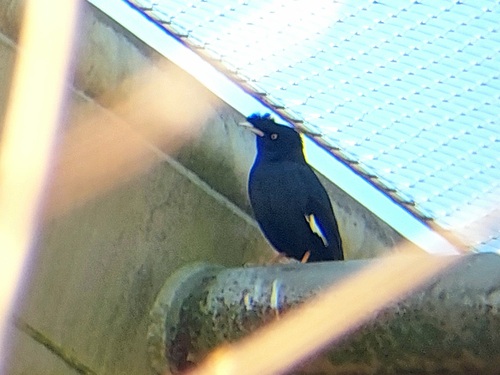 Crested Myna
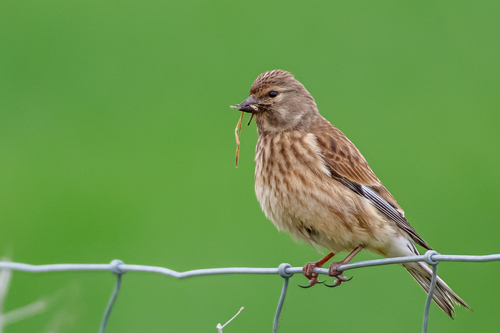 Fanello
In breve
Il segno distintivo più affidabile per separare il Crested Myna dal Fanello è la prominente cresta nera sulla fronte del myna, che non è mai presente nel fanello di alcuna età o sesso. In volo, il Crested Myna mostra audaci macchie bianche sulle ali e piume della coda con punte bianche, mentre il Fanello non presenta alcun bianco nelle ali o nella coda. I myna juvenili possono avere una cresta meno sviluppata e occhi blu-grigi, ma mostrano comunque un corpo scuro e lucido e bianco nelle ali quando volano. I fanelli sono fringillidi snelli, con dorso marrone e una lunga coda e, nei maschi in fase di riproduzione, una corona e un petto rossi—caratteristiche mai viste nel myna. Anche a distanza, il piumaggio lucido e nero del myna e la sua corporatura robusta contrastano nettamente con l'aspetto striato e dai toni terrosi del fanello.
Consigli di identificazione
- Crested forehead tuft: Solo il Crested Myna ha una prominente cresta nera sulla fronte, visibile a riposo e nella maggior parte delle posture; il fanello non mostra mai una cresta a nessuna età.
- White wing patches in flight: Il Crested Myna (tutte le età) mostra audaci macchie bianche sulle ali e piume della coda con punte bianche (eccetto la coppia centrale) quando vola; il Fanello manca sempre di bianco nelle ali o nella coda.
- Glossy black vs. brown plumage: Il Crested Myna è nero lucido con una sfumatura verde; il Fanello è marrone sopra e bianco sotto, con parti inferiori striate nelle femmine e nei juvenili.
- Bill color and shape: Il myna ha un becco giallo pallido, snello e affilato; il fanello ha un becco conico grigio da fringillide. Questo è particolarmente utile a distanza ravvicinata.
- Eye color (age-specific): I myna adulti hanno occhi arancioni; gli immaturi hanno occhi blu-grigi. Gli occhi del fanello sono scuri e non distintivi.
- Red on head/breast (male linnet): Solo i maschi adulti di fanello in piumaggio di riproduzione mostrano rosso sulla corona e sul petto; i myna non mostrano mai rosso.
- Size and build: Il Crested Myna è molto più grande e chunkier, con una corporatura tozza simile a quella di uno storno; il fanello è snello, delicato e delle dimensioni di un passero.
- Tail shape: Il fanello ha una coda lunga e stretta; la coda del myna è più corta e più larga, con punte bianche (eccetto le piume centrali).
- Perching posture: I myna spesso si posano eretti e in modo evidente; i fanelli tendono a posarsi più in basso o su steli sottili, con una postura più orizzontale.
- Habitat context: I myna sono comuni in aree urbane/agricole; i fanelli preferiscono campagne aperte, siepi e campi infestati.
- Juvenile confusion: I giovani myna possono apparire più marroni e mancare di una cresta completa, ma mostrano comunque bianco nelle ali e nella coda in volo; i fanelli juvenili sono striati e non mostrano mai macchie bianche.
- Group behavior: I myna possono formare gruppi rumorosi e compatti; i fanelli formano stormi sciolti e silenziosi, spesso nutrendosi a terra o in vegetazione bassa.
- Bill size relative to head: Il becco del myna appare più lungo e più appuntito; quello del fanello è corto e spesso.
- Leg color: Le gambe del myna sono di un giallo scuro opaco; quelle del fanello non sono distintive.
- Flight style: I myna volano con battiti d'ali forti e diretti, spesso lampeggiando bianco; i fanelli hanno un volo più ondulato e rimbalzante e non mostrano mai bianco nelle ali.
Taglia
Il Crested Myna è sostanzialmente più grande e robusto del Fanello. Mentre il fanello pesa in media circa 19 grammi, il myna è molto più pesante e ha una struttura più robusta, simile a quella di uno storno. Il becco del myna è giallo pallido e snello, mentre quello del fanello è grigio e più simile a un fringillide. Sul campo, il myna apparirà delle dimensioni di un corvo rispetto al fanello delle dimensioni di un passero, rendendo la dimensione un utile indizio di supporto quando entrambi sono visti insieme o con specie familiari.
Piumaggio
- Juvenile/Immature: I giovani Crested Mynas sono marroni ma acquisiscono rapidamente il corpo scuro e lucido e le macchie bianche sulle ali; la loro cresta è meno sviluppata e gli occhi sono blu-grigi. I fanelli juvenili sono marroni striati sopra e sotto, senza cresta, senza lucentezza e senza bianco nelle ali o nella coda.
- Adult (all seasons): Il Crested Myna è complessivamente nero con una sfumatura verde, una cresta prominente e audaci macchie bianche sulle ali e sulla coda (soprattutto evidenti in volo). Il Fanello è marrone sopra, bianco sotto, con una lunga coda; i maschi in estate hanno una corona e un petto rossi, ma le femmine e gli immaturi sono striati di buff e mancano di qualsiasi macchia rossa o bianca.
- Flight views: Il Crested Myna lampeggia bianco nelle ali e nella coda; il Fanello mostra ali e coda marroni semplici senza bianco.
Comportamento
I Crested Mynas sono spesso visti in ambienti urbani o agricoli, cercando cibo a terra o posandosi in modo evidente su fili, tetti o alberi; possono riunirsi in gruppi rumorosi. Il loro volo è diretto e forte, spesso con esplosioni di bianco che lampeggiano dalle ali. I Fanelli sono più probabilmente trovati in campagne aperte, siepi o campi infestati, muovendosi in stormi sciolti e ondulati. I fanelli si posano più delicatamente, spesso su steli sottili o fili, e si nutrono principalmente di semi.
Habitat
I Crested Mynas preferiscono spazi aperti vicino all'abitazione umana—città, paesi, fattorie—utilizzando strutture artificiali per nidificare e riposare. Sono raramente trovati lontano da edifici o aree disturbate. I Fanelli preferiscono campi aperti e infestati, siepi e campagne cespugliose, evitando aree urbane dense. Se vedi un uccello in un parco cittadino o su un edificio, è molto più probabile che sia un myna; in ambienti rurali e cespugliosi, il fanello è più probabile.