

Crested Malimbe vs Red-headed Weaver
Malimbus malimbicus contro Anaplectes rubriceps
Fai un quiz con Crested Malimbe e Red-headed Weaver
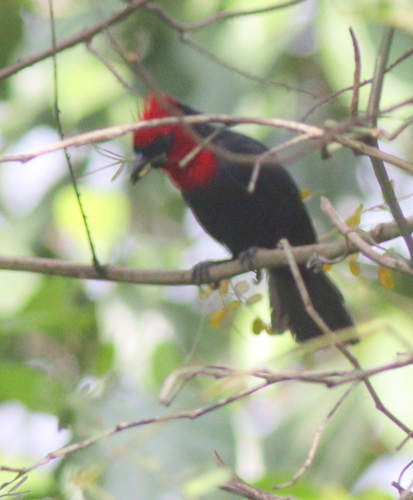 Crested Malimbe
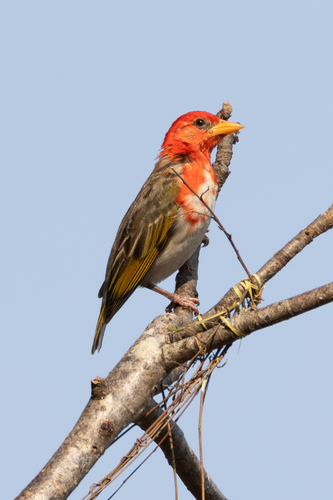 Red-headed Weaver
In breve
Il segno di campo più affidabile per separare Crested Malimbe da Red-headed Weaver è la colorazione della testa e delle parti inferiori: Crested Malimbe mostra un sorprendente motivo nero e rosso con una cresta prominente, mentre i maschi di Red-headed Weaver (soprattutto le razze settentrionali) hanno una testa rossa brillante e un ventre bianco, con le femmine che mostrano teste marroni o gialle a seconda della regione. Le piume giovanili e immature non sono descritte in dettaglio per nessuna delle due specie, quindi concentrati sul colore della testa e delle parti inferiori degli adulti, così come sulla forma del becco e sul comportamento di gruppo. Entrambe le specie sono tessitori, ma la loro struttura e le abitudini sociali differiscono. È possibile una sovrapposizione degli habitat in alcune parti dell'Africa, ma Red-headed Weaver è più diffuso in savane e boschi più secchi, mentre Crested Malimbe è uno specialista della foresta pluviale.
Consigli di identificazione
- Colore della testa e delle parti inferiori: Il Crested Malimbe adulto mostra un audace motivo nero e rosso sulla testa con una cresta, mentre i maschi di Red-headed Weaver hanno una testa rossa brillante e un ventre bianco (razze settentrionali), con le femmine che mostrano teste marroni o gialle. Questo è il segno più affidabile negli adulti.
- Cresta: Solo il Crested Malimbe ha una cresta evidente sulla testa. La testa del Red-headed Weaver è arrotondata senza spigoli.
- Parti inferiori: Le parti inferiori del Crested Malimbe sono ampiamente rosse o nere, a seconda del sesso/età, mentre il Red-headed Weaver ha sempre parti inferiori chiare (bianche o giallastre).
- Forma del becco: Il Red-headed Weaver ha un becco più lungo e appuntito rispetto al Crested Malimbe, che ha un becco tipico dei malimbe (più corto e robusto).
- Confusione femminile/immatura: Le femmine di Red-headed Weaver nel nord hanno teste marroni, che possono apparire opache e potrebbero essere confuse con un malimbe non in riproduzione, ma le parti inferiori chiare e l'assenza di cresta le separano. Le femmine meridionali di Red-headed Weaver hanno teste gialle e accenti gialli sulle ali, non presenti nel Crested Malimbe.
- Schema delle ali e del volo: Non sono descritti segni distintivi di ali o volo giovanili o immaturi per nessuna delle due specie, quindi non fare affidamento sul motivo delle ali superiori per la separazione.
- Comportamento di gruppo e sociale: Il Red-headed Weaver si trova spesso in piccoli gruppi con un maschio e diverse femmine, a volte foraggiando in modo acrobatico. Il Crested Malimbe può essere visto in piccoli gruppi ma è meno probabile che mostri la stessa struttura sociale.
- Struttura del nido: Entrambe le specie possono costruire nidi sospesi con tunnel d'ingresso, ma questo è più tipico dei malimbe. Se vedi un nido di rami con un lungo tunnel, controlla attentamente il piumaggio.
- Comportamento di foraggiamento: Il Red-headed Weaver è più probabile che venga visto appeso a testa in giù, aprendo foglie morte o nutrendosi di nettare e insetti in situazioni esposte. Il Crested Malimbe è più riservato e tende a rimanere nella folta vegetazione.
- Habitat: Nella densa foresta pluviale, ci si aspetta di trovare il Crested Malimbe; in boschi aperti, savane o vicino ai villaggi, il Red-headed Weaver è molto più probabile.
- Distribuzione geografica: Se ti trovi nell'Africa orientale o meridionale al di fuori della foresta pluviale, il Red-headed Weaver è la scelta predefinita. Il Crested Malimbe è limitato alla fascia della foresta pluviale tropicale africana.
- Voce: Non sono descritte differenze vocali diagnostiche nelle fonti; non fare affidamento sulla voce per la separazione.
- Aspetto: Il Red-headed Weaver appare spesso più allungato e agile, specialmente quando foraggia, a causa del suo becco più lungo e del comportamento attivo. Il Crested Malimbe appare più robusto e deliberato.
- Trappole: Fai attenzione con le femmine e i giovani Red-headed Weaver, soprattutto le femmine marroni settentrionali, che possono apparire opache e potrebbero essere confuse con un malimbe a colpo d'occhio. Controlla sempre la cresta e il colore delle parti inferiori.
- Variazione stagionale: Non sono descritte forti variazioni nel piumaggio stagionale per nessuna delle due specie, ma la variazione regionale nelle femmine di Red-headed Weaver (teste marroni vs gialle) può causare confusione. Controlla la tua posizione e cerca accenti gialli nel sud.
Taglia
Entrambe le specie sono tessitori di dimensioni medie, ma il confronto diretto delle dimensioni non è dettagliato nelle fonti. La struttura potrebbe essere più utile: il Red-headed Weaver ha un becco moderatamente lungo e appuntito e artigli corti e robusti, conferendogli un aspetto leggermente più allungato e agile, specialmente quando foraggia. Le proporzioni del Crested Malimbe sono tipiche per il suo genere, ma non sono fornite differenze specifiche in lunghezza o massa.
Piumaggio
Non è fornito un modello di ali giovanili o immature dettagliato per nessuna delle due specie, quindi concentrati sul piumaggio adulto. Il Crested Malimbe adulto ha un piumaggio audace nero e rosso con una cresta distintiva sulla testa, e il rosso è tipicamente sulle parti inferiori e/o sul viso, a seconda del sesso e dell'età. I maschi di Red-headed Weaver (razze settentrionali) hanno una testa rossa brillante, un ventre bianco e ali marroni, mentre le femmine variano: le femmine settentrionali hanno una testa marrone, le femmine meridionali hanno teste gialle e accenti gialli sulle ali. Le parti inferiori del Red-headed Weaver sono sempre chiare (bianche o giallastre), in contrasto con il rosso e il nero più estesi del Crested Malimbe. Anche il colore e la forma del becco sono utili: il becco del Red-headed Weaver è lungo e appuntito, mentre quello del Crested Malimbe è più tipico per un malimbe. Non sono descritti segni specifici di ali superiori o di volo per nessuna delle due specie.
Comportamento
Il Red-headed Weaver è spesso visto foraggiare in modo acrobatico, appeso a testa in giù per sondare la corteccia e le foglie morte alla ricerca di insetti, e può essere trovato da solo o in piccoli gruppi con un singolo maschio e diverse femmine. Il suo nido è fatto di rami secchi e spesso sospeso da un albero, a volte con un lungo tunnel d'ingresso (una caratteristica più tipica dei malimbe, che può causare confusione). Il comportamento del Crested Malimbe è meno descritto, ma come malimbe della foresta pluviale, è probabile che foraggi nella chioma e possa essere visto in piccoli gruppi. Se vedi l'uccello mentre apre attivamente le foglie, appeso a testa in giù o nutrendosi di nettare, è più probabile che si tratti di un Red-headed Weaver.
Habitat
Il Crested Malimbe è uno specialista delle foreste pluviali tropicali africane, raramente trovato al di fuori di foreste dense e umide. Il Red-headed Weaver è molto più diffuso, trovato in tutto l'Afrotropico ma particolarmente comune nell'Africa orientale e meridionale, in boschi, savane e persino intorno agli insediamenti umani. Se ti trovi in una densa foresta pluviale, è molto più probabile che tu veda un Crested Malimbe; in boschi aperti o savane, il Red-headed Weaver è la scelta predefinita.
Crested Malimbe · Red-headed Weaver · I miei uccelli difficili