
Crane Hawk vs Great Black Hawk
Geranospiza caerulescens contro Buteogallus urubitinga
Fai un quiz con Crane Hawk e Great Black Hawk
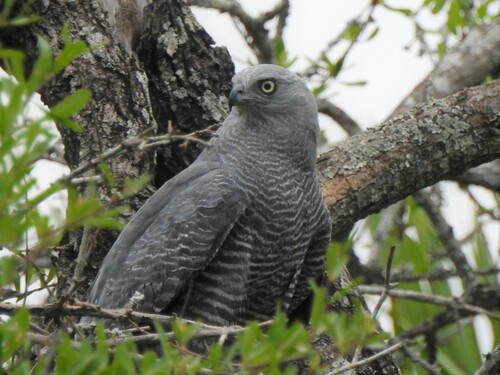 Crane Hawk
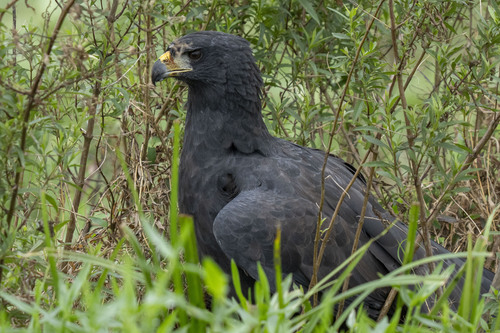 Great Black Hawk
In breve
Il segno di campo più affidabile tra Crane Hawk e Great Black Hawk è il modello della coda: il Great Black Hawk adulto mostra una coda bianca sorprendente con una larga punta nera, mentre il Crane Hawk ha una coda molto meno contrastante. I Great Black Hawk immaturi sono anche distintivi, con code barrate e parti inferiori macchiate e striate, a differenza del Crane Hawk più uniforme. Strutturalmente, il Great Black Hawk è molto più grande e massiccio, con ali più larghe e un becco più pesante. Se visti posati o in volo, cerca le dimensioni massicce e il modello audace della coda del Great Black Hawk rispetto all'aspetto più snello e agile e alla coda semplice del Crane Hawk.
Consigli di identificazione
- Il modello della coda è diagnostico: Il Great Black Hawk adulto ha una coda corta con una base bianca audace e una larga punta nera, visibile sia posato che in volo. La coda del Crane Hawk è molto meno contrastante, priva di questo modello audace. Questo segno funziona per gli adulti ed è visibile a distanza.
- Piumaggio immaturo/giovanile: I giovani Great Black Hawk sono marroni sopra con pesanti macchie e striature, parti inferiori color crema con macchie scure e code con molteplici barre nere e grigie. Gli immaturi del Crane Hawk sono molto più uniformi e privi delle forti barre e macchie—quindi qualsiasi uccello con una coda barrata e parti inferiori macchiate è un Great Black Hawk.
- Dimensione e massa: Il Great Black Hawk è molto più grande e pesante (oltre 1 kg) rispetto al Crane Hawk snello e leggero (circa 300 g). Sul campo, il Great Black Hawk appare massiccio e con ali larghe, mentre il Crane Hawk è snello e agile. Questo è particolarmente chiaro quando entrambi sono visti in contesti simili.
- Struttura delle ali e del corpo: Il Great Black Hawk ha ali molto larghe e un becco pesante, conferendogli un aspetto massiccio e imponente. Il Crane Hawk è più allungato, con un becco più snello e una struttura più leggera.
- Zampe e postura di foraggiamento: Se osservato mentre cerca cibo, il Crane Hawk può mostrare le sue uniche zampe a doppio giunto, raggiungendo cavità negli alberi o epifite in posture acrobatiche. Il Great Black Hawk non mostra questo comportamento.
- Uniformità del piumaggio: Il Crane Hawk adulto è più uniforme nel colore, generalmente grigiastro o scuro, senza il forte contrasto della coda o le macchie del corpo del Great Black Hawk.
- Silhouette posata: Il Great Black Hawk appare tozzo e con una coda corta quando è posato, mentre il Crane Hawk è più snello e con zampe più lunghe.
- Volo: In volo, il Great Black Hawk appare con ali larghe e pesanti, con una coda corta e con un modello audace. Il Crane Hawk è più leggero e agile, con una coda meno contrastante.
- Voce: Se senti un forte e acuto 'ooo-wheeeeee,' probabilmente stai sentendo il Great Black Hawk. La voce del Crane Hawk non è descritta nelle fonti.
- Differenze sessuali: Entrambe le specie mostrano poco dimorfismo sessuale nel piumaggio, quindi non fare affidamento sul sesso per l'identificazione.
- Variazione stagionale: La principale differenza stagionale è nel piumaggio immaturo del Great Black Hawk, che è pesantemente macchiato e barrato. Il Crane Hawk non mostra cambiamenti drammatici legati all'età.
- Contesto dell'habitat: Anche se non diagnostico, nota che il Crane Hawk può essere visto cercando cibo nelle chiome degli alberi, a volte tra le epifite, usando le sue zampe uniche. Il Great Black Hawk è più probabile che venga visto planare o posato in aree aperte.
- Colore del becco: Il Great Black Hawk ha un becco nero con cere e zampe gialle, che possono essere visibili a distanza ravvicinata. Il colore del becco è meno distintivo nel Crane Hawk ma non è un segno di campo primario.
- Trappole: Fai attenzione alle viste distanti dove è difficile giudicare le dimensioni—fai affidamento sul modello della coda e sulle macchie del corpo per gli immaturi, e sulla massa complessiva e sul modello della coda per gli adulti.
- Quando i segni falliscono: In scarsa illuminazione o viste distanti, concentrati sull'audacia del modello della coda e sulle dimensioni/massa complessive per avere la migliore possibilità di un'identificazione corretta.
Taglia
Il Great Black Hawk è drammaticamente più grande e pesante del Crane Hawk. Il Great Black Hawk adulto raggiunge i 56–64 cm di lunghezza e pesa circa 1,1 kg, mentre il Crane Hawk è molto più leggero a circa 303,5 g [wikidata]. Sul campo, il Great Black Hawk appare molto massiccio con ali larghe e una coda corta e spessa, mentre il Crane Hawk è visibilmente più snello e leggero, con un aspetto più allungato. Questa differenza di dimensioni è spesso ovvia anche a distanza, specialmente quando entrambi sono visti nella stessa area.
Piumaggio
I giovani e immaturi Great Black Hawk sono di un marrone scuro sopra con pesanti macchie e striature, e le loro parti inferiori sono color crema con macchie scure. Le loro code mostrano molteplici barre nere e grigie, che sono una caratteristica chiave per separarli dal Crane Hawk di qualsiasi età. I Great Black Hawk adulti sono completamente neri con una coda corta che è bianca con una larga punta nera—molto audace in volo o quando posati. Al contrario, il Crane Hawk è più uniforme grigiastro o scuro, privo del modello audace della coda. La sua coda non mostra il forte contrasto bianco e nero del Great Black Hawk. I sessi sono simili in entrambe le specie, quindi l'età e il modello della coda sono i segni di piumaggio più utili.
Comportamento
Il Crane Hawk è unico per il suo comportamento di foraggiamento, spesso usando le sue zampe a doppio giunto per raggiungere cavità negli alberi per la preda—un comportamento non osservato nel Great Black Hawk. Il Crane Hawk può essere visto mentre esplora attivamente rami o epifite, a volte appeso o allungato in posture insolite. Il Great Black Hawk, d'altra parte, è più probabile che venga visto planare o posato in modo evidente, cercando prede, e non mostra lo stesso foraggiamento acrobatico. Entrambi possono posarsi in alto, ma lo stile di foraggiamento è un forte indizio comportamentale.
Voce
Il Great Black Hawk ha un richiamo distintivo descritto come 'ooo-wheeeeee.' Non sono fornite informazioni sulla vocalizzazione per il Crane Hawk, quindi la voce è utile solo per confermare il Great Black Hawk se udita.